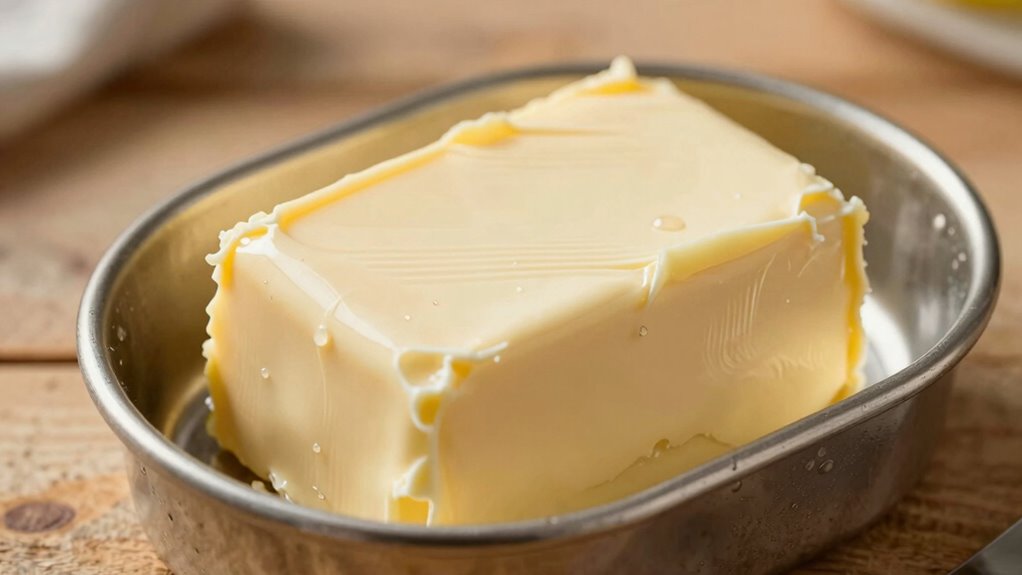

Washing butter is a crucial step that can substantially extend its shelf life by removing impurities and excess moisture that promote spoilage. Proper washing clears out residual milk solids, dirt, and water, which can lead to bacterial growth and mold. By using the right techniques and hygiene practices, you can improve butter’s texture and flavor while slowing down deterioration. Keep exploring to discover detailed methods for effective washing and how it impacts your butter’s freshness and longevity.
Key Takeaways
- Proper washing removes residual milk solids and moisture that promote microbial growth, extending butter’s shelf life.
- Effective rinsing enhances butter’s texture and flavor by eliminating impurities that cause spoilage and rancidity.
- Removing surface contaminants during washing prevents mold development and maintains overall product quality.
- Good hygiene practices during washing and storage reduce microbial contamination, prolonging freshness.
- Proper water temperature and drying techniques ensure moisture control, critical for preserving butter’s shelf life.

Qukaka 6 PCS Salad Dressing Container to Go,Handy Leakproof Stainless Steel Meal Prep Containers Reusable,Sauce Containers for Lunch Box, Picnics, Travel, Office and Kitchen Storage-1.6oz+2.7oz
【LEAKPROOF & PORTABLE】: Our salad dressing container capacity measured 2.7 Oz, meeting the need for greater sauce capacity….
As an affiliate, we earn on qualifying purchases.
As an affiliate, we earn on qualifying purchases.
Why Is Washing Butter Important for Shelf Life?

Washing butter is a crucial step because it helps remove residual impurities, such as milk solids and moisture, that can cause spoilage. When you wash butter properly, you improve its butter consistency, making it smoother and less likely to develop off-flavors. Different washing methods, like rinsing with cold water or using a gentle agitation, ensure that unwanted residues are eliminated without affecting the butter’s texture. If impurities remain, they create a breeding ground for bacteria and mold, shortening shelf life. By thoroughly washing, you reduce moisture content and remove unwanted particles, keeping your butter fresher longer. This process is essential for maintaining quality and preventing spoilage, so paying close attention to your washing method makes a significant difference. Proper cleaning techniques are vital for ensuring that all residual contaminants are effectively removed during the washing process. Incorporating nanotechnology innovations can further enhance the efficiency and safety of the cleaning process in food preservation, especially through advanced filtration methods. Implementing these technologies can significantly improve food safety by reducing contamination risks.

General Tools MMD4E Digital Moisture Meter, Water Leak Detector, Moisture Tester, Pin Type, Backlit LCD Display With Audible and Visual High-Medium-Low Moisture Content Alerts, Grays
HUMIDITY SENSOR: Our handy meter tool can quickly determine what level of remediation is needed to keep your…
As an affiliate, we earn on qualifying purchases.
As an affiliate, we earn on qualifying purchases.
How Do Residual Moisture and Impurities Spoil Butter?
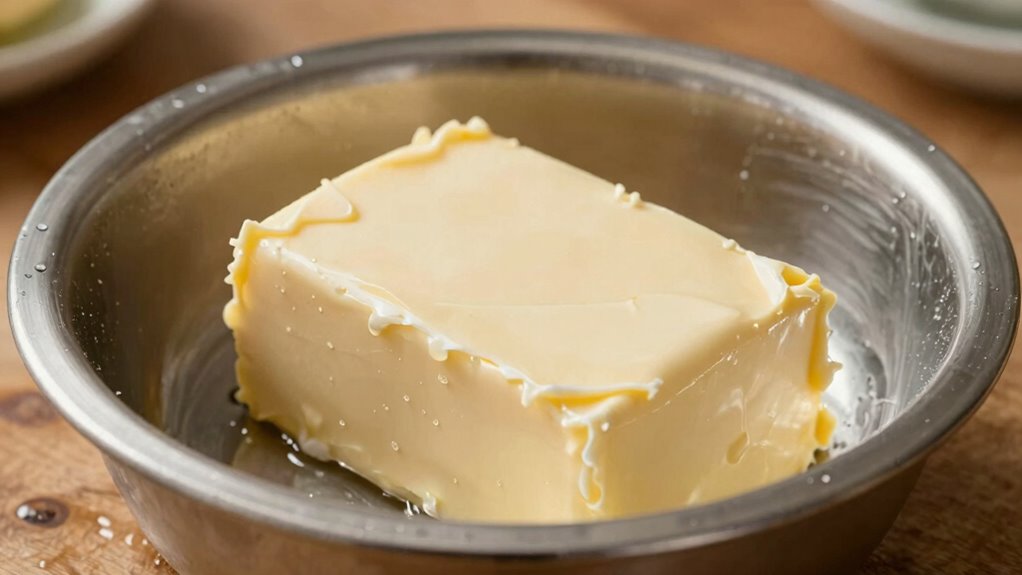
Residual moisture and impurities in butter create ideal conditions for bacteria and mold to grow, which can quickly lead to spoilage. When moisture remains, it fosters microbial activity, shortening shelf life. Impurities like dirt, leftover milk solids, or residual proteins can serve as nutrients for spoilage organisms. To understand this better, consider the following table:
| Residual Moisture | Impurities | Spoilage Risk |
|---|---|---|
| Promotes bacteria | Feed microbes | Accelerates spoilage |
| Causes mold growth | Harbor contaminants | Reduces butter quality |
| Diminishes shelf life | Increases rancidity | Shortens usability |
Effective impurities removal minimizes these risks, ensuring butter stays fresh longer. Keeping moisture levels low and eliminating impurities prevents microbial growth, preserving taste and safety. Proper storage techniques and hygienic processing are essential for maintaining butter quality over time. Additionally, implementing proper drying techniques can significantly reduce residual moisture, preventing microbial proliferation, extending shelf life and maintaining product integrity. Regularly monitoring moisture levels with advanced detection methods can help identify potential spoilage early, safeguarding product quality. Employing these preservation strategies is crucial for extending shelf life and maintaining butter’s overall freshness.
SURDOCA Silicone Pastry Basting Brush – 2Pcs 10 + 8 in Heat Resistant Brush for Baking Cooking Food, BPA Free Kitchen Brush for Sauce Butter Oil, Stainless Steel Core Design for Barbecue BBQ Grilling
100% BPA FREE & FOOD GRADE SILCIONE : This silicone basting brush made of 100% BPA FREE food…
As an affiliate, we earn on qualifying purchases.
As an affiliate, we earn on qualifying purchases.
How to Properly Wash Butter to Extend Its Freshness

To keep butter fresh for longer, proper washing techniques are key to removing remaining moisture and impurities that can promote spoilage. Start by rinsing the butter gently with cold, clean water to eliminate surface contaminants and reduce butter contamination risks. Pat the butter dry with a clean towel, ensuring you remove excess moisture without pressing too hard, which could embed impurities. Pay attention to your storage environment; a clean, airtight container helps prevent further contamination and exposure to humidity. Avoid reintroducing moisture or dirt during handling. Properly washing butter reduces the chances of mold growth and bacterial growth, extending its shelf life. Incorporating sanitation practices into your routine helps maintain a hygienic environment, further prolonging freshness. Using proper storage techniques, such as wrapping butter in parchment paper or foil, also plays a crucial role in maintaining its quality. Additionally, temperature control during storage is essential to slow down spoilage processes and keep butter fresher longer. Maintaining a consistent storage temperature minimizes the risk of temperature fluctuations that can accelerate spoilage. Implementing regular inspection of stored butter can help identify early signs of spoilage before it worsens. Consistent, careful washing combined with a controlled storage environment keeps your butter fresher, longer.

Butter Dish with Lid for Countertop and Refrigerator Door Shelf, Airtight Butter Keeper Container, Locking Butter Holder for East/West Coast Butter, BPA-free, Microwave/Dishwasher Safe
The Home of American 1/4 LB Butter: 8.03''/20.39cm(L) × 3.31''/8.4cm(W) × 2.64''/6.7cm(H), specially designed for 1 stick butter…
As an affiliate, we earn on qualifying purchases.
As an affiliate, we earn on qualifying purchases.
Tools and Techniques for Washing Butter Effectively
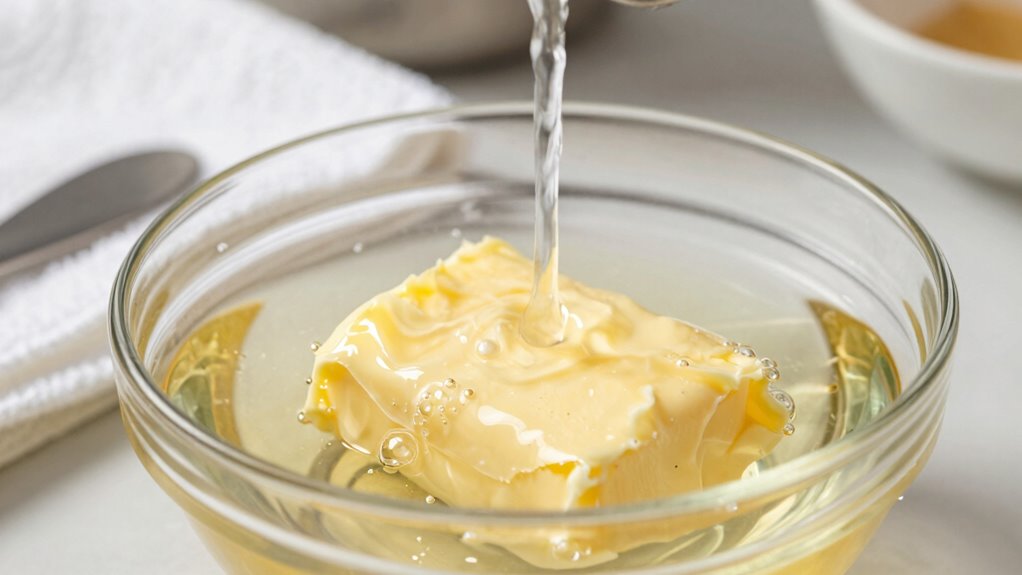
To wash butter effectively, you need the right tools that are both durable and easy to clean. Applying proper techniques guarantees you remove impurities without compromising quality. Maintaining high hygiene standards throughout the process keeps your butter fresh and safe to use. Ensuring your utensils are food-safe materials is essential for preventing contamination during washing. Additionally, selecting appropriate cleaning methods helps maintain the butter’s quality and extends its shelf life. Using tools made from non-reactive materials prevents chemical reactions that could affect the butter’s flavor or safety. Incorporating hygienic practices from water-related activities, such as thorough rinsing, can further improve the washing process. Furthermore, understanding the science of preservation can help optimize your methods for longer-lasting butter.
Selecting Quality Tools
Choosing the right tools is essential for washing butter effectively, as quality equipment guarantees thorough removal of impurities and improves the final product. Start with sharp, quality knives to cut and handle butter cleanly, minimizing contamination. Using dull or low-quality knives can tear the butter or leave residues that hinder washing. Additionally, invest in clean cloths to rinse and drain the butter without introducing dirt or bacteria. Ensure these cloths are free of lint and thoroughly sanitized before use. Proper tools help you control the washing process precisely, making it easier to remove excess water and impurities. Regularly inspecting your equipment ensures that it remains in optimal condition, preventing contamination during the process. High-quality knives and clean cloths are essential for an efficient, hygienic washing process. Incorporating proper handling techniques ensures you maintain the butter’s integrity while optimizing cleanliness and shelf stability. Paying attention to food safety standards further guarantees the longevity and quality of your butter.
Proper Washing Techniques
Using the right tools sets the foundation for effective butter washing, but applying proper techniques is what guarantees thorough cleaning. Start by gently rinsing the butter with cold water, avoiding excessive agitation that can damage its structure. Use your fingers or a soft brush to carefully remove surface impurities without disturbing the butter’s integrity. Maintain a steady water flow to ensure contaminants are washed away without reintroducing dirt. Proper washing preserves the butter’s flavor by preventing residual impurities that can cause spoilage. Be mindful of butter storage; always wash in a cool, clean environment to reduce the risk of spoilage. Additionally, understanding food safety practices can further help prevent contamination during the washing process. Incorporating hygienic handling techniques minimizes the risk of bacterial growth and maintains the quality of the butter. Remember, consistent technique helps maintain the butter’s quality, guaranteeing it stays fresh longer with ideal flavor preservation.
Ensuring Hygiene Standards
Ensuring hygiene standards during butter washing is essential to prevent contamination and maintain quality. You should use clean, sanitized tools and surfaces to reduce the risk of butter contamination. Regularly disinfect washing tanks, utensils, and hands to uphold dairy hygiene. Maintain proper water quality, ensuring it’s free from impurities and microbes, which helps prevent the spread of bacteria. Implement strict protocols for workers, including wearing gloves and hairnets, to minimize environmental contaminants. Keep detailed records of cleaning schedules and inspections to ensure consistent standards. Using proper hygiene practices not only safeguards the butter’s safety but also extends its shelf life. Prioritizing dairy hygiene at every step guarantees your butter remains pure, fresh, and free from harmful microorganisms.
How Does Washing Impact Butter’s Texture and Flavor?

Have you ever wondered how washing affects butter’s texture and flavor? Washing causes a slight texture alteration by removing residual milk solids and impurities, resulting in a smoother, more consistent butter. This process also enhances flavor by reducing any bitter or sour notes from leftover buttermilk. When you wash butter properly, you improve its overall mouthfeel, making it creamier and more pleasant to spread. Additionally, washing can help balance flavors, highlighting the natural richness of the butter without overpowering tang or off-flavors. Keep in mind, though, that over-washing might strip away some of the butter’s subtle nuances. So, a gentle wash serves to refine the texture and enhance flavor, ensuring your butter is fresh, smooth, and delicious.
Common Mistakes to Avoid When Washing Butter
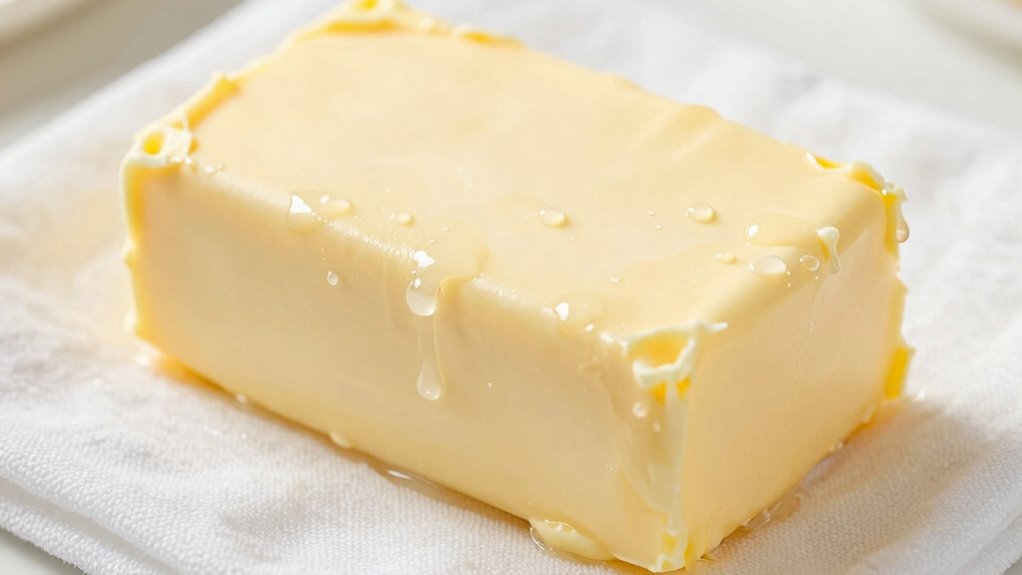
One common mistake to avoid when washing butter is using water that’s too cold or too hot, as extreme temperatures can affect the final texture and flavor. Additionally, neglecting proper storage can lead to spoilage or rancidity, undermining your efforts. Be sure to store your butter in airtight packaging to prevent contamination and absorption of odors. Packaging concerns are vital; improper wrapping can introduce moisture or bacteria during washing, risking spoilage. Also, avoid rushing the process, which can leave residues that compromise shelf life. Always use clean tools and maintain a consistent washing technique. Overlooking storage errors and packaging issues can undo the benefits of washing, so pay attention to these details to make sure your butter stays fresh and maintains quality.
Does Washing Butter Really Make It Last Longer?

Washing butter can influence how long it stays fresh, but it doesn’t automatically extend its shelf life. Proper butter preservation depends on effective moisture control, which washing can help achieve by removing residual milk solids and impurities that promote spoilage. When you wash butter carefully, you reduce surface moisture that encourages mold and bacterial growth, potentially slowing deterioration. However, washing alone isn’t a guarantee of longer shelf life; it’s just one step in a broader preservation process. To truly maximize freshness, you need to store the butter properly afterward, in a cool, airtight environment. While washing can help manage moisture levels, it’s important to balance cleanliness with proper storage practices for the best butter preservation results.
Tips for Producers and Consumers to Maximize Butter Shelf Life Through Washing

To maximize butter’s shelf life through washing, both producers and consumers should focus on thorough yet gentle cleaning processes that remove residual milk solids and impurities without damaging the butter. Proper washing inhibits butter fermentation caused by leftover milk residues that promote spoilage. Use cold water to rinse carefully, ensuring all surface impurities are removed, which minimizes microbial activity during dairy storage. For producers, maintaining strict hygiene during butter production reduces contamination risks, extending shelf life. Consumers should store washed butter in airtight containers in a cool, consistent environment to prevent rancidity. Regularly inspecting for any signs of spoilage helps catch issues early. By prioritizing gentle washing and proper storage, you can considerably prolong butter’s freshness and quality.
Frequently Asked Questions
Can Washing Butter Remove All Bacteria and Pathogens Effectively?
Washing butter can help reduce surface bacteria, but it doesn’t completely remove all bacteria and pathogens. For dairy safety, it’s important to understand that washing alone isn’t enough to guarantee all bacteria are eliminated. Proper handling, pasteurization, and sanitation are essential steps. You should still follow recommended dairy safety practices to minimize risks. So, while washing improves hygiene, it doesn’t guarantee total bacteria removal.
Does Washing Butter Affect Its Nutritional Value?
Washing butter can slightly impact its nutritional retention, as some water-soluble nutrients may be lost during the process. However, it generally preserves the flavor better by removing impurities. If you wash butter carefully, you minimize nutrient loss while achieving cleaner, fresher-tasting butter. Keep in mind that aggressive washing might reduce some nutritional value, but gentle rinsing typically balances flavor preservation with maintaining essential nutrients.
How Does Washing Influence Butter’s Melting Point?
Washing butter can slightly raise its melting point, affecting its consistency. For example, if you wash butter to remove impurities, it may become firmer and less prone to melting quickly. This process alters the butter’s composition, making it more stable at higher temperatures. As a result, its melting point increases, giving your butter a firmer texture and changing how it behaves when heated.
Is There a Risk of Washing Causing Butter to Spoil Faster?
Yes, washing butter can risk faster spoilage if not done properly. If you don’t remove dairy contamination effectively, bacteria may grow, reducing butter freshness and increasing spoilage chances. To prevent this, guarantee thorough washing and proper storage afterward. Maintaining good hygiene during the process helps preserve your butter’s quality, keeping it fresh longer and minimizing the risk of bacterial growth that could lead to spoilage.
What Are the Best Storage Conditions for Washed Butter?
Think of storing washed butter like guarding a treasure. Keep it at a consistent, cool storage temperature—ideally between 2-4°C—to prevent spoilage. Use airtight packaging materials to lock out air and moisture, preserving freshness and preventing off-flavors. Avoid exposure to light and heat, which can accelerate spoilage. Properly stored, your washed butter stays fresh longer, ensuring it remains a delicious staple in your kitchen.
Conclusion
So, next time you wash your butter, remember it’s the tiny step that surprisingly extends its life—who knew? While you might think you’re just rinsing away impurities, you’re actually giving your butter a longer, fresher life. Ironically, it’s that simple act of washing that can keep your favorite spread from spoiling too soon. So, go ahead—embrace the humble wash and enjoy butter that lasts just a little bit longer.