Hello there!

Get kitchen staples and gadgets delivered free with Prime
- Fast, free delivery on millions of items
- Prime Video, Amazon Music and more included
- Member-only deals all year
Ever wondered just how many calories are hiding in that innocent tablespoon of butter? Well, get ready to have your eyes opened. This article is here to give you the lowdown on the calorie content of butter, so you can make informed choices about your favorite spread.
We’ll dive into serving sizes, compare butter to other spreads, and even explore ways to incorporate butter into a calorie-conscious diet.
Get ready to be enlightened!
Key Takeaways
- Butter is a rich source of fat-soluble vitamins like A, D, E, and K, which support the immune system, maintain healthy skin, and aid in calcium absorption.
- Butter is high in saturated fat, which can raise cholesterol levels and increase the risk of heart disease.
- A tablespoon of butter is equal to approximately 102 calories.
- When compared to other spreads, regular margarine has fewer calories, light spreads have significantly fewer calories, and nut butters have a higher calorie content.
Butter: A Rich Source of Calories
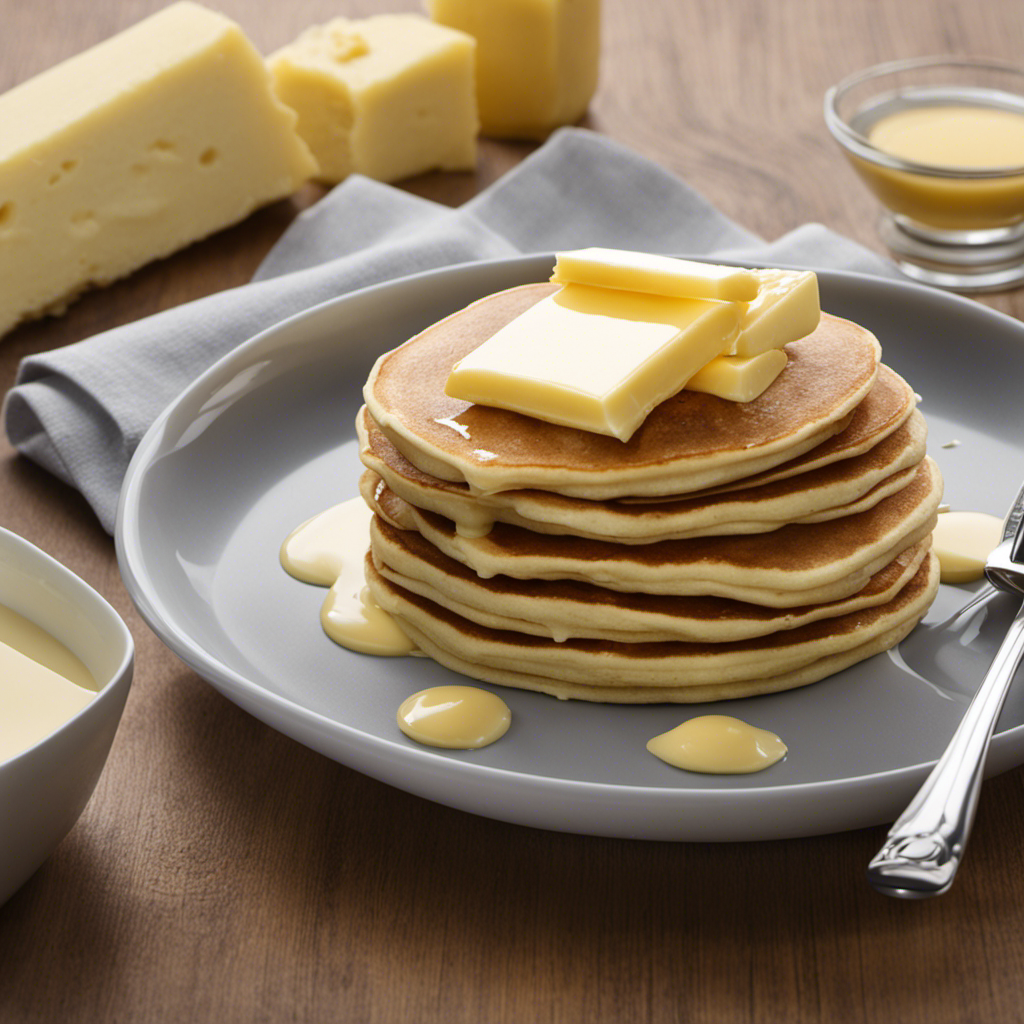
Butter’s a pretty high-calorie food, with about 100 calories in just one tablespoon. While it may be delicious and creamy, it’s important to be mindful of the nutritional benefits and drawbacks of consuming butter.
On the positive side, butter is a rich source of fat-soluble vitamins like A, D, E, and K. These vitamins play essential roles in supporting your immune system, maintaining healthy skin, and aiding in the absorption of calcium.
However, butter is also high in saturated fat, which can raise your cholesterol levels and increase the risk of heart disease. It’s recommended to consume butter in moderation and consider alternative uses for it. For example, you can use small amounts of butter to enhance the flavor of steamed vegetables or to sauté lean meats.
Understanding Serving Sizes: How Much Is a Tbsp of Butter
When measuring ingredients, it’s important to understand the serving sizes, such as a tablespoon of butter. To help you better understand measurements and convert tablespoons of butter accurately, here are four key points:
- A tablespoon of butter is equal to 14 grams or 0.5 ounces.
- This measurement is commonly used in recipes and nutritional information.
- If a recipe calls for a different measurement, you can easily convert it. For example, 1/4 cup of butter is equal to 4 tablespoons.
- Keep in mind that different brands may have slightly different weights for a tablespoon of butter, so it’s always a good idea to check the packaging.
Now that you have a better understanding of measuring tablespoons of butter, let’s dive into the calorie content of butter: unveiling the truth.
The Calorie Content of Butter: Unveiling the Truth
To truly understand the calorie content of butter, you’ll need to take a closer look at its nutritional composition. Butter is often seen as a high-calorie food that should be avoided if you’re trying to watch your weight. However, this belief is not entirely accurate. While it’s true that butter is calorie-dense, it also offers several nutritional benefits that shouldn’t be overlooked. Let’s debunk some myths about butter and weight gain by examining its nutritional profile:
| Nutrient | Amount per 1 tbsp (14g) | % Daily Value |
|---|---|---|
| Calories | 102 | 5% |
| Total Fat | 11.5g | 18% |
| Saturated Fat | 7.3g | 37% |
| Vitamin A | 355 IU | 7% |
| Vitamin E | 0.3mg | 1% |
As you can see, butter does contain calories and fat, but it also provides essential vitamins like A and E. These vitamins play important roles in maintaining healthy skin, vision, and immune function. Additionally, butter is a good source of saturated fat, which is important for hormone production and brain function. So, while moderation is key, incorporating small amounts of butter into your diet can have nutritional benefits.
To compare the calorie content of butter to other spreads, let’s move on to the next section: "Comparing Calories: Butter vs. Other Spreads."
Comparing Calories: Butter Vs. Other Spreads
If you’re curious about how butter stacks up against other spreads in terms of calorie content, take a look at the following comparison:
-
Butter: One tablespoon of butter contains approximately 102 calories. It is primarily composed of fat, with a small amount of protein and carbohydrates.
-
Margarine: Regular margarine typically has fewer calories than butter, coming in at around 75 calories per tablespoon. However, it is important to note that some margarine brands may have higher calorie content due to added ingredients.
-
Light Spreads: Light spreads, such as low-fat margarine or butter substitutes, can have significantly fewer calories compared to butter and regular margarine. They usually range from 25 to 50 calories per tablespoon.
-
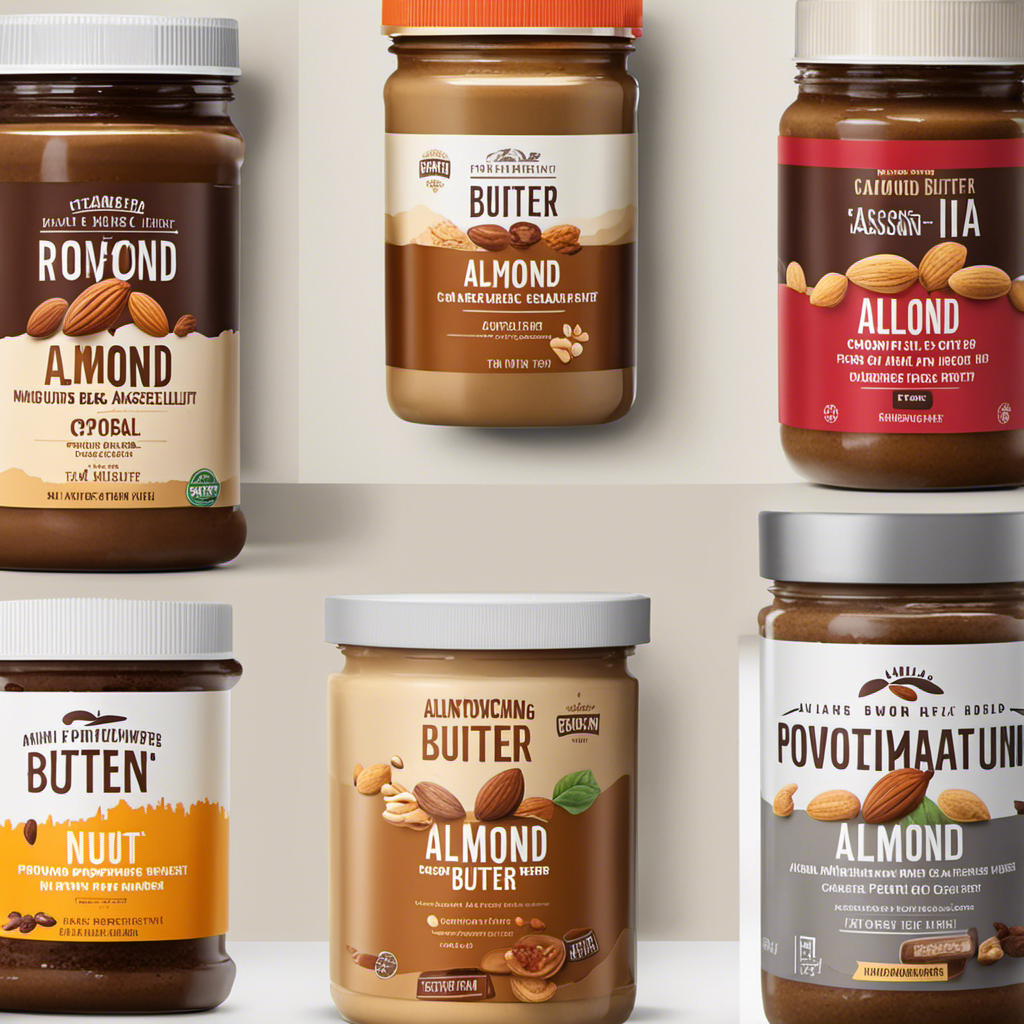
Nut Butter: Nut butters like peanut or almond butter have a higher calorie content than butter or regular margarine, with approximately 90 to 100 calories per tablespoon. However, they also offer additional nutritional benefits such as protein and healthy fats.
When considering the calorie content of spreads, it’s important to also take into account the overall nutritional differences. While butter may have more calories, it is a natural and unprocessed option. On the other hand, margarine and light spreads may be lower in calories, but they often contain more additives and trans fats.
Ultimately, the choice between butter and spreads depends on your dietary needs and preferences.
Incorporating Butter Into a Calorie-Conscious Diet
Incorporating butter into a calorie-conscious diet can be done by using it in moderation and balancing it with other nutritious food options.
While butter is high in calories and saturated fat, it can still be enjoyed as part of a healthy eating plan.
If you’re looking for butter alternatives, consider using olive oil or avocado as spreads. These options provide healthy fats and can add flavor to your meals.
When using butter in recipes, try to find ways to cut back on the amount called for. You can often substitute some of the butter with unsweetened applesauce, mashed bananas, or Greek yogurt. This will not only reduce the calorie content but also add moisture and nutrients to your dish.
Conclusion
So there you have it, butter lovers! It’s clear that butter is indeed a rich source of calories. But don’t fret, understanding serving sizes is key to keeping your calorie intake in check.
Remember, a tablespoon of butter contains around 100 calories, so moderation is key. While butter may have more calories than other spreads, it can still be incorporated into a calorie-conscious diet when consumed in moderation.
So go ahead, spread that butter on your toast and savor the creamy goodness, just be mindful of your portions.
Halloween Picks
halloween
As an affiliate, we earn on qualifying purchases.