Overworking dough with the mixer hook can cause the gluten to become too elastic, resulting in dense, tough bread. When you knead too long or too aggressively, the gluten strands tighten excessively, preventing the dough from expanding properly during baking. To avoid this, monitor the dough’s texture and stop kneading when it becomes smooth and elastic, but not overly stiff. Keep an eye on these signs, and you’ll discover how to keep your bread light and fluffy.
Key Takeaways
- Overworking dough with the hook can excessively develop gluten, leading to tough, chewy bread.
- Using the dough hook for too long or at high speed can cause over-kneading.
- Not monitoring dough texture during mixing may result in over-elastic gluten strands.
- Prolonged mixing can tighten the gluten network, restricting gas expansion and making bread dense.
- Properly stopping mixing once dough is elastic but not overworked prevents toughness.
Amazon Product B0D9NYJL46
As an affiliate, we earn on qualifying purchases.
Why Overworking Dough Makes Bread Tough
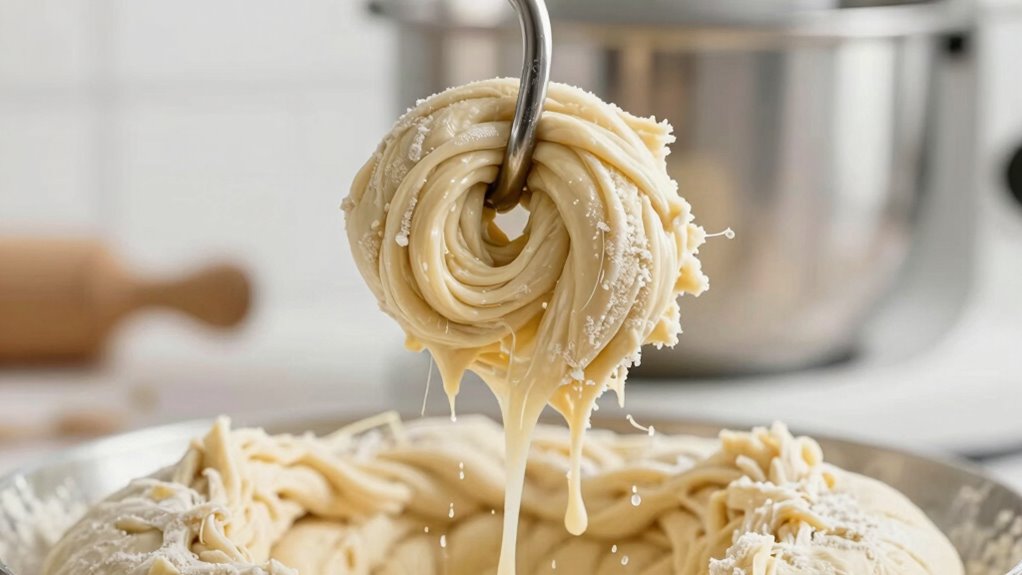
When you overwork dough, you disrupt the delicate balance of gluten development, which can make your bread tough rather than tender. As you knead or mix too much, the gluten strands become overly developed, leading to excessive dough elasticity. This heightened elasticity prevents the dough from stretching easily, resulting in a dense and chewy texture instead of a soft, airy crumb. Overworking can also cause the gluten network to tighten too much, restricting gas expansion during proofing and baking. Understanding gluten formation is essential to achieving the perfect bread texture. The key is to develop enough gluten for structure without pushing the dough to its limit, which can compromise the final bread’s tenderness. Monitoring dough texture and stopping kneading at the right point ensures your bread remains light and moist. Additionally, paying attention to dough handling techniques can help prevent overworking and improve your baking results. Being aware of gluten development helps bakers fine-tune their kneading process, ensuring the ideal balance between strength and tenderness.
Amazon Product B0F653VZ3D
As an affiliate, we earn on qualifying purchases.
How to Tell if You’re Overkneading With Your Mixer
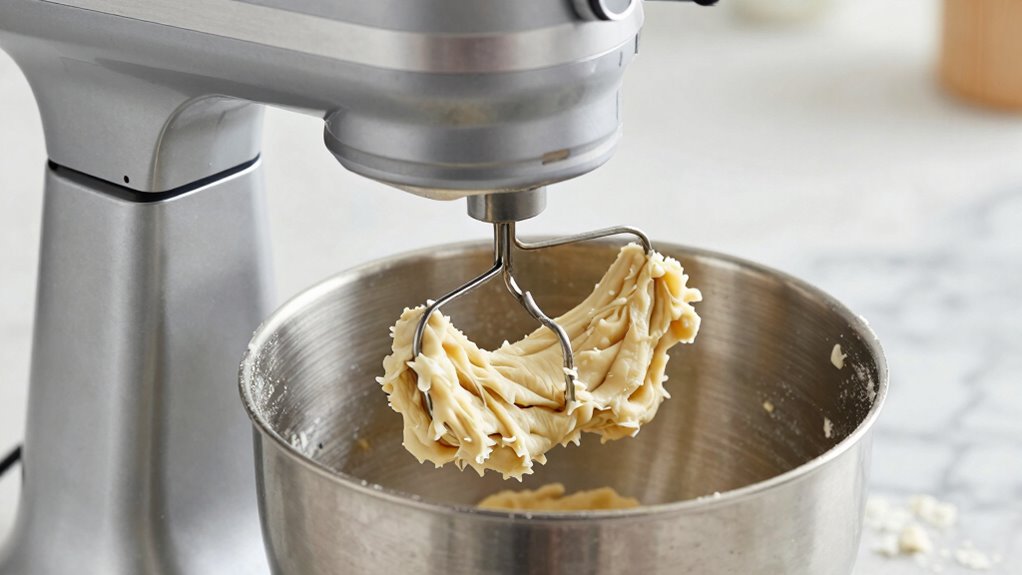
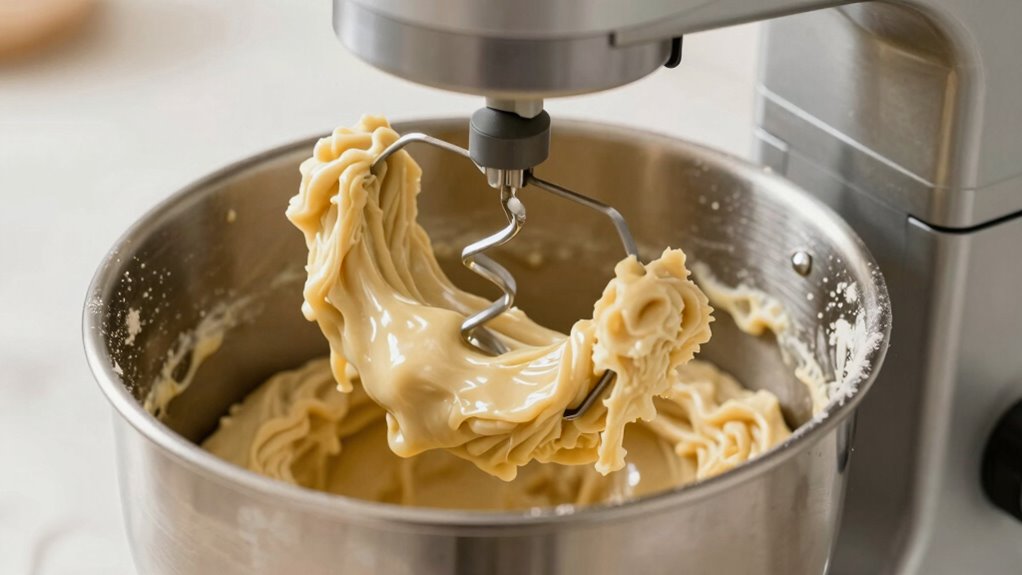
Using a mixer can make kneading easier, but it also increases the risk of overworking your dough without realizing it. To tell if you’re overkneading, pay attention to dough elasticity. If your dough becomes too stiff and resists shaping, it’s a sign you’ve gone too far. Adjust your mixer settings to lower speeds and shorten kneading time. Keep a close eye on the dough’s texture during mixing. Monitoring the lease terms can also help you understand how much handling the dough should endure during preparation. Additionally, overkneading can affect the gluten structure, leading to a tougher bread texture. Being aware of dough development stages can help prevent overmixing and ensure optimal bread quality, especially since proper kneading techniques are essential for achieving the desired bread consistency. Recognizing the signs of overkneading early can save you from having to start over with new dough.
Amazon Product B0FDQDZLCW
As an affiliate, we earn on qualifying purchases.
Proper Kneading Techniques to Keep Your Bread Light and Fluffy
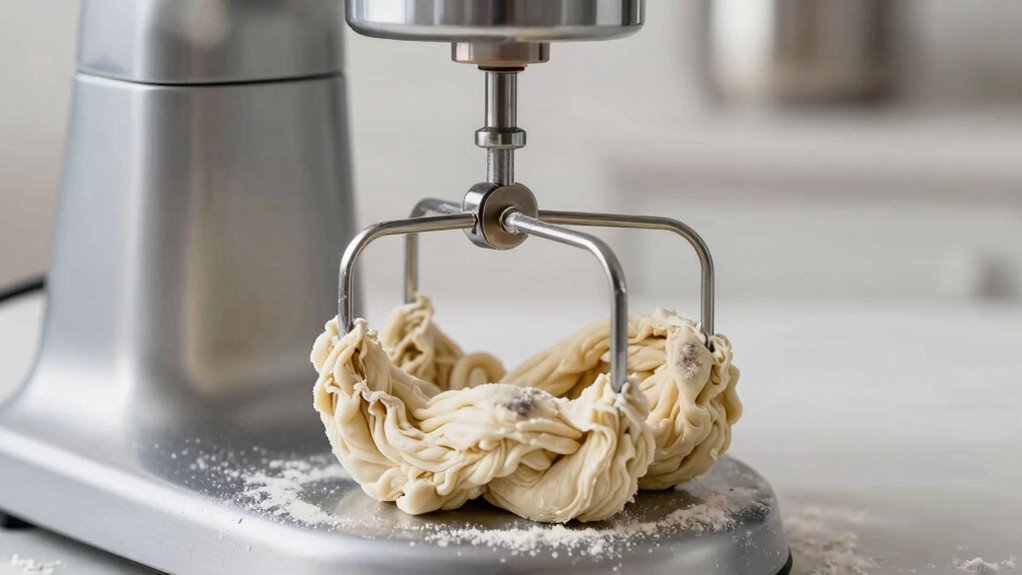
To keep your bread light and fluffy, mastering proper kneading techniques is essential. Focus on developing gluten properly by kneading just until the dough becomes smooth and elastic. This process promotes gluten development, which gives your bread the necessary structure without overworking it. Use your hands or a mixer with a dough hook, but avoid over-kneading, as it can reduce dough elasticity and make your bread tough. A good test is to perform the windowpane test: stretch a small piece of dough into a thin, translucent membrane without tearing. This indicates adequate gluten development. Remember, gentle but firm kneading encourages even gluten formation, resulting in a soft, airy crumb that’s light and fluffy. Proper kneading technique is crucial to achieve consistent, high-quality bread. Additionally, paying attention to kneading duration can help prevent overworking the dough and ensure optimal texture. Being mindful of the dough’s consistency throughout kneading can also help you identify the perfect point to stop, preventing toughness and ensuring lightness. Developing an understanding of gluten formation can further refine your kneading process, leading to better bread results. Monitoring the dough’s elasticity during kneading helps achieve the ideal balance between strength and tenderness, contributing to a more enjoyable loaf.
Amazon Product B0G8J69C8Y
As an affiliate, we earn on qualifying purchases.
Adjust Mixing Time for Different Types of Dough
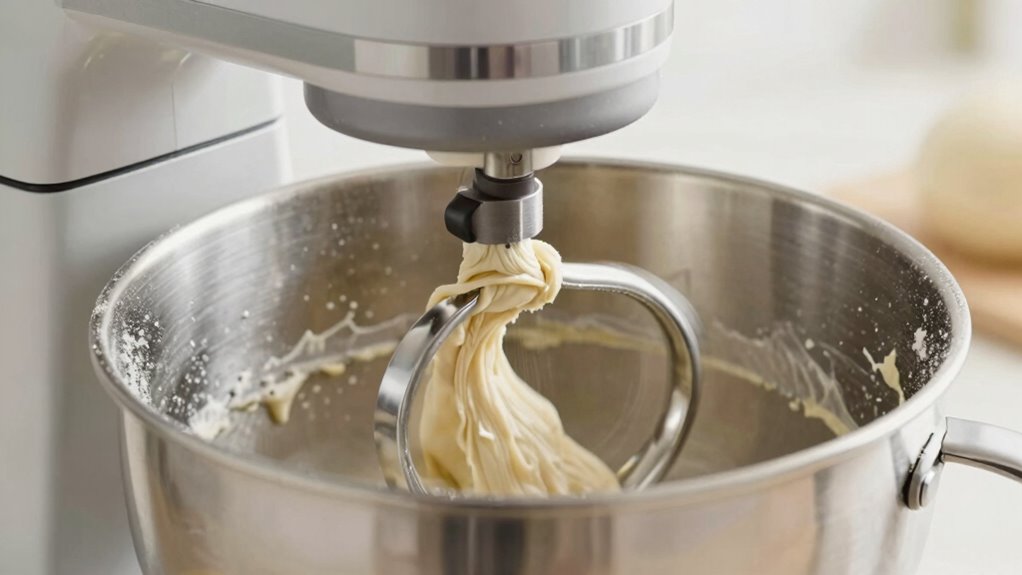
Different types of dough require varying mixing times to achieve ideal texture and gluten development. For sourdough or starter culture-based doughs, shorter mixing preserves delicate gluten strands, preventing toughness. Yeast-based breads, however, need longer mixing to fully develop gluten for structure and rise. Adjust your mixing time based on the dough’s purpose. Here’s a quick comparison:
| Dough Type | Mixing Time |
|---|---|
| Sourdough, starter | Shorter, gentle mixing |
| Enriched, sweet dough | Moderate mixing |
| Classic yeast bread | Longer, thorough mixing |
Pay attention to the dough’s consistency and gluten development, stopping when it feels elastic but not overworked. Proper timing guarantees your bread is tender, not tough. Additionally, understanding zodiac traits can help you better interpret your own baking style and patience levels.
Top Tips for Perfect, Fluffy Homemade Bread
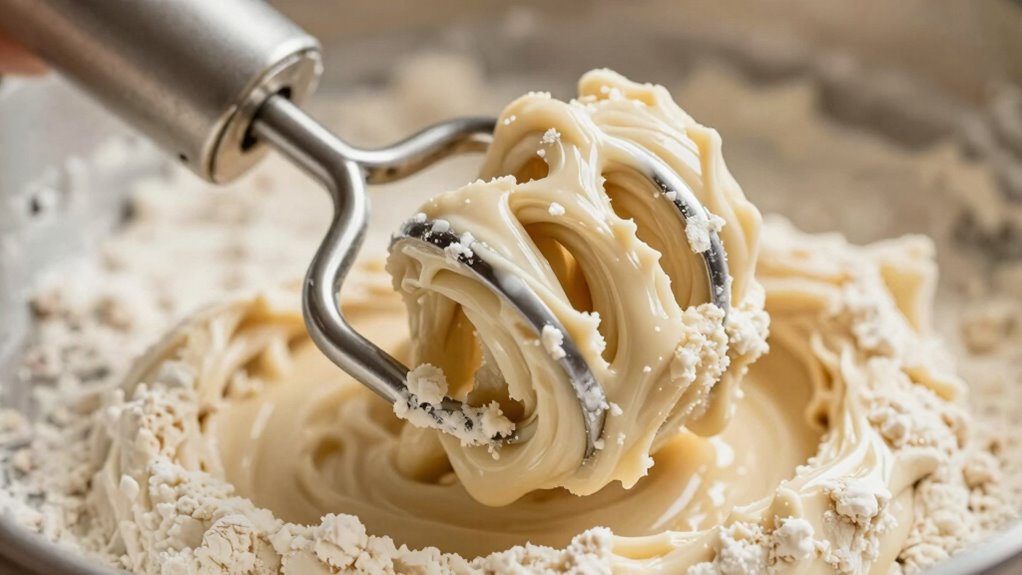
Achieving perfectly fluffy homemade bread starts with mastering key techniques that promote ideal rise and texture. First, focus on dough hydration; using the right amount of water guarantees the gluten develops properly, resulting in a lighter crumb. Be careful not to overhydrate or underhydrate your dough, as both can hinder fluffiness. Next, ensure yeast activation is thorough—warm water and a pinch of sugar help activate the yeast quickly, producing the carbon dioxide needed for rise. Let the dough rest until it doubles in size, which strengthens the gluten structure. Proper kneading is essential to develop elasticity without overworking the dough, which can toughen it. By controlling dough hydration and ensuring effective yeast activation, you’ll create a foundation for bread that’s airy, soft, and irresistibly fluffy.
Frequently Asked Questions
Can Using a Dough Hook Cause Overmixing Even if Not Kneading Manually?
Using a dough hook can cause overmixing even if you’re not kneading manually. If you set the mixing speed too high or run the mixer for too long, dough hook issues arise, leading to overdevelopment of gluten. This results in tough bread. To avoid this, keep the mixer on a low speed and monitor the mixing time carefully, stopping once the dough reaches the right consistency.
What Are Signs of Under-Kneaded Bread Versus Over-Kneaded Bread?
Imagine you’re in a vintage bakery, feeling the rhythm of kneading. If your bread is under-kneaded, it’ll feel sticky, with poor gluten development and weak dough elasticity. Over-kneaded bread, however, becomes tight, dense, and tough, losing its softness. To tell the difference, check if the dough is smooth and elastic (properly kneaded) or overly stiff and resistant (over-kneaded). Proper gluten development guarantees perfect texture.
How Does Ingredient Temperature Affect Kneading and Dough Consistency?
You’ll notice that ingredient temperature greatly impacts kneading and dough elasticity. If your ingredients are too cold, the dough becomes stiff and resists kneading, leading to less elasticity. Conversely, warm ingredients help develop a smoother, more elastic dough that’s easier to knead. Maintaining the right ingredient temperature guarantees your dough attains ideal elasticity, resulting in a light, airy bread with a perfect crumb.
Is It Better to Knead by Hand or Mixer for Specific Bread Types?
You might find that hand kneading offers a personal touch, perfect for rustic or small-batch breads, letting you feel the dough’s texture. However, mixer benefits shine when making larger batches or doughs needing consistent kneading, saving you time and effort. For delicate or artisanal loaves, hand kneading helps you regulate the process, while a mixer guarantees uniform results for everyday bread. Choose based on your comfort and bread type.
How Can I Fix Bread That Turned Out Tough After Overmixing?
If your bread turned out tough after overmixing, start by letting it rest to relax the gluten. Next, adjust the mixing speed, using a slower speed to prevent further gluten development. Make certain proper flour hydration by adding a small amount of water if the dough feels dry. These steps help improve texture, making your bread softer and more tender. Always monitor mixing time and speed to avoid overworking the dough.
Conclusion
Remember, overworking your dough is like beating a delicate butterfly—you’re risking its lightness and fluffiness. Keep an eye on your mixer, trust your instincts, and know when to stop. With a gentle touch and the right technique, you’ll create bread that rises like a sunbeam—soft, airy, and perfect every time. Don’t let the dough hook be your enemy; let it be your tool for baking brilliance.