Cultured cream is made through fermentation, where beneficial bacteria convert lactose into lactic acid, giving it a tangy flavor and thicker texture. In contrast, uncultured cream remains mild and thinner since it lacks these bacteria. The presence of probiotics in cultured cream offers digestive and immune health benefits, something uncultured cream doesn’t provide. Understanding these differences can enhance your culinary choices and improve your meals. There’s more to explore about their uses and benefits!
Key Takeaways
- Cultured cream is produced by adding beneficial bacteria to cream, initiating a fermentation process that thickens the texture and adds tanginess.
- The fermentation process converts lactose into lactic acid, contributing to the distinct flavor profile of cultured cream.
- Uncultured cream does not undergo fermentation, resulting in a milder taste and thinner consistency compared to its cultured counterpart.
- Cultured cream contains probiotics, which are beneficial bacteria that support gut health and improve digestion, unlike uncultured cream.
- The introduction of probiotics in cultured cream aligns with the microbiological interest in promoting healthy gut microbiomes through dietary choices.
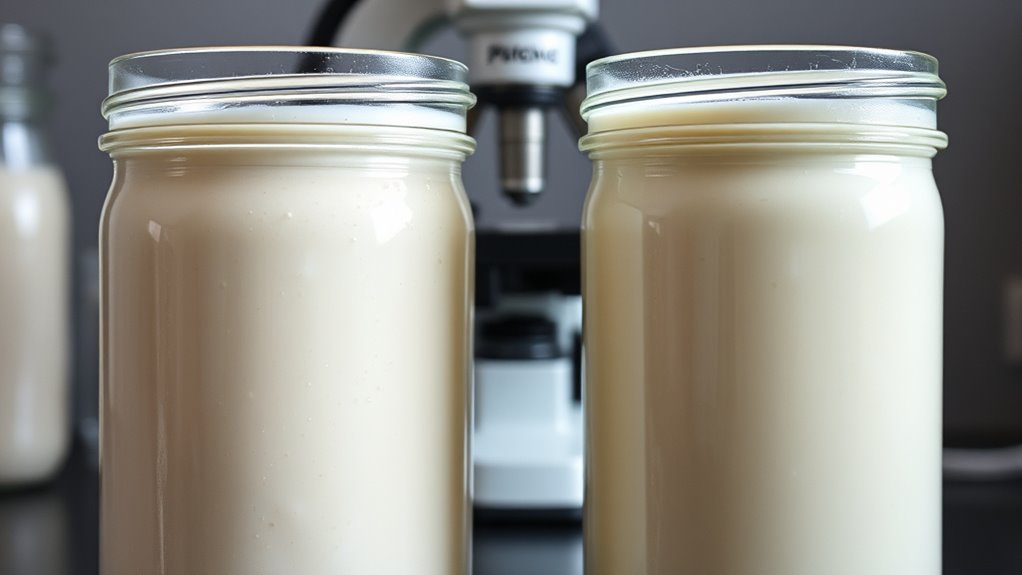
When you’re choosing between cultured and uncultured cream, understanding the differences can enhance your culinary creations. Cultured cream undergoes a controlled fermentation process, where beneficial bacteria are added to cream, converting lactose into lactic acid. This gives it a tangy flavor and thicker texture, making it a favorite in various dishes. The fermentation process not only alters the taste but also boosts the cream’s nutritional profile. As these bacteria work their magic, they create an environment rich in probiotics, which can support gut health and improve digestion.
On the other hand, uncultured cream doesn’t undergo this fermentation. It’s simply fresh cream, with no added cultures or bacteria. Because of this, it retains a milder flavor and a thinner consistency. If you’re aiming for a rich, creamy texture without any tang, uncultured cream might be your go-to option. However, it lacks the probiotic benefits associated with its cultured counterpart. While it’s great for certain recipes, you may miss out on that extra dimension of flavor and nutrition that cultured cream offers.
Using cultured cream can elevate your dishes, especially in recipes like dips, dressings, or as a topping for fruits and desserts. The tanginess can balance sweetness and add complexity to savory dishes. Plus, the probiotics can improve the overall healthiness of your meal. When you incorporate cultured cream into your cooking, you’re not just adding flavor; you’re also enhancing the health benefits of your food. Additionally, incorporating ice cream recipes that use cultured cream can introduce delightful flavors and textures to your dessert creations.
If you’re keen on health and wellness, consider how incorporating cultured cream can positively impact your diet. Probiotics are known to promote a healthy gut microbiome, which can lead to improved digestion and even boost your immune system. With the rise of interest in gut health, using cultured cream can be a delicious way to incorporate these beneficial bacteria into your meals.

Consult Beaute MICROBIOME Pre & Probiotic Cultured Facial Cream, Helps Balance & Strengthen Skin's Moisture Barrier, Long-Lasting Hydration, Easy and Fast-Absorbing, Suitable for All Skin Types 1.7 oz
Strengthen your skin's moisture barrier with the Consult Beaute Microbiome Cultured Facial Cream. A lightweight and non-greasy daily…
As an affiliate, we earn on qualifying purchases.
As an affiliate, we earn on qualifying purchases.
Frequently Asked Questions
What Are the Health Benefits of Cultured Cream?
Cultured cream offers several health benefits that can enhance your well-being. It’s rich in probiotics, which support digestive health by promoting a balanced gut microbiome. These beneficial bacteria can help reduce bloating and improve nutrient absorption. Plus, cultured cream contains essential vitamins and minerals that contribute to overall health. By incorporating it into your diet, you can enjoy a tasty way to boost your immune system and maintain a healthy digestive tract.
Can Uncultured Cream Be Used for Baking?
Absolutely, you can use uncultured cream for baking! Think of it as a blank canvas, ready for your culinary masterpiece. While it lacks the fermentation process that adds unique flavors and microbial diversity, it still delivers moisture and richness. Just keep in mind that your baked goods might not have that tangy depth you’d get from cultured cream. So go ahead, whip it up, and let your creativity shine!
How Long Does Cultured Cream Last in the Fridge?
Cultured cream typically lasts about 1 to 3 weeks in the fridge after opening. To guarantee it’s still good, check for spoilage indicators like an off smell, discoloration, or mold. If you notice any of these signs, it’s best to discard it. For maximum freshness, keep it tightly sealed and stored at a consistent temperature. Trust your senses; when in doubt, it’s safer to toss it than risk foodborne illness.
What Is the Taste Difference Between Cultured and Uncultured Cream?
You’ll notice a distinct taste difference between cultured and uncultured cream. Cultured cream has a tangy flavor profile thanks to the fermentation process, while uncultured cream offers a rich, sweet taste. The texture contrast is also intriguing; cultured cream is often thicker and creamier, enhancing its unique flavor. If you’re looking for depth in your dishes, cultured cream’s complexity can elevate your recipes, while uncultured cream maintains a smooth, simple richness.
Are There Any Allergens in Cultured Cream?
Yes, cultured cream can contain allergens, especially for those with dairy allergies. The fermentation process used to create cultured cream might break down some lactose, but it doesn’t eliminate it entirely. If you’re lactose intolerant or allergic to dairy proteins, it’s essential to check labels and consult with a healthcare professional. Always be cautious, as individual reactions can vary, and what’s safe for one person might not be for another.

Badia Cream of Tartar, 2 Pounds – Premium Baking Stabilizer & Leavening Agent – Ideal for Fluffy Meringues, Perfect Baked Goods
Premium Baking Stabilizer for Perfect Texture: A must-have ingredient for bakers, helping to stabilize egg whites, enhance the…
As an affiliate, we earn on qualifying purchases.
As an affiliate, we earn on qualifying purchases.
Conclusion
In the world of cream, choosing between cultured and uncultured can feel like picking between a symphony and silence. Cultured cream bursts with flavor and probiotics, enhancing your dishes and gut health alike. On the other hand, uncultured cream offers a simple, rich taste that some may prefer. Ultimately, your choice can elevate your culinary creations to heights that could make even the gods envious. So, go ahead and indulge in the creamy delight that speaks to your palate!
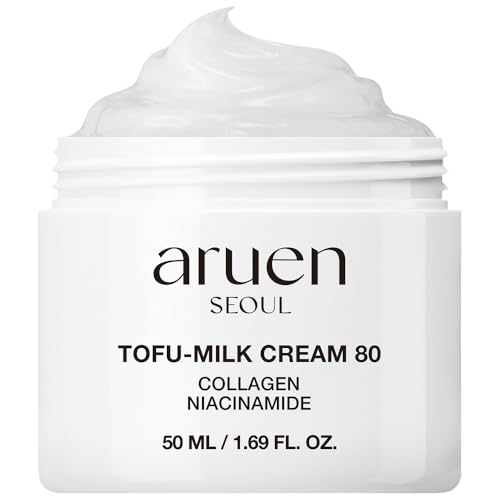
aruen Tofu Collagen Dual-Firming Jelly Cream – 80% Fermented Soy Milk + Bean Essence + Niacinamide – Korean Glass Skin Tightening, Daily Facial Moisturizer (1.69 fl.oz | 50ml)
Elastic “TofuCollagen” Texture for a Firmer Look – Aruen TofuCollagen Cream features a unique stretchy, bouncy texture that…
As an affiliate, we earn on qualifying purchases.
As an affiliate, we earn on qualifying purchases.

Original Sour Cream, 12 oz Bottle, Smooth & Creamy, Perfect for Dips, Toppings, Baking, and Cooking
Rich & Creamy Flavor: Classic smooth sour cream with a tangy, slightly sweet flavor that enhances dishes, dips,…
As an affiliate, we earn on qualifying purchases.
As an affiliate, we earn on qualifying purchases.