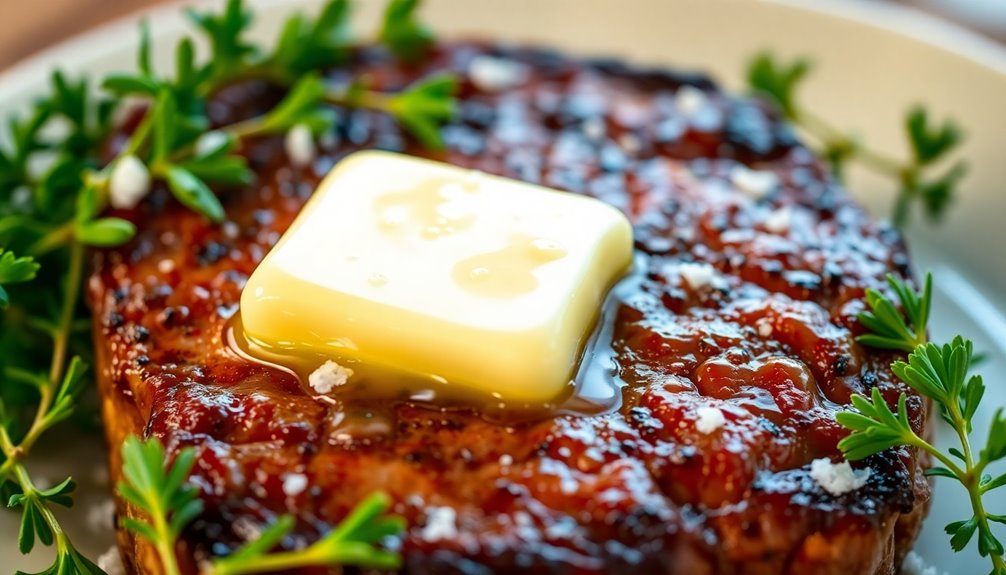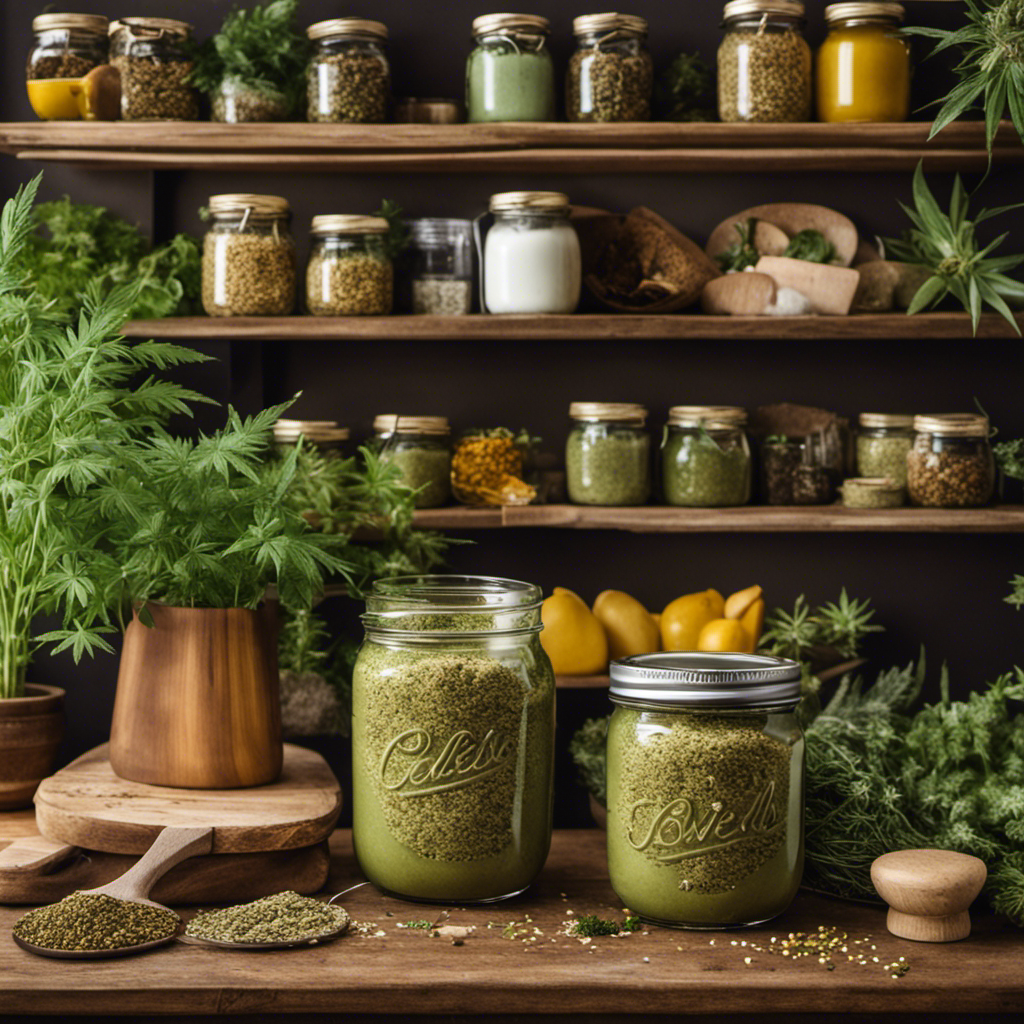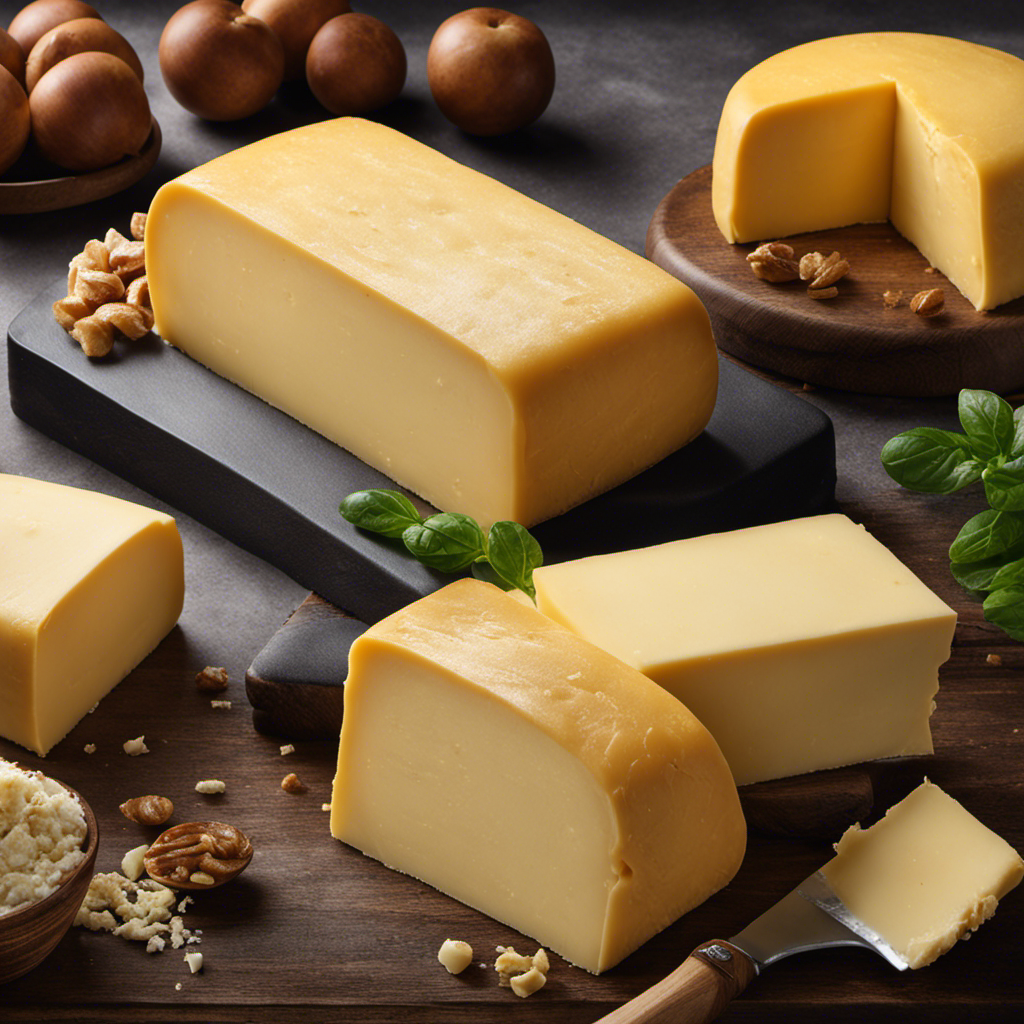
Fermented cream is essential for making cultured butter. Start with high-quality heavy cream and add a starter culture. Let it ferment at room temperature for 12 to 24 hours until it thickens and develops a tangy flavor. Once fermented, churn the cream to separate the butterfat from buttermilk, creating rich, spreadable butter. This fermentation process not only enhances flavor but also adds nutritional benefits. There’s more to explore about this delicious transformation!

Get kitchen staples and gadgets delivered free — and shop member deals
- Fast, free delivery on millions of items
- Access to Prime Big Deal Days deals on October 6–7
- Prime Video, Amazon Music and more included
Key Takeaways
- Cultured butter begins with high-quality heavy cream fermented using specific starter cultures that convert lactose to lactic acid.
- The fermentation process typically lasts 12 to 24 hours, resulting in thickened cream with enhanced flavor and aroma.
- After fermentation, the cream is churned to separate butterfat from buttermilk, creating rich, spreadable butter.
- The fermentation process adds complexity to the butter’s flavor, making it more delicious for various culinary uses.
- Homemade cultured cream can be made easily, enhancing flavors and introducing beneficial probiotics into your diet.

When you think of creamy delights, fermented cream might not be the first thing that comes to mind, but it deserves a spot in your culinary repertoire. Fermented cream, often used as a base for cultured butter, offers a rich flavor and unique texture that elevates your dishes. Understanding the fermentation process can help you appreciate this delightful ingredient and even inspire you to make your own at home.
To start, you need to grasp how starter cultures play a role in transforming ordinary cream into something extraordinary. These cultures are made up of specific bacteria that thrive in dairy environments, helping to develop the flavors and textures we associate with fermented products. When you add a starter culture to fresh cream, you’re kickstarting a natural fermentation process that breaks down lactose into lactic acid. This not only thickens the cream but also introduces a tangy flavor that complements both sweet and savory dishes.
In the kitchen, using fermented cream is incredibly versatile. You can stir it into soups for a creamy finish, dollop it on baked potatoes, or use it as a base for dressings and dips. When you make cultured butter, the process begins with this fermented cream. After letting it ferment for a day or two at room temperature, you’ll notice it thickens and develops a pleasant aroma. Once fermented, you can churn it to separate the butterfat from the buttermilk, resulting in a rich, spreadable butter that’s perfect for toast or baking.
Creating your own fermented cream isn’t just rewarding; it’s also simple. Start with high-quality heavy cream and a reliable starter culture, which you can find in specialty stores or online. Allow the mixture to sit at room temperature for 12 to 24 hours until it thickens. Then, refrigerate it to halt the fermentation process, and you’ll have delicious, tangy cream ready for your culinary adventures.
Incorporating fermented cream into your meals not only enhances flavors but also adds nutritional benefits. The fermentation process can increase the bioavailability of nutrients and introduce beneficial probiotics to your diet. So, next time you’re in the kitchen, consider reaching for some fermented cream. It’s more than just a creamy delight; it’s a flavorful journey that can elevate your cooking and bring a new twist to your favorite recipes.
starter culture for fermented cream
As an affiliate, we earn on qualifying purchases.
As an affiliate, we earn on qualifying purchases.
Frequently Asked Questions
What Makes Fermented Cream Different From Regular Cream?
Fermented cream differs from regular cream mainly due to lactic fermentation. While regular cream is just fresh milk fat, fermented cream undergoes a process where dairy bacteria convert lactose into lactic acid. This gives it a tangy flavor and thicker texture. You’ll notice that the fermentation enhances its complexity and preserves it longer. So, if you’re looking for something richer and more flavorful, fermented cream’s your best bet!
How Long Does It Take to Ferment Cream?
Think of fermentation as a slow dance between cream and bacteria. It typically takes about 12 to 24 hours for cream to ferment, depending on the temperature and desired acidity. During this fermentation duration, the cream undergoes an aging process, developing rich flavors and a tangy profile. Keep an eye on it; you’ll know it’s ready when it smells pleasantly sour and has thickened, perfect for transforming into delicious cultured butter.
Can I Make Fermented Cream at Home?
Yes, you can definitely make fermented cream at home! Start by mixing fresh cream with a starter culture, like buttermilk or yogurt, to kick off homemade fermentation. Let it sit at room temperature for 12 to 24 hours until it thickens and develops a tangy flavor. This process not only enhances taste but also aids in dairy preservation. Once fermented, you can use your cream in various recipes or enjoy it on its own!
What Dairy Cultures Are Best for Fermentation?
Choosing the right dairy cultures for fermentation is like picking the perfect ingredients for a recipe. For effective fermentation techniques, try using cultures like Lactococcus lactis or Streptococcus thermophilus. These cultures thrive in cream, creating a deliciously tangy flavor. You’ll want to make certain of proper dairy culture selection, as each type influences taste and texture. Experimenting with different cultures can yield unique results, enhancing your homemade fermented creations with every batch you make.
Is Fermented Cream Safe for Lactose-Intolerant Individuals?
Yes, fermented cream can be safe for lactose-intolerant individuals. The fermentation process breaks down much of the lactose, making it easier for you to digest. Many people with lactose intolerance find they can enjoy cultured dairy products without issues. However, if you have dairy allergies, you should still approach fermented cream with caution. Always listen to your body, and if unsure, consult a healthcare professional before trying new dairy products.
Conclusion
In conclusion, making cultured butter from fermented cream is like crafting a delicious symphony of flavors in your kitchen. By allowing the cream to ferment, you release its rich, tangy potential, transforming it into a creamy delight that elevates any dish. With just a few simple steps, you can enjoy the mouthwatering results of your efforts, bringing a touch of artisanal charm to your table. So, why not give it a try and savor the difference?
Fall Picks
fall essentials
As an affiliate, we earn on qualifying purchases.