
Yes, you can refreeze butter, but make sure it was stored properly in the fridge and hasn’t been left out too long. Always check for signs of spoilage, like off smells or discoloration. Wrap it tightly to prevent freezer burn and maintain flavor. Once thawed, use your butter within a few days and avoid refreezing it again. If you’re curious about proper storage methods and alternatives, there’s more to discover!
Key Takeaways
- Yes, you can refreeze butter if it has been stored in the fridge and shows no signs of spoilage.
- Ensure butter is tightly wrapped in plastic wrap or aluminum foil before freezing to prevent freezer burn.
- Discard butter left out at room temperature for extended periods to avoid health risks from bacteria growth.
- Thaw butter gradually in the fridge to maintain its texture and avoid greasiness.
- Use thawed butter within a few days and avoid refreezing it to maintain quality.
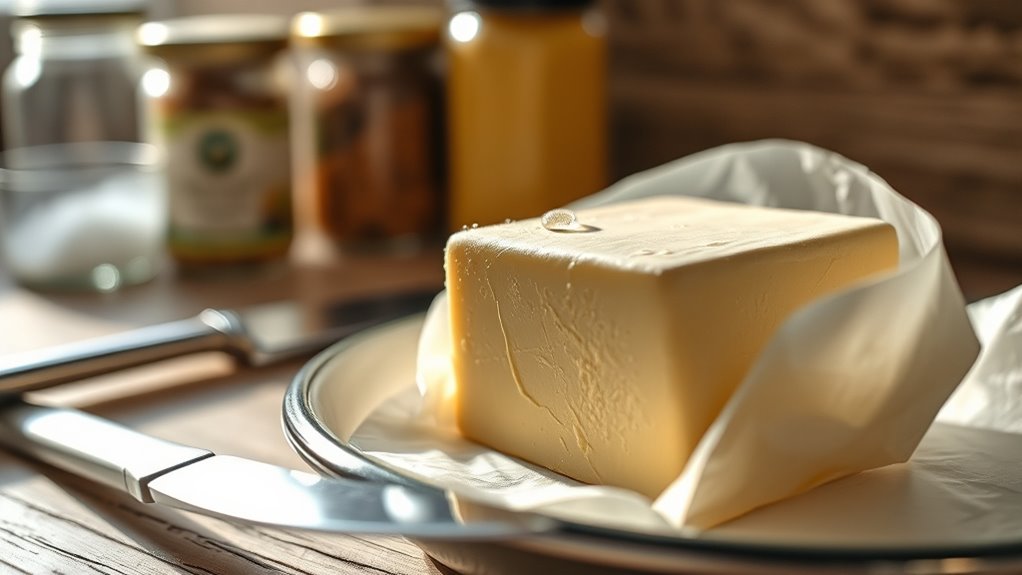
When you find yourself with leftover butter after baking, you might wonder if it’s safe to refreeze it. The good news is that you can refreeze butter, but there are a few things to consider to ensure it stays fresh and tasty. First off, it’s important to know how you stored that butter before deciding to refreeze it. If you left it out at room temperature for an extended period, you might want to toss it instead. Bacteria can grow in butter when it’s not kept properly, and you don’t want to risk your health.
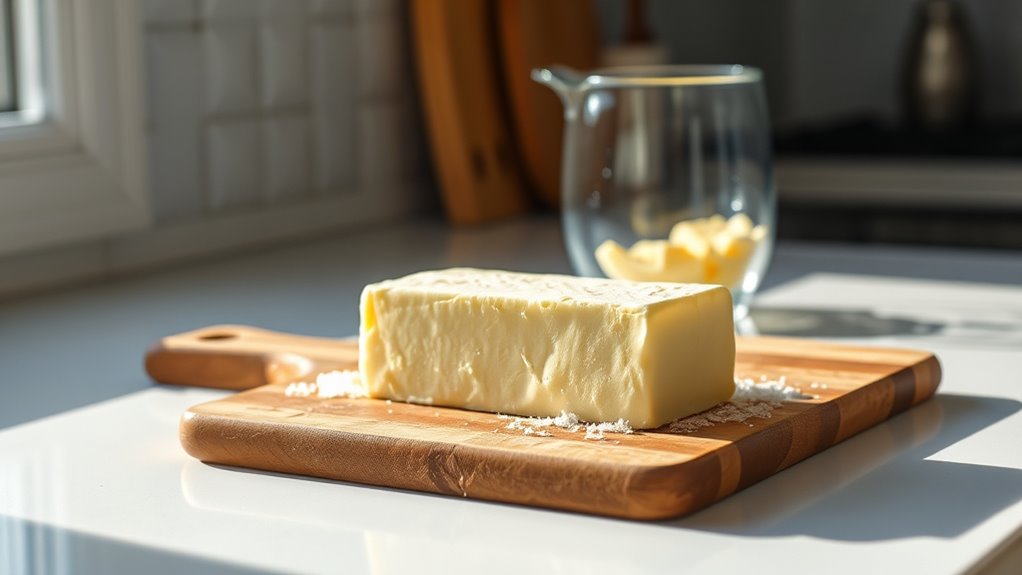
If you’ve kept your butter in the fridge and it’s still within the recommended storage time, you’re in good shape! When refreezing butter, it’s best to wrap it tightly in plastic wrap or aluminum foil to prevent freezer burn. You can also place it in an airtight container. This keeps it fresh and helps maintain its flavor. With these storage tips, you’ll find that the quality of your butter remains intact even after being frozen and thawed. Additionally, proper storage methods can significantly enhance the preservation of various food items.
Now, if you’re thinking about using butter substitutes instead of refreezing, there are plenty of options out there! For instance, you can use margarine or coconut oil, which can work well in many baking recipes. Keep in mind that these substitutes may alter the flavor and texture of your baked goods slightly, so it’s worth experimenting to see what you prefer. If you decide to use a butter substitute in your recipes, check the packaging for storage instructions. Many of these alternatives also freeze well, providing you with flexibility in the kitchen.
When you’re ready to use your refrozen butter, just take it out of the freezer and let it thaw in the fridge. This gradual thawing helps maintain its texture, so you don’t end up with a greasy mess. Remember that once you’ve thawed the butter, it’s best to use it within a few days to ensure it stays fresh.
Top picks for "refreeze butter"
Open Amazon search results for this keyword.
As an affiliate, we earn on qualifying purchases.
Frequently Asked Questions
Can I Refreeze Butter That Was Previously Thawed at Room Temperature?
You shouldn’t refreeze butter that was previously thawed at room temperature. When butter is left out, bacteria can grow, compromising its safety for later use. Instead, stick to safe butter storage practices by keeping it in the fridge or freezer. If you’ve thawed butter in the fridge, you can refreeze it safely. Always prioritize food safety to avoid any health risks, especially when it comes to dairy products.
Does Refreezing Butter Affect Its Flavor or Texture?
Refreezing butter can affect its flavor and texture, though the impact might be subtle. On one hand, you might notice a slight change in texture, making it a bit grainy. On the other, it can still maintain decent flavor preservation, especially if it’s wrapped tightly. If you’re planning to use it in cooking or baking, that slight texture change likely won’t matter much, but keep the potential impact in mind.
How Long Can Butter Stay Frozen Before Quality Declines?
Butter can stay frozen for about six to nine months before you start noticing quality deterioration. During this storage duration, the flavor and texture may begin to decline, especially if it’s not properly wrapped. To maintain the best quality, make sure you use airtight packaging. After the nine-month mark, it’s still safe to eat, but you might find it less enjoyable in your recipes.
Is It Safe to Refreeze Butter After Cooking With It?
Yes, it’s safe to refreeze butter after cooking with it, as long as you’ve handled it properly. For ideal food safety, make sure it hasn’t been left out at room temperature for too long. Store it in an airtight container to prevent freezer burn. When you’re ready to use it again, just remember to thaw it in the fridge for the best texture and flavor. Follow these storage tips to maintain quality!
What’s the Best Way to Thaw Frozen Butter?
To thaw frozen butter, you’ve got a couple of great options. You can place it in the fridge overnight for slow, even thawing. If you need it quicker, you can cut it into smaller pieces and let it sit at room temperature for about 15-20 minutes. For immediate use, you can also grate it or microwave it on low power in short bursts. Remember these butter storage tips for best results!
Conclusion
So, next time you’re faced with the dilemma of refreezing butter, remember to check its quality first. Picture that smooth, creamy texture melting onto warm toast, enhancing your breakfast bliss. If it looks and smells good, go ahead and pop it back in the freezer. Just keep an eye on the time, and you’ll enjoy that buttery goodness again without worry. Your future self will thank you as you savor every delightful bite!