Yes, butter can mold if it’s not stored properly. Check for any fuzzy layers on the surface, unusual discoloration, or off-putting smells—a sour odor indicates spoilage. To prevent mold, store butter in the fridge, use clean utensils, and keep it sealed to limit air exposure. Always monitor its appearance and discard any questionable butter. Want to learn more about storing butter and extending its shelf life?
Key Takeaways
- Yes, butter can mold due to improper storage, exposure to air, and warm temperatures.
- Check for fuzzy layers or unusual discoloration as indicators of mold growth.
- Always inspect for off-putting or sour smells before using butter.
- Store butter in airtight containers and refrigerate to prevent mold.
- Discard butter that shows signs of spoilage or has been stored too long.
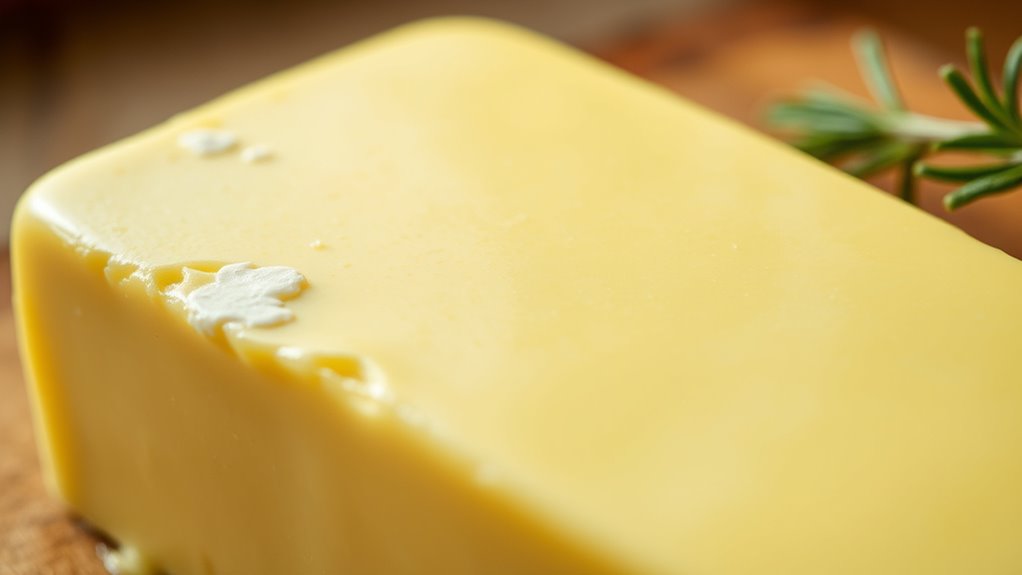
Butter can definitely mold if it’s not stored properly. If you’re a fan of this creamy condiment, it’s vital to understand how to keep it fresh and safe for consumption. You might not think about it often, but improper butter storage can lead to unwanted mold growth. The last thing you want is to reach for your butter only to find that it’s developed a fuzzy layer or an off-putting smell.
To prevent this from happening, start by keeping your butter in the refrigerator. The cold temperature slows down the growth of mold and bacteria. If you use butter daily, it’s okay to keep a small amount out at room temperature—just make sure it’s in an airtight container and away from heat sources. Room temperature butter can be spreadable, but it’s vital to limit exposure to air to avoid contamination.
When you buy butter, make sure to check the expiration date. Even if it’s unopened, butter can spoil if left in the wrong conditions. Once you open a package, it’s best to consume it within a few weeks to guarantee the best flavor and safety. If you notice any discoloration or an unusual odor, it’s time to toss it out.
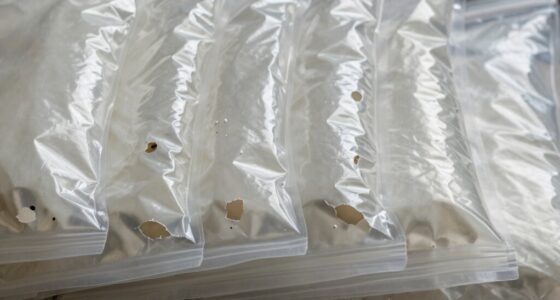
For longer-term storage, consider freezing your butter. Wrap it tightly in foil or plastic wrap, then place it in an airtight container or a freezer bag. This method not only helps with mold prevention but also preserves the quality of the butter for several months. Just remember to thaw it in the refrigerator when you’re ready to use it again.
Another tip for mold prevention is to avoid double-dipping. If you’re using butter for cooking and continuously dipping utensils back into the container, you’re introducing bacteria. Always use a clean knife or spoon each time you scoop out butter.
Additionally, incorporating healthy storage tips can help you maintain your butter’s freshness for an extended period. Paying attention to these simple storage practices can make a significant difference in keeping your butter fresh. Moldy butter isn’t just unpleasant; it can also pose health risks. So, stay vigilant with your butter storage to enjoy its rich, creamy goodness without any unwanted surprises. By following these guidelines, you’ll guarantee that your butter stays mold-free and delicious for all your cooking and baking needs.
Frequently Asked Questions
Can I Freeze Butter to Prevent Mold?
Yes, you can freeze butter to help with butter preservation and mold prevention techniques. When you freeze it, you create a cold environment that inhibits mold growth. Just make sure to wrap it tightly in plastic wrap or store it in an airtight container to prevent freezer burn. This way, you can enjoy your butter later without worrying about spoilage or mold. Just thaw it in the fridge when you’re ready to use it!
What Types of Butter Are Less Likely to Mold?
When you’re choosing butter, look for options high in fat content, like European-style butter, as they tend to have better mold resistance. Stay away from spreads with added water or low-fat versions, since they can spoil faster. For ideal butter freshness, always store it in an airtight container and keep it refrigerated. If you follow these tips, you’ll enjoy your butter longer without worrying about mold!
How Long Does Butter Last Before It Can Mold?
Butter typically lasts about one to three months in the fridge before you need to worry about mold development. Just like a classic cheese that ages beautifully, butter freshness depends on how you store it. Keep it tightly wrapped and away from light to extend its life. If you notice any off smells or discoloration, it’s a sign to toss it. Enjoy your butter while it’s still at its best!
Is It Safe to Eat Butter With a Little Mold?
It’s not safe to eat butter with mold, even if it seems minor. Mold removal won’t guarantee the butter’s freshness, as harmful bacteria may be present. If you find mold, it’s best to discard the butter to avoid potential health risks. Always store your butter properly to maintain its freshness and prevent mold growth. When in doubt, err on the side of caution and choose a fresh stick instead.
How Should Butter Be Stored to Avoid Mold?
To keep your butter mold-free, store it in the fridge or freezer, tightly sealed in mold-resistant packaging. You’ll want to use butter preservatives if you plan to keep it for a while. But what if you notice something unexpected? Always check for any signs of spoilage before using it. Trust your instincts—if it looks or smells off, it’s better to toss it than risk your health. Keep it fresh and safe!
Conclusion
In summary, butter can indeed mold, just like a forgotten treasure gathering dust in an attic. To keep your butter fresh and safe, always check for discoloration, an off smell, or any fuzzy spots. Storing it properly in the fridge or freezer can help prevent unwanted growth. Remember, a little vigilance goes a long way in preserving the creamy goodness of your butter, ensuring it remains a delightful addition to your meals.