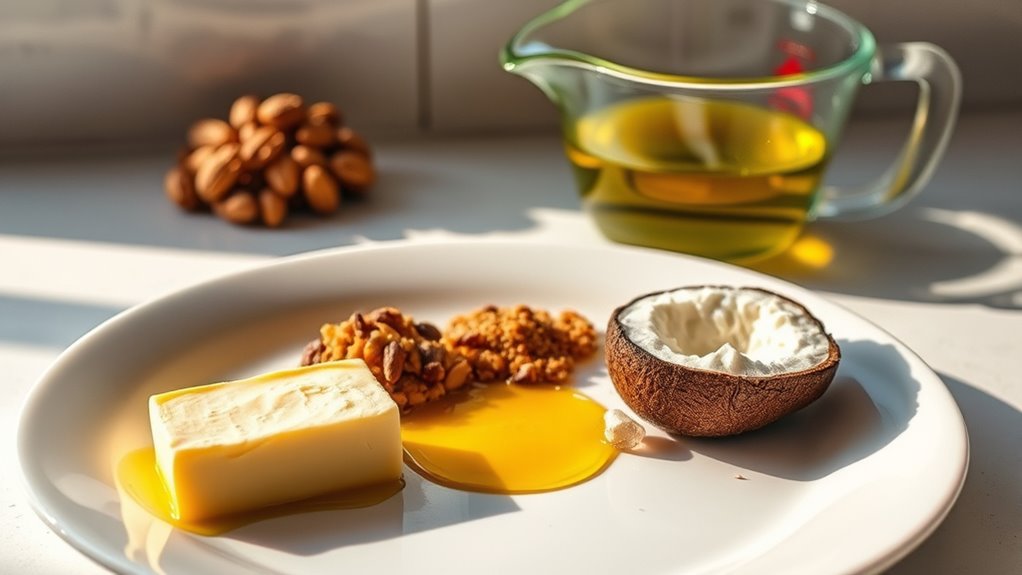

Butter packs about 102 calories per tablespoon, making it comparable in calorie density to many oils. While olive oil contains slightly more at 119 calories, it offers heart-healthy fats. The difference isn’t huge, but the type of fat matters for health. Butter shines in baking and cooking, enhancing flavor that oils can’t always match. If you want to manage your calorie intake while enjoying rich taste, there’s more to contemplate about your fat choices.
Key Takeaways
- One tablespoon of butter contains approximately 102 calories, making it calorie-dense like many oils.
- Olive oil has about 119 calories per tablespoon, showing a slight difference in calorie density compared to butter.
- Both butter and oils contribute significant calories in recipes, influencing dietary choices beyond just calorie counts.
- While butter provides flavor and texture, healthier oils offer essential fatty acids, impacting overall nutritional value.
- Understanding calorie density helps balance flavor preferences with dietary goals, promoting mindful consumption of fats.
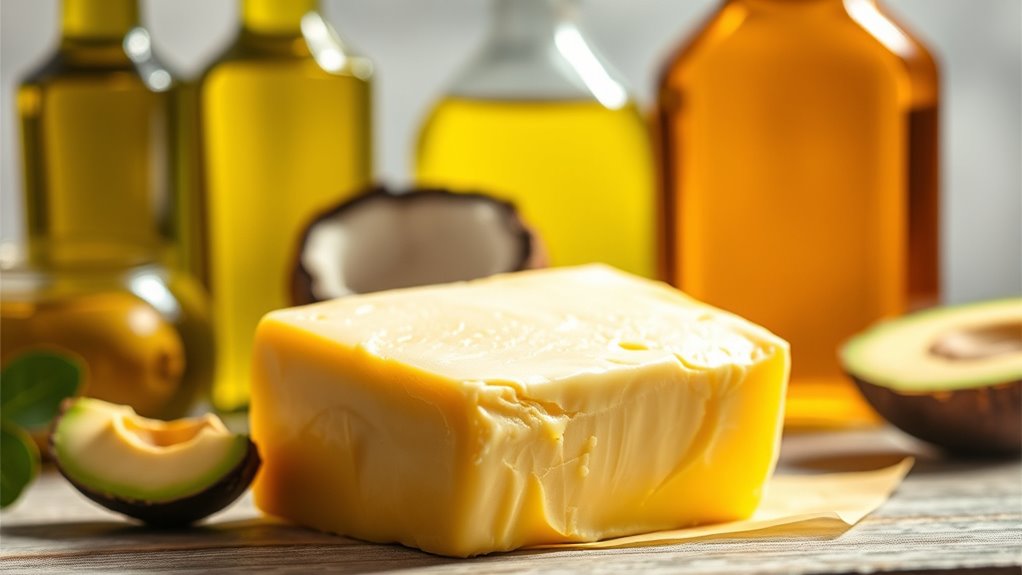
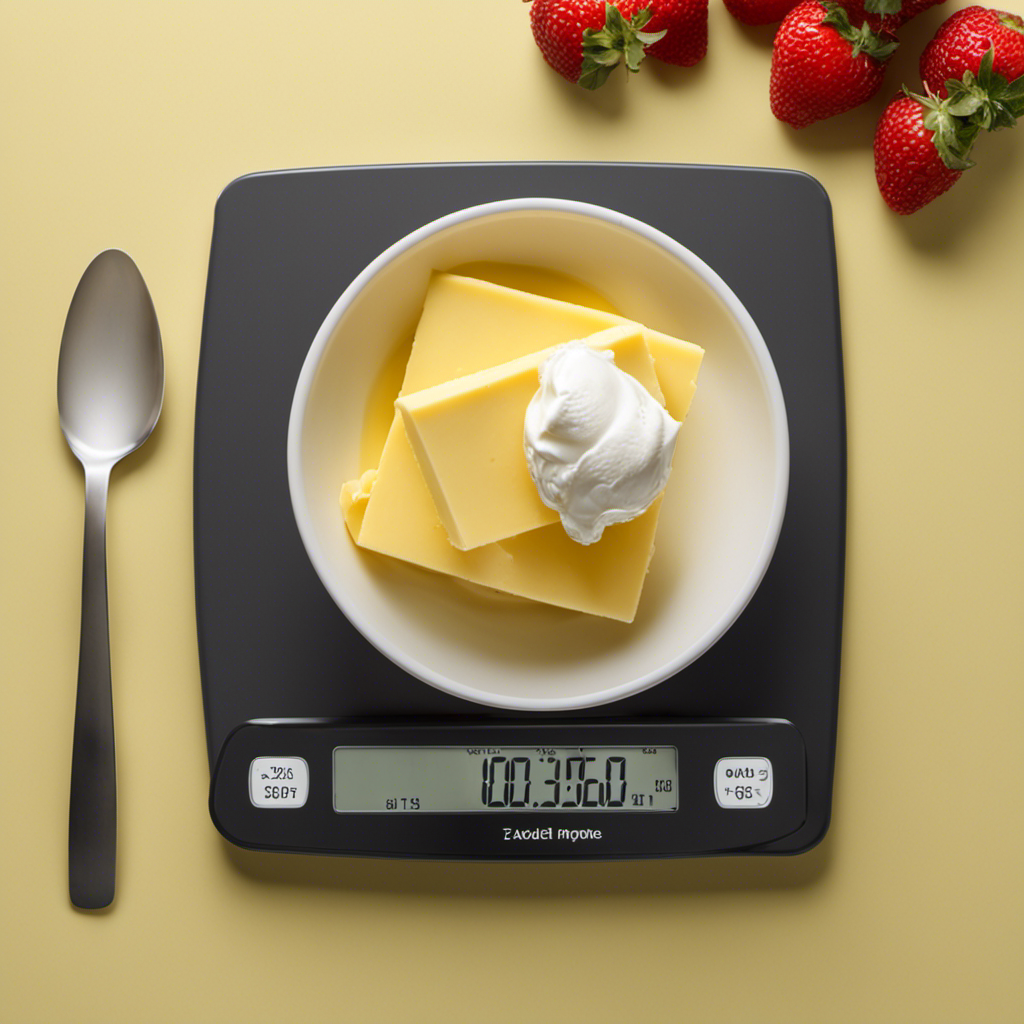
Butter is often celebrated for its rich flavor and creamy texture, but have you ever considered its calorie density? It’s essential to recognize that while butter can elevate your dishes, it also packs quite a punch in terms of calories. Just one tablespoon of butter contains about 102 calories, primarily from fat. When you think about how easily those tablespoons can add up, especially in cooking applications, it’s a reality worth taking note of.
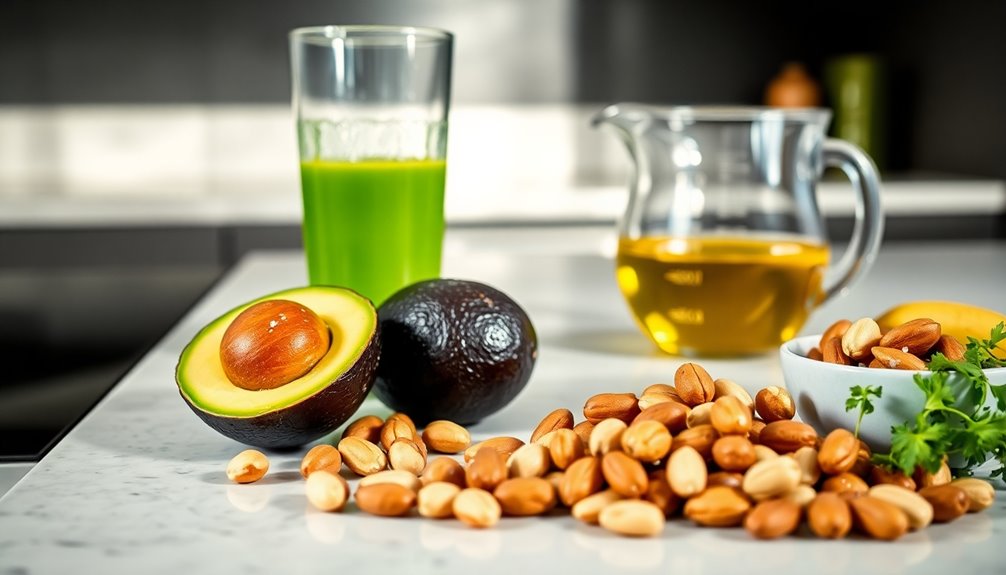
Now, when comparing butter to other fats, you may notice that while it has its unique taste and culinary benefits, the calorie density is quite similar to many oils. For instance, olive oil offers about 119 calories per tablespoon. Despite being slightly higher, olive oil provides heart-healthy monounsaturated fats that can be beneficial for your overall nutritional content. So, if you’re looking at calorie density alone, the difference isn’t dramatic, but it’s the type of fat that can make a difference in your diet.
In various cooking applications, butter shines in ways that some oils can’t replicate. It’s perfect for baking, creating flaky pastries, and enriching sauces. The Maillard reaction, which gives browned food its distinctive flavor, occurs wonderfully with butter. However, if you’re watching your calorie intake, you might want to explore alternatives. For sautéing or drizzling on salads, oils like avocado or canola can offer similar benefits without the extra calories.
Let’s not ignore the nutritional content, either. Butter does contain some vitamins, particularly fat-soluble ones like A, D, E, and K. However, it lacks essential fatty acids and other nutrients you’d find in healthier fats. In contrast, oils like flaxseed or walnut oil bring omega-3 fatty acids into the mix, which are crucial for heart health and overall wellness. Regular audits of your dietary choices can help ensure you’re making informed decisions about fat consumption. Balancing flavors while considering calorie density can be tricky, but you can make informed choices.
Ultimately, understanding the calorie density of butter helps you navigate your culinary landscape more effectively. Whether you choose to use butter for its unmatched flavor or opt for oils for their health benefits, it’s all about balance. You can enjoy the richness of butter while being mindful of its calorie content, ensuring that you maintain a diet that aligns with your health goals. So next time you’re in the kitchen, think about how you can incorporate these insights into your cooking.

Peanut Butter Maker, Nut Butter Machine, 2025 New Electric Nut Butter Maker Machine, Electric Sesame Sauce Nut Grinder with Non-Slip Base Entry, Easy Install Easy to Use,Grinder
Our peanut nut grinder lets you easily grind a variety of nuts and seeds to make smooth.
As an affiliate, we earn on qualifying purchases.
Frequently Asked Questions
How Does Butter Affect Cholesterol Levels Compared to Other Fats?
Butter, rich in saturated fat, can raise your cholesterol levels more than some other fats. When you consume butter, your body absorbs cholesterol more readily, which might lead to higher LDL levels. However, not all saturated fats impact cholesterol the same way; for instance, some plant-based fats may have a more neutral effect. It’s essential to balance your fat sources to support heart health while enjoying your favorite flavors.
Can Butter Be Part of a Weight Loss Diet?
Yes, butter can be part of a weight loss diet if you use it wisely. Incorporating dairy fat like butter in moderation can enhance flavor and satisfaction in your meals, which might help with weight management. Focus on portion control and balance your overall calorie intake. Remember, it’s about fitting butter into a well-rounded diet that includes plenty of fruits, vegetables, lean proteins, and whole grains to support your weight loss goals.
What Are the Health Benefits of Butter?
Butter’s like a warm hug for your taste buds, offering several health benefits. Its nutritional content includes essential vitamins like A, D, E, and K, supporting overall wellness. When you enjoy butter in moderation, it can enhance your absorption of fat-soluble nutrients from other foods. By adjusting your butter consumption habits, you can enjoy its rich flavor while reaping the rewards of its beneficial properties. Just remember, balance is key!
How Does Cooking With Butter Differ From Other Fats?
Cooking with butter enhances flavor in ways that other fats often can’t match. Its rich, creamy profile adds depth to dishes, making it perfect for sautéing or baking. You’ll find that butter browns beautifully, creating a nutty taste that elevates your meals. While other fats have their merits, the unique cooking techniques involving butter—like emulsifying or basting—bring out a distinct richness that simply transforms your culinary creations.
Are There Any Vegan Substitutes for Butter?
Yes, there are great vegan substitutes for butter! You can use vegan butter, which mimics the creamy texture and flavor of dairy butter. Plant-based margarine is another option that works well in baking and cooking. Both alternatives can be found in most grocery stores, making it easy to switch. Just check the labels to verify they’re truly vegan, and you’ll enjoy delicious dishes without any animal products!
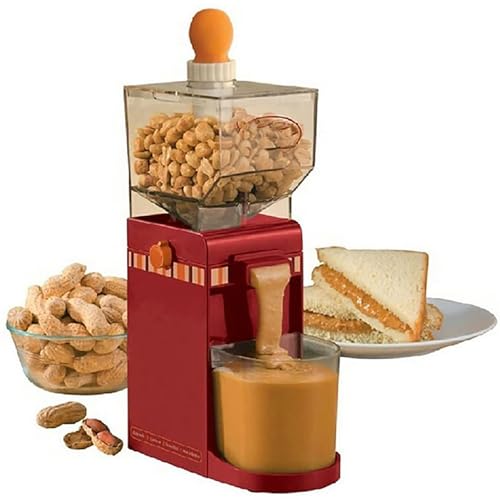
DBXMJWCMDT Electric Nut Grinder Peanut Butter Maker Machine, 500ml Large-Capacity Almond/Cashew/Sesame Grinding Mill with Non-Slip Base, Efficient Home & Commercial Nut Butter Processor
【Homemade Peanut Butter Maker】 This 500ml electric grinder allows you to create fresh, natural peanut butter and nut...
As an affiliate, we earn on qualifying purchases.
Conclusion
In the grand scheme of fats, butter packs quite a punch when it comes to calorie density. While it adds rich flavor to your meals, it’s essential to keep an eye on portion sizes. Remember, moderation is key—don’t throw caution to the wind! By balancing butter with other healthier fats, you can enjoy its taste without tipping the scales too much. So, savor it wisely and keep your diet on the right track!

ZERNEIL Peanut Butter Maker Machine Nut Butter Machine 110V 1100W Electric Grain Grinder Peanut Butter Maker - 33lb/h Sesame Sauce Grinder Home/Commercial for Groundnut, Almond, Cashew Nut and Sesame
🧉【Grinding Assistant】: The 1100W pure copper motor, 2850r/min, and the white jade just grinding wheel used can grind...
As an affiliate, we earn on qualifying purchases.
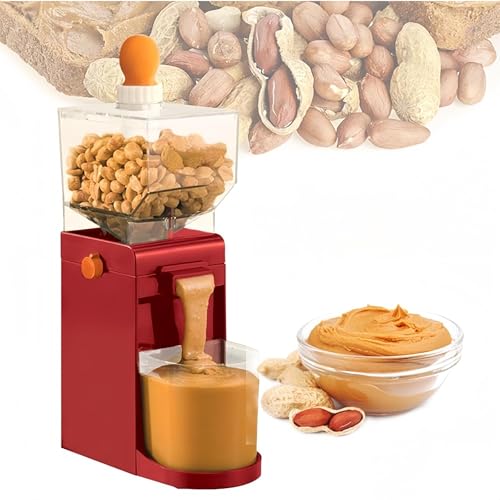
Electric Peanut Butter Maker Machine, Nut Butter Grinder for Almond Cashew Sesame, Large-Capacity Grain Grinder, Home & Commercial Nut Processor with Non-Slip Base
【Fresh Homemade Nut Butter】Ideal for peanuts, almonds, cashews, hazelnuts, seeds, grains—create smooth or chunky spreads for home kitchens...
As an affiliate, we earn on qualifying purchases.