When greasing pans, you can choose between butter and shortening based on your baking goals. Butter adds a rich flavor and promotes browning, enhancing the taste of your baked goods. On the other hand, shortening gives a neutral base that works well for achieving a consistent texture. Depending on what you’re baking, each option has its benefits. If you want to learn how these differences affect your baking outcomes, keep exploring the details ahead.
Key Takeaways
- Butter adds flavor but may lead to browning, which could affect the appearance of baked goods.
- Shortening provides a neutral taste and can help create a more consistent greasing surface.
- Butter’s milk solids can sometimes cause sticking if not applied evenly.
- Shortening has a higher melting point, which can be beneficial for maintaining the greased surface during baking.
- Both fats can be used, but personal preference and desired outcomes should guide the choice.
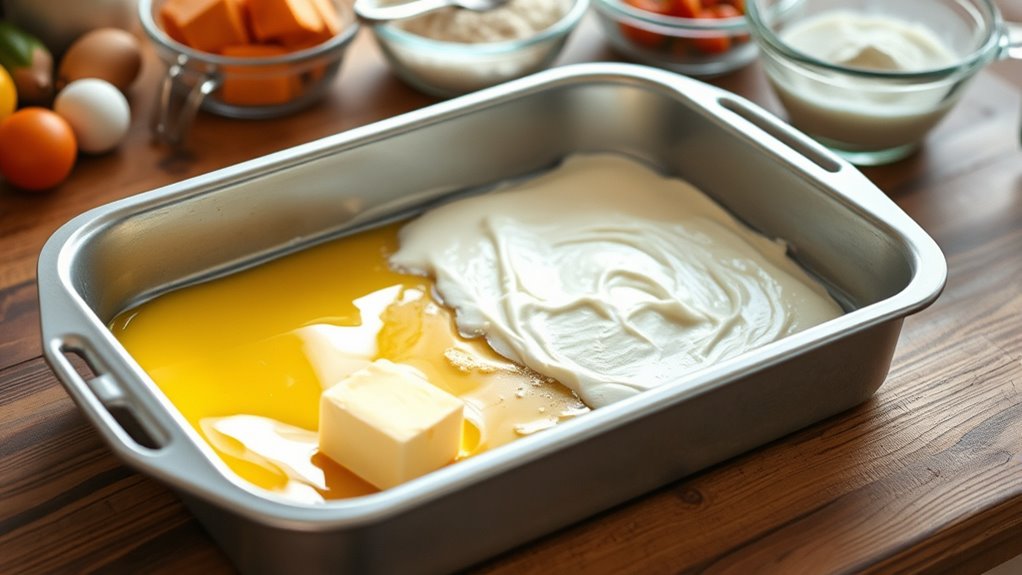
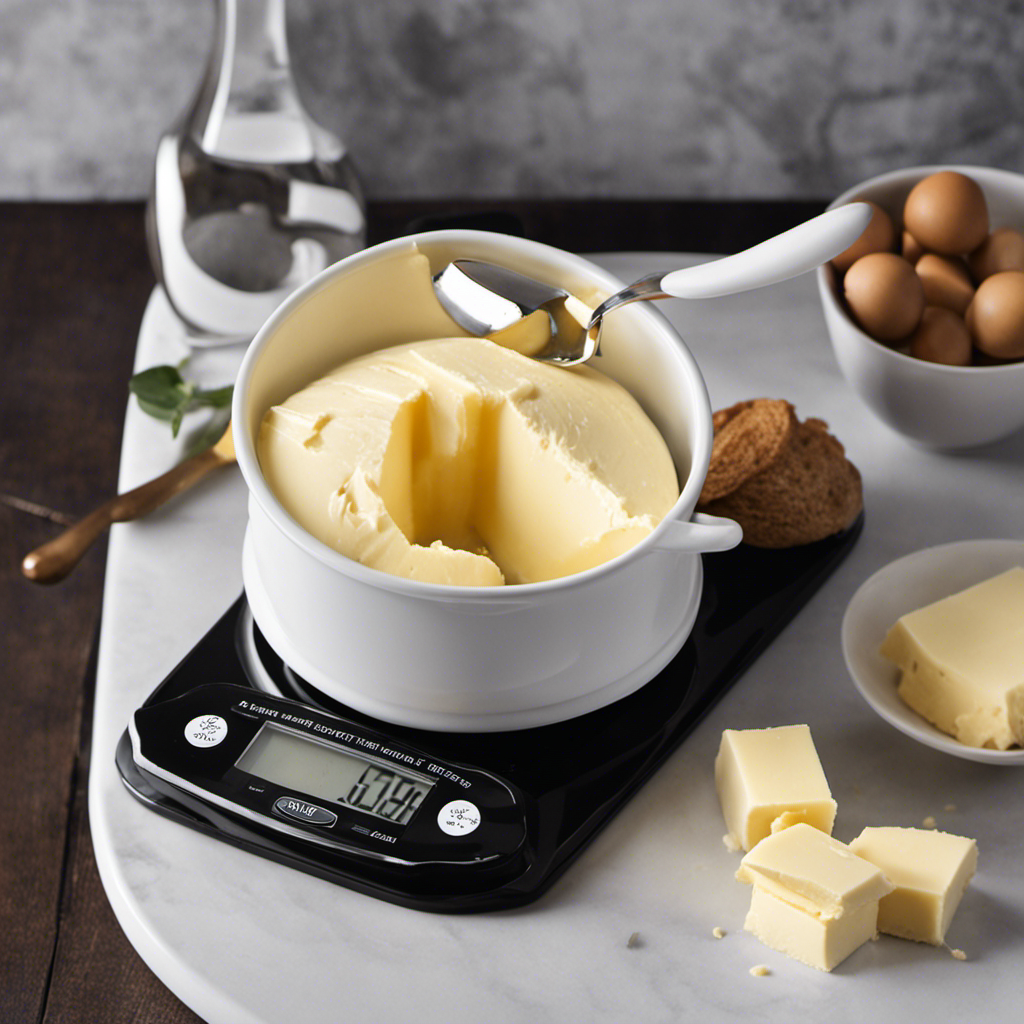
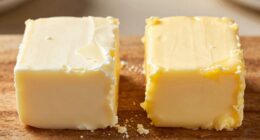
When it comes to greasing pans, choosing between butter and shortening can make a significant difference in your baking results. You might be tempted to reach for whichever option is closest, but taking a moment to consider their unique qualities can elevate your baked goods. Butter adds a rich, creamy baking flavor that many people adore. It’s hard to beat that delicious taste, especially when you’re making cookies or cakes. The natural milk solids in butter can also contribute to a beautiful golden crust, enhancing the overall appearance of your treats.
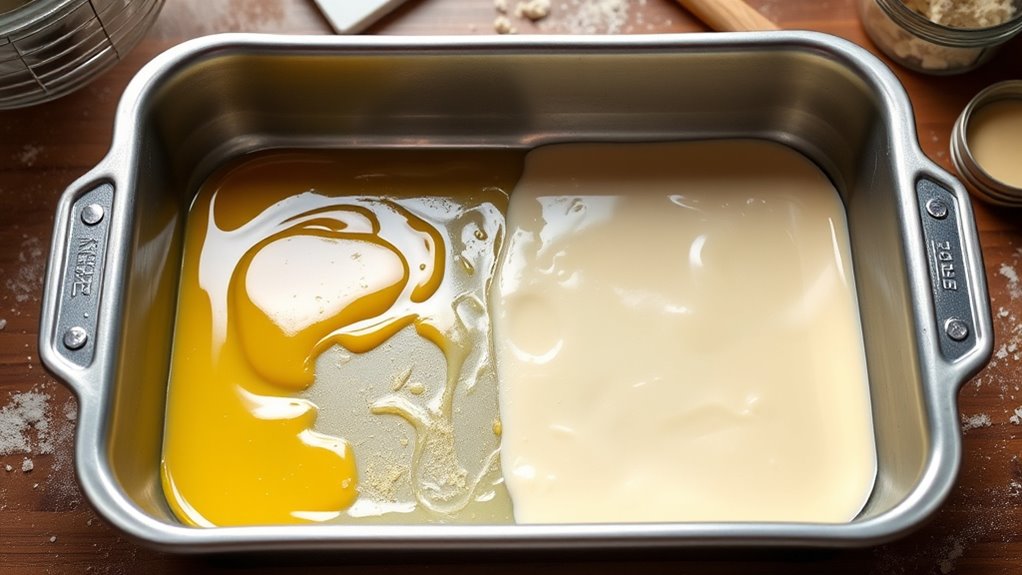
Choosing between butter and shortening for greasing pans can elevate your baked goods with unique flavors and textures.
On the other hand, shortening has its perks too. It’s a fat that’s typically made from vegetable oils, and it’s known for its ability to create a tender, flaky texture in baked goods. If you’re making pie crusts or biscuits, you might find that shortening helps achieve that coveted flakiness. Plus, it has a higher melting point than butter, which can be beneficial when you need your batter to hold its shape, particularly in cookies.
Another factor to consider is the shelf life of these two options. Butter, being a dairy product, has a shorter shelf life and must be stored in the refrigerator to prevent spoilage. If you don’t bake often, you might find that butter can go bad before you get a chance to use it all. Shortening, however, has a much longer shelf life and can be stored at room temperature. This makes it more convenient for those who don’t bake all the time but still want to be prepared for last-minute baking sessions.
When it comes down to it, the choice between butter and shortening for greasing pans often boils down to personal preference. If you love that unmistakable baking flavor of butter, then go for it. Just keep in mind that you might need to adjust your baking times slightly, as butter can make your baked goods brown faster. If you’re looking for a more neutral taste and a longer shelf life, shortening might be your best bet. Ultimately, experiment with both to find out what works best for your recipes. Both fats have their merits; it’s all about what you want to achieve in your baking. Additionally, using butter can provide hydration and nourishment to your baked goods, enhancing their overall texture and flavor.
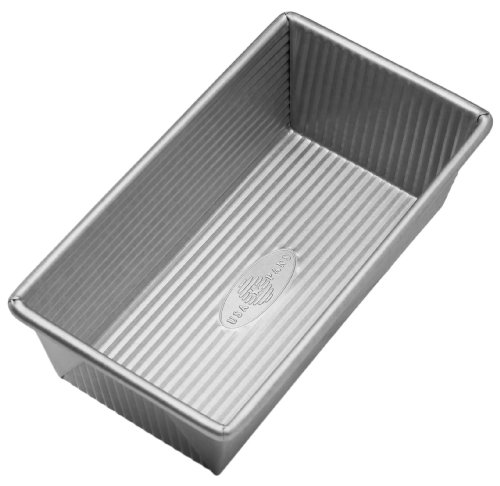
USA Pan Nonstick Standard Bread Loaf Pan, 1 Pound, Aluminized Steel
USA Pan standard commercial gauge folded loaf pan is ideal for quick breads, yeast breads, pound cakes or…
As an affiliate, we earn on qualifying purchases.
As an affiliate, we earn on qualifying purchases.
Frequently Asked Questions
Can I Use Olive Oil Instead of Butter or Shortening?
Yes, you can use olive oil as a substitution for butter or shortening. It’ll effectively grease your pans and can give your baked goods a unique flavor impact. However, keep in mind that olive oil has a distinct taste that might alter the final product, especially in sweet recipes. If you’re okay with a hint of that flavor, go ahead and use it—just adjust the amount slightly, since it’s more liquid.
How Should I Store Leftover Shortening?
To store leftover shortening, keep it in an airtight container to maintain freshness. You can leave it at room temperature in a cool, dark place for short-term use, but for longer shelf life, refrigerate it. Just make sure it’s sealed tightly to prevent it from absorbing odors. If you notice any off smells or changes in texture, it’s best to discard it. Following these storage tips will help you keep your shortening usable longer.
Does Using Butter Affect Flavor More Than Shortening?
Using butter definitely impacts flavor more than shortening, like adding a dash of sunshine to a cloudy day. Butter brings a rich, creamy taste that enhances your baked goods, making them more delicious. In contrast, shortening offers a more neutral flavor, focusing on texture differences. While shortening helps achieve a tender, flaky texture, butter’s flavor elevates the overall experience, making your treats unforgettable. Choose wisely based on what you want to highlight!
Can I Mix Butter and Shortening for Greasing?
Yes, you can mix butter and shortening for greasing! This combination gives you a great balance of flavor impact and greasing consistency. The butter adds a delicious richness, while the shortening helps create a smooth surface that prevents sticking. Just remember to adjust the proportions according to your taste preferences and the recipe requirements. With this mix, you’ll enjoy both the taste and the ease of greasing your pans effectively.
Is Vegetable Shortening Vegan-Friendly?
Yes, vegetable shortening is generally vegan-friendly since it doesn’t contain animal products. Think about all the vegan substitutes you can use in your cooking; shortening fits right in! However, check the label to confirm there aren’t any hidden ingredients. Some brands might add things that aren’t vegan, so it’s always smart to double-check. By choosing vegetable shortening, you can enjoy your recipes without compromising your vegan lifestyle.

Crisco All-Vegetable Shortening, 16 Ounce
The original. The classic blue can no pantry should be without. Use it for baking, frying, or just…
As an affiliate, we earn on qualifying purchases.
As an affiliate, we earn on qualifying purchases.
Conclusion
In the battle of butter versus shortening for greasing pans, both bring their own charm to the kitchen. If you crave that creamy, classic flavor, butter’s your best bet. But for a reliable, resilient release, shortening shines. Ultimately, it’s about your personal preference and the recipe at hand. So, whether you choose to slather or spread, just remember: a well-greased pan leads to perfect pastries and delightful desserts every time!

La Tourangelle All Purpose Baking Spray, Gluten Free, Non Stick, 147 ML
Gluten-Free: La Tourangelle Baking Spray is gluten-free. Many other baking sprays contain flour to keep them non-stick, however…
As an affiliate, we earn on qualifying purchases.
As an affiliate, we earn on qualifying purchases.
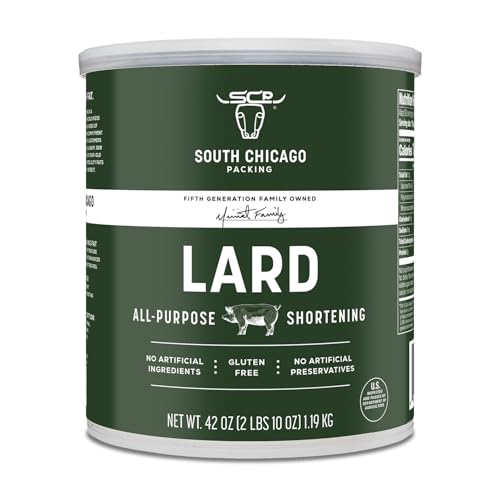
South Chicago Packing Traditonal LARD Shortening, 42 Ounces, Specialty Baking Shortening and Cooking Fat
One 42 Ounce Can of SCP LARD specialty baking shortening and cooking fat
As an affiliate, we earn on qualifying purchases.
As an affiliate, we earn on qualifying purchases.