
Butter’s your secret weapon for creating stunning sauces like Hollandaise and its derivatives. It adds a rich, creamy mouthfeel and enhances flavors, turning simple ingredients into extraordinary dishes. By whisking egg yolks with acid and gradually incorporating melted butter, you achieve a silky, stable emulsion. The temperature of your butter is essential—it must be just right to avoid breaking the sauce. Discover how to master these techniques to elevate your culinary creations even further.
Key Takeaways
- Butter is essential in Hollandaise sauce, providing richness and a creamy mouthfeel that enhances overall flavor profiles.
- Emulsification techniques, involving egg yolks and butter, create a silky texture crucial for Hollandaise and its derivatives.
- The temperature of butter affects emulsion stability; adding it gradually while whisking ensures a cohesive sauce.
- Variations of Hollandaise can incorporate clarified butter or compound butters for added depth and unique flavor twists.
- Proper presentation of Hollandaise sauces is vital; texture and color contribute significantly to visual appeal on the plate.

Butter plays an essential role in enhancing the flavors and textures of sauces. When you think of classic sauces like Hollandaise, butter isn’t just an ingredient; it’s the backbone that brings everything together. The rich, creamy texture of butter helps to create that luxurious mouthfeel that you crave in a well-made sauce. It’s not just about the fat; it’s about how the fat interacts with other components in your sauce, transforming simple flavors into something extraordinary.
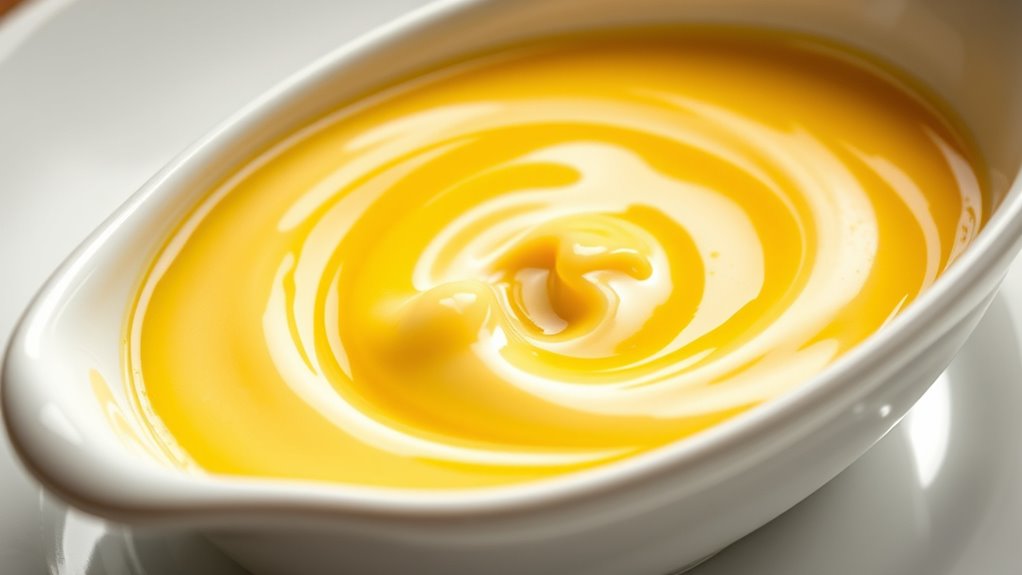
When you’re working with sauces like Hollandaise, you’re diving into the world of emulsification techniques. This process is fundamental for achieving that silky smooth consistency that defines such sauces. You start by whisking egg yolks with an acid, often lemon juice or vinegar. As you add melted butter, you’re not just incorporating fat; you’re creating a stable emulsion that holds your sauce together. This is where butter truly shines—it acts as a binding agent that helps the water and fat phases mix seamlessly, resulting in a sauce that’s both thick and airy.
Mastering emulsification techniques with butter is key to achieving the silky smoothness of sauces like Hollandaise.
You might find that the temperature of your butter matters more than you think. If it’s too hot, it can break the emulsion; if it’s too cool, it won’t incorporate properly. The key is to add the butter slowly while whisking vigorously. This gradual incorporation allows the emulsification to happen smoothly, creating a luscious sauce that clings to your food beautifully. As you master these techniques, you’ll notice how much flavor enhancement butter provides. It deepens the overall taste, making your sauces not just palatable but memorable.
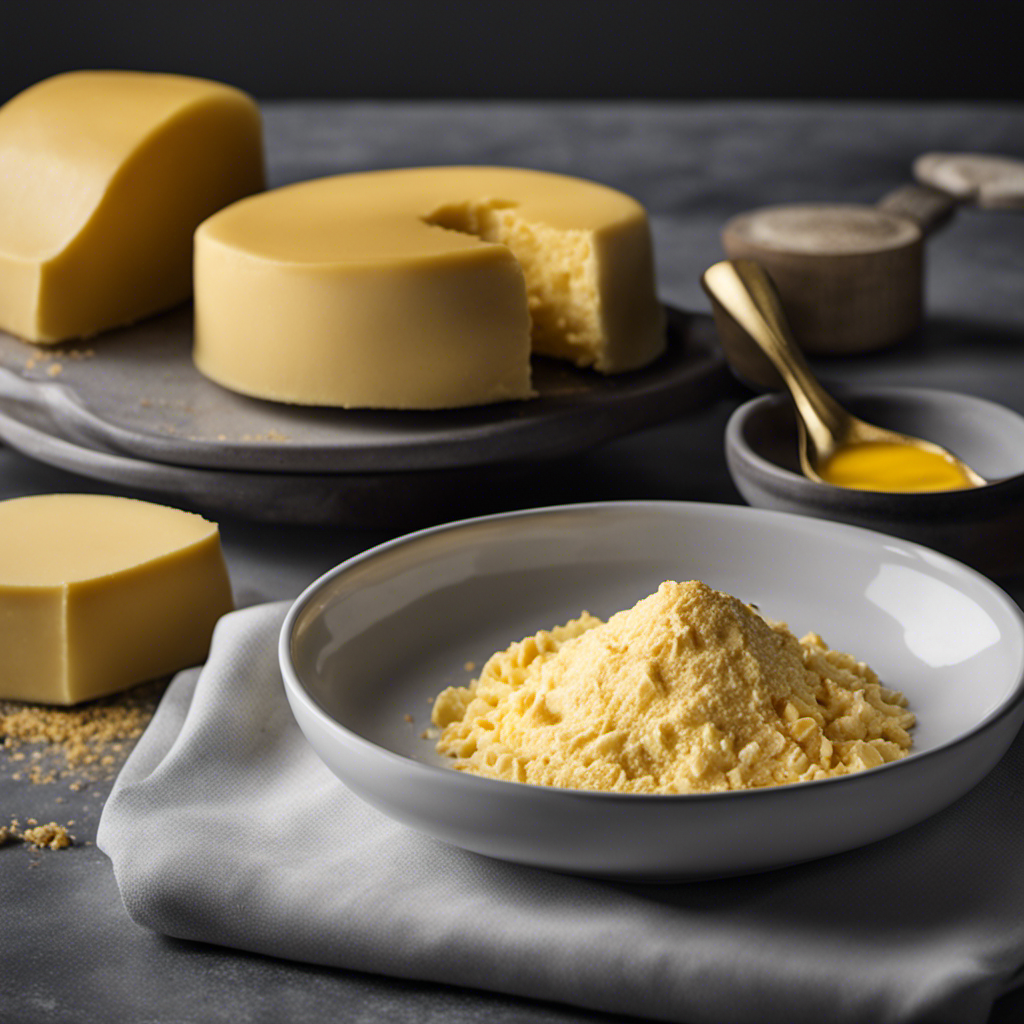
Experimenting with different types of butter can also yield interesting results. For instance, using clarified butter can elevate the purity of flavors in your sauce, while compound butters infused with herbs or spices can add an exciting twist. This versatility means you can customize your sauces in countless ways, enhancing the dining experience for you and your guests. Furthermore, understanding the role of color accuracy can help you choose the right plating techniques to showcase your sauce beautifully.

Peanut Butter Maker, Nut Butter Machine, 2025 New Electric Nut Butter Maker Machine, Electric Sesame Sauce Nut Grinder with Non-Slip Base Entry, Easy Install Easy to Use,Grinder
Our peanut nut grinder lets you easily grind a variety of nuts and seeds to make smooth.
As an affiliate, we earn on qualifying purchases.
Frequently Asked Questions
Can I Substitute Margarine for Butter in Hollandaise Sauce?
Yes, you can use margarine instead of butter in hollandaise sauce, but expect some flavor differences. Margarine’s taste isn’t as rich or creamy as butter, which might affect the overall quality of your sauce. If you’re aiming for a similar texture, choose a high-quality margarine. Keep in mind that the subtle nuances in flavor can change the dish, so it’s best to experiment and see what works for your palate.
What Type of Butter Is Best for Making Sauces?
For making sauces, you’ll want to use unsalted butter. It provides the clarity of flavor you need, allowing other ingredients to shine through. Look for high-quality butter with a good melting point, as this ensures a smooth, creamy texture in your sauce. Avoid margarine or low-fat options, as they can compromise flavor and consistency. By choosing the right butter, you’ll elevate your sauces to a whole new level.
How Long Can Hollandaise Sauce Be Stored in the Fridge?
You can store hollandaise sauce in the fridge for up to two days. Remarkably, homemade hollandaise has a 50% chance of spoiling within that time, so it’s essential to check for spoilage signs. If you notice any off smells, separation, or unusual texture, it’s best to discard it. To maximize freshness, consider using an airtight container and consuming it sooner rather than later for the best flavor and safety.
Can Hollandaise Be Frozen for Later Use?
You shouldn’t freeze hollandaise sauce if you want to maintain its creamy texture. Freezing can cause it to separate and become grainy. If you decide to try it, use airtight containers and label them with freezing tips and storage guidelines. When thawing, do it slowly in the fridge and gently reheat while whisking to help restore the consistency. However, for the best flavor and texture, it’s best to enjoy it fresh!
Are There Vegan Alternatives to Butter in Hollandaise Sauces?
“You can’t make an omelet without breaking eggs,” but you can create a delicious vegan hollandaise! For a plant-based alternative, use vegan butter combined with plant-based emulsifiers like soy lecithin or aquafaba. These ingredients mimic the creamy texture of traditional hollandaise while keeping it completely vegan. Experiment with flavors by adding lemon juice or nutritional yeast to enhance the taste. You’ll enjoy a rich sauce that’s perfect for drizzling over your favorite dishes!
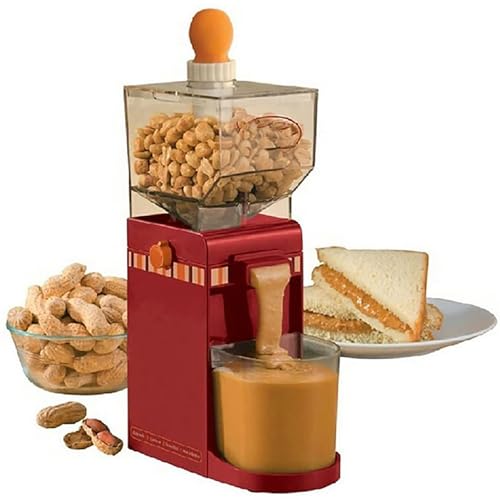
DBXMJWCMDT Electric Nut Grinder Peanut Butter Maker Machine, 500ml Large-Capacity Almond/Cashew/Sesame Grinding Mill with Non-Slip Base, Efficient Home & Commercial Nut Butter Processor
【Homemade Peanut Butter Maker】 This 500ml electric grinder allows you to create fresh, natural peanut butter and nut...
As an affiliate, we earn on qualifying purchases.
Conclusion
Incorporating butter into sauces like hollandaise elevates both flavor and texture, making your dishes irresistible. Did you know that about 30% of professional chefs consider hollandaise one of the top five sauces in French cuisine? With its rich, creamy consistency and velvety finish, butter’s role in these sauces can’t be overstated. So, next time you’re whipping up a classic hollandaise or its derivatives, remember: it’s all about that luscious butter that brings it to life!

ZERNEIL Peanut Butter Maker Machine Nut Butter Machine 110V 1100W Electric Grain Grinder Peanut Butter Maker - 33lb/h Sesame Sauce Grinder Home/Commercial for Groundnut, Almond, Cashew Nut and Sesame
🧉【Grinding Assistant】: The 1100W pure copper motor, 2850r/min, and the white jade just grinding wheel used can grind...
As an affiliate, we earn on qualifying purchases.
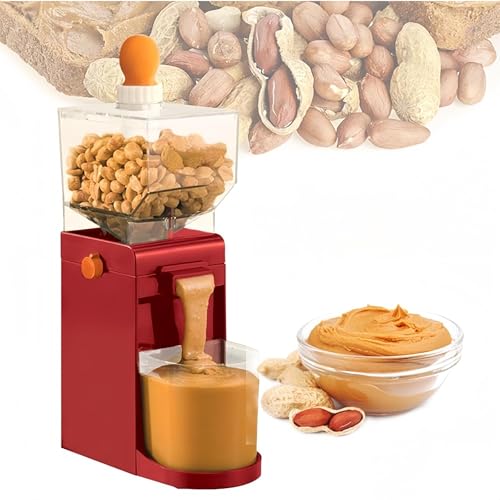
Electric Peanut Butter Maker Machine, Nut Butter Grinder for Almond Cashew Sesame, Large-Capacity Grain Grinder, Home & Commercial Nut Processor with Non-Slip Base
【Fresh Homemade Nut Butter】Ideal for peanuts, almonds, cashews, hazelnuts, seeds, grains—create smooth or chunky spreads for home kitchens...
As an affiliate, we earn on qualifying purchases.