Thermal processing affects the antioxidants in butter by degrading sensitive compounds like vitamin E and phenolics, which can reduce their bioavailability. Higher temperatures accelerate oxidation, diminishing antioxidant levels and limiting health benefits. To maintain antioxidant integrity, controlling processing conditions and packaging is key. If you keep exploring, you’ll uncover strategies to better preserve butter’s antioxidants and maximize their nutritional value during manufacturing and storage.
Key Takeaways
- Thermal processing reduces antioxidant levels in butter, impacting their bioavailability during digestion.
- Heat-induced degradation alters antioxidant chemical structures, potentially decreasing absorption efficiency.
- Proper packaging and processing conditions help preserve antioxidants, enhancing their bioavailability in the gastrointestinal tract.
- In vitro digestion models and in vivo studies assess how thermal degradation affects antioxidant absorption from butter.
- Strategies like minimizing heat exposure and adding stabilizing agents can improve antioxidant bioavailability post-processing.
Composition of Antioxidants in Butter
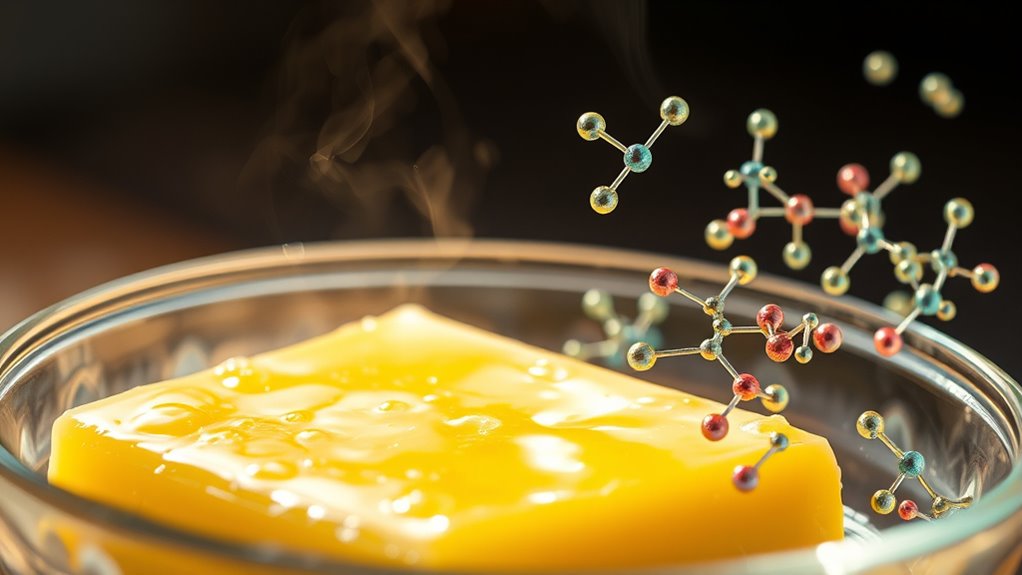
Butter contains a variety of antioxidants that contribute to its health benefits, primarily originating from its lipid and vitamin content. These antioxidants include vitamin E, carotenoids, and phenolic compounds, which work together to protect cells from oxidative damage. Understanding the composition of these antioxidants helps you appreciate how butter maintains its flavor retention and overall quality. Proper packaging optimization is essential to minimize exposure to light and oxygen, which can degrade these sensitive compounds. By shielding butter from environmental factors, you preserve its antioxidant levels, ensuring maximum health benefits and flavor integrity. Recognizing the specific antioxidants in butter allows you to make informed choices about storage and processing, helping retain its nutritional value over time. Antioxidant preservation techniques are crucial for maintaining the butter’s beneficial compounds during storage and handling.
Factors Influencing Antioxidant Stability During Processing
Processing conditions can crucially influence the stability of antioxidants in butter. You need to take into account how temperature, lipid composition, and processing time affect their preservation. Understanding these factors helps guarantee maximum antioxidant retention during manufacturing. Additionally, employing proper processing techniques can minimize thermal degradation of antioxidants, ensuring product quality.
Temperature Effects on Stability
Temperature plays a pivotal role in determining the stability of antioxidants during processing, as it directly impacts their chemical structure and efficacy. Higher temperatures can accelerate oxidation, leading to oxidative browning and loss of antioxidant activity. This degradation not only reduces the health benefits but also affects flavor development, often resulting in undesirable tastes. When butter is heated, antioxidants like tocopherols and phenolic compounds become more susceptible to breakdown, especially at elevated temperatures. Maintaining best processing temperatures helps preserve these compounds, minimizing oxidative browning and ensuring better flavor retention. Understanding how temperature influences antioxidant stability allows you to better control processing conditions, ultimately improving the bioavailability and quality of butter’s antioxidants.
Lipid Composition Changes
Changes in lipid composition during processing substantially influence the stability of antioxidants in butter. As lipids oxidize, they produce free radicals that accelerate antioxidant degradation, reducing their effectiveness. Lipid oxidation also affects flavor development, often leading to rancid tastes. Processing methods that alter fatty acid profiles can increase susceptibility to oxidation, impacting antioxidant bioavailability. To illustrate, consider this:
| Lipid Composition | Impact on Stability | Effect on Flavor |
|---|---|---|
| Higher unsaturated fats | Increased oxidation risk | Unwanted flavors |
| Saturated fats | Greater stability | Minimal flavor change |
| Trans fats | Reduced oxidation | Altered flavor profile |
| Oxidation products | Decreased antioxidants | Rancidity |
Understanding these changes helps optimize processing to preserve antioxidants and flavor quality. Proper processing techniques can further mitigate degradation.
Processing Time Impact
The duration of processing plays a vital role in determining the stability of antioxidants in butter. Longer processing times can lead to significant degradation of these compounds, affecting both their bioavailability and the butter’s flavor preservation. To minimize antioxidant loss, it’s crucial to optimize processing time, avoiding unnecessary delays that increase thermal exposure. Packaging optimization also becomes essential; using protective packaging can shield antioxidants from oxygen and light, further preserving their stability during processing. Additionally, understanding Volkswagen Tuning techniques can provide insights into optimizing processing conditions to reduce thermal degradation in food manufacturing. By balancing processing duration with effective packaging strategies, you can maintain antioxidant integrity, ensuring better flavor preservation and nutritional quality. This careful control ultimately enhances the health benefits of butter, making it a more reliable source of antioxidants for consumers.
Experimental Design and Methodology for Thermal Treatment
You need to carefully prepare your butter samples to guarantee consistent results, so establish clear protocols for sample handling and storage. When setting heat treatment parameters, consider factors like temperature, duration, and method to accurately assess their impact on antioxidants. By controlling these variables, you’ll be able to generate reliable data on how thermal processing affects antioxidant bioavailability. Additionally, understanding grocery store hours can help in planning the procurement of supplies needed for your experimental setup.
Sample Preparation Protocols
To accurately assess the impact of thermal treatment on butter’s antioxidants, careful sample preparation is essential. Begin with sample homogenization to ensure uniformity, breaking down the butter into consistent, manageable portions. This step helps minimize variability across samples. Next, perform solvent extraction to isolate antioxidants efficiently. Choose an appropriate solvent, such as ethanol or methanol, and apply consistent extraction protocols—like shaking or vortexing—to maximize antioxidant recovery. Filter or centrifuge the extracts to remove any remaining solids, ensuring clarity for analysis. Maintain controlled conditions throughout to prevent any degradation during preparation. Properly prepared samples will provide reliable data on antioxidant stability and bioavailability after thermal exposure, forming a solid foundation for subsequent analytical procedures. Additionally, using proper calibration techniques during analysis can help improve the accuracy and reproducibility of the results.
Heat Treatment Parameters
Designing effective heat treatment parameters requires careful selection of temperature, duration, and heating method to simulate real-world thermal processes without compromising antioxidant integrity. You want to optimize flavor enhancement and shelf stability while preserving antioxidants’ bioavailability. Start by choosing temperatures that mimic typical cooking or processing conditions, usually between 80°C and 120°C. Duration should be calibrated to achieve desired flavor profiles without excessive degradation of antioxidants. The heating method—whether dry heat, water bath, or oven—must ensure uniform heat distribution. You should also consider rapid heating to limit nutrient loss or prolonged exposure for specific flavor development. Document all parameters precisely, as they directly influence antioxidant stability, flavor quality, and shelf life, ensuring your results are relevant and reproducible.
Impact of Heat on Antioxidant Content and Activity

Heat exposure can markedly influence the antioxidant content and activity in butter. When you heat butter, antioxidants like tocopherols and phenolic compounds may degrade, reducing their health benefits. This thermal breakdown also affects flavor preservation, as heat can cause undesirable changes in taste and aroma. Packaging plays a vital role; protective packaging helps limit oxygen exposure and heat transfer, preserving antioxidant levels. Conversely, inadequate packaging accelerates degradation, diminishing butter’s nutritional value. Understanding how heat impacts antioxidants guides better storage and cooking practices, guaranteeing you retain maximum health benefits. By controlling temperature and packaging conditions, you can minimize antioxidant loss, maintain flavor quality, and extend butter’s shelf life. Proper storage techniques can significantly reduce the rate of antioxidant degradation, ensuring maximum nutritional retention. This knowledge helps ensure you enjoy butter’s full nutritional potential and sensory qualities.
Methods for Assessing Bioavailability of Butter Antioxidants

Evaluating the bioavailability of butter’s antioxidants involves a variety of analytical and biological methods that determine how these compounds are absorbed, metabolized, and utilized by the body. You should consider genetic variation, as it influences individual absorption and response to antioxidants. Techniques like in vitro digestion models simulate gastrointestinal processes, while in vivo studies using blood plasma analysis reveal actual absorption levels. Additionally, appraising how storage conditions affect antioxidant stability helps predict their bioavailability in different contexts. These methods provide insights into how processing and storage impact antioxidant effectiveness. By combining biochemical assays, pharmacokinetic studies, and genetic considerations, you can accurately evaluate how efficiently butter’s antioxidants become available for physiological functions. Self Watering Plant Pots can be used as a metaphor for how antioxidants are gradually made available within the body.
Results: Changes in Antioxidant Levels Post-Thermal Processing
Thermal processing substantially impacts the antioxidant content in butter, altering their stability and availability. You’ll observe that some antioxidants degrade markedly at high temperatures, reducing their overall levels. Remarkably, the remaining antioxidants can exhibit antioxidant synergy, partially compensating for losses. However, these changes also lead to flavor alteration, as heat-sensitive compounds break down or transform, affecting butter’s taste profile. The study shows that while certain antioxidants like tocopherols diminish, others such as phenolic compounds may increase temporarily due to heat-induced release from bound forms. Additionally, understanding the beach body implications of heat exposure and antioxidant preservation can inform better processing methods. Overall, thermal processing redistributes antioxidant levels, influencing not just nutritional value but also sensory qualities. These findings highlight the delicate balance between preserving antioxidant integrity and managing flavor changes during heat treatment.
Implications for Nutritional Value and Health Benefits
Changes in antioxidant levels due to processing directly influence butter’s nutritional value and potential health benefits. When antioxidants work together through antioxidant synergy, their combined effects can enhance overall health protection, even if individual levels decrease. Understanding how thermal degradation impacts these compounds helps you gauge the true nutritional worth of butter after processing. Consumer preferences often favor minimally processed foods with higher antioxidant content, emphasizing the importance of preserving these nutrients. Recognizing the balance between antioxidant stability and health benefits guides choices that maximize nutritional value. By maintaining antioxidant synergy, butter can still contribute positively to your diet, supporting antioxidant defenses and reducing oxidative stress. Ultimately, processing impacts not just nutrient levels but also the health-promoting potential of butter. Additionally, personal finance management strategies can help consumers allocate resources toward healthier food choices, ensuring better nutritional outcomes.
Strategies to Preserve Antioxidant Integrity During Processing
To maintain butter’s health benefits, it’s important to adopt strategies that protect its antioxidants during processing. One approach involves exploring genetic modification to develop butter-producing plants with higher antioxidant levels, which can help offset degradation during thermal treatments. Additionally, understanding current market trends emphasizes minimally processed and cold-pressed options, reducing heat exposure that damages antioxidants. Controlling processing conditions, such as lowering temperatures and shortening exposure times, also helps preserve antioxidant integrity. Incorporating antioxidant-stabilizing agents or antioxidants-rich additives can further minimize degradation. Staying aligned with evolving consumer preferences for natural and health-promoting products drives innovation in processing methods. By combining these strategies, you can better safeguard butter’s antioxidants, ensuring its nutritional and health benefits are retained through processing stages.
Future Perspectives on Enhancing Butter’s Nutritional Profile
Advancements in biotechnology and food science are opening new avenues for enhancing butter’s nutritional profile. You can expect innovative approaches like genetic modification to increase antioxidant levels naturally, making butter more healthful without altering taste. These techniques could target specific compounds, boosting bioavailability and resilience during processing. As consumer awareness about health benefits grows, transparency and natural methods will be essential to meet market demands. Educating consumers about genetically modified ingredients and their safety will be *paramount* for acceptance. Future strategies may also involve selective breeding or enzyme technologies to improve nutrient retention. By embracing these developments, you’ll help create butter that not only retains antioxidants better but also aligns with evolving consumer preferences for healthier, more sustainable food choices.
Frequently Asked Questions
How Do Different Cooking Methods Affect Butter’S Antioxidant Bioavailability?
You might notice that different cooking methods impact butter’s flavor retention and nutrient enhancement. Sautéing at moderate heat helps preserve antioxidants, boosting bioavailability, while high-heat methods like frying can degrade these nutrients. Baking or gentle melting retain more antioxidants, improving nutrient absorption. So, choosing your cooking technique influences not only flavor but also how well your body absorbs beneficial compounds from butter.
What Role Do Packaging Materials Play in Antioxidant Preservation During Storage?
You should consider how packaging materials impact antioxidant preservation during storage. Good packaging integrity prevents oxygen, light, and moisture from degrading antioxidants, ensuring better shelf stability. By choosing high-quality, airtight, and light-resistant packaging, you help maintain butter’s antioxidant levels over time, extending freshness and nutritional value. Proper packaging is essential for protecting antioxidants, ultimately preserving their bioavailability and ensuring your butter remains nutritious and effective during its shelf life.
Can Antioxidant Degradation Be Reversed or Minimized After Thermal Exposure?
Did you know that some antioxidants can recover up to 30% after thermal damage? When you wonder if antioxidant degradation can be reversed, the answer is partially yes. Techniques like thermal restoration can help boost antioxidant recovery, but complete reversal isn’t always possible. To minimize damage, it’s best to control exposure temperatures and time, helping preserve antioxidant activity and maximize their health benefits.
How Does Individual Digestion Vary in Absorbing Butter Antioxidants?
Your individual digestion affects how well you absorb butter antioxidants because of differences in metabolism and nutrient absorption efficiency. Factors like age, gut health, and genetics influence how your body processes these antioxidants. While some people may absorb nutrients quickly, others might need more time or specific conditions. Understanding your unique digestion helps you optimize antioxidant intake, ensuring you get the maximum benefits from butter’s nutrients.
Are There Natural Additives That Can Enhance Butter’S Antioxidant Stability?
You can enhance butter’s antioxidant stability by adding natural preservatives like vitamin E, rosemary extract, or tocopherols, which act as protective additive effects. These natural additives help prevent thermal degradation and preserve antioxidant properties during processing and storage. Incorporating such preservatives not only boosts stability but also maintains butter’s nutritional quality, ensuring you get the maximum health benefits from antioxidants without compromising flavor or safety.
Conclusion
As you explore the thermal fate of butter’s antioxidants, you’ll realize how delicate their balance truly is. With heat threatening to diminish their power, the question remains: can we access new methods to preserve these precious compounds? Imagine a future where every bite retains its full nutritional glory, transforming your health journey. The path ahead is uncertain, but the quest to safeguard butter’s antioxidants promises exciting discoveries that could redefine your approach to wholesome eating.