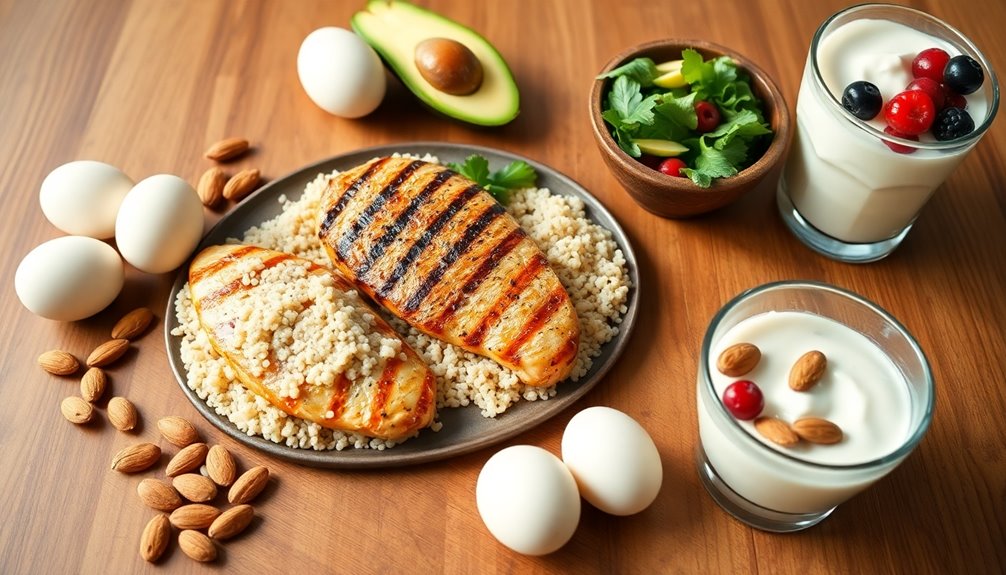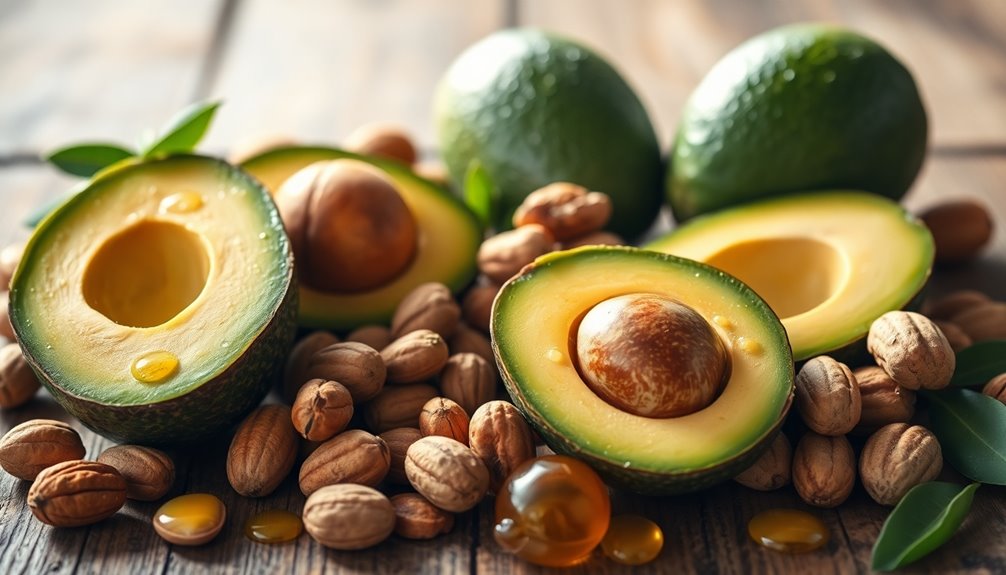
To maximize the absorption of fat-soluble vitamins in butter, you should include it as part of a balanced diet that supports healthy fat intake. Butter provides essential vitamins A, D, E, and K, but they need dietary fats to be properly utilized. Be mindful of cooking methods to preserve these nutrients, and consider combining butter with other healthy fats for better absorption. Keep exploring how these strategies can help you get the most from your nutrients.

Get kitchen staples and gadgets delivered free with Prime
- Fast, free delivery on millions of items
- Prime Video, Amazon Music and more included
- Member-only deals all year
Key Takeaways
- Proper dietary fats like butter enhance absorption of vitamins A, D, E, and K, which are fat-soluble.
- Combining butter with nutrient-rich foods maximizes the bioavailability of fat-soluble vitamins.
- Cooking methods and fat choices impact the preservation and absorption of these vitamins.
- Nutrient synergy in dairy boosts overall health benefits, especially when paired with calcium and other minerals.
- Balanced fat intake, including butter, supports optimal vitamin utilization without overconsumption.
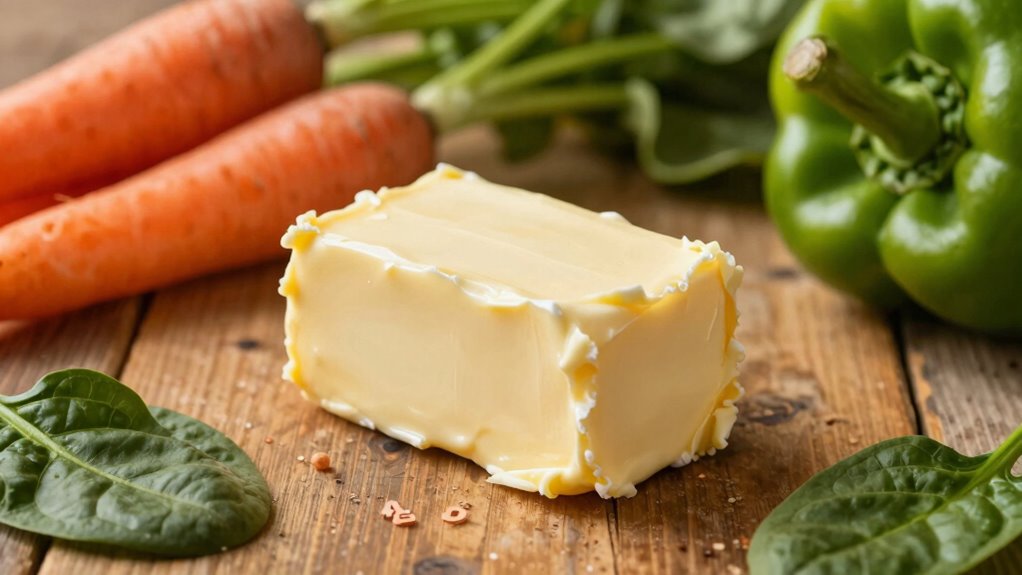
Butter is a rich source of fat-soluble vitamins, which are indispensable for maintaining your overall health. Vitamins A, D, E, and K rely on dietary fats like butter to be properly absorbed and utilized by your body. When you include butter in your diet, you’re not just adding flavor; you’re also supporting crucial biological functions, from immune health to bone strength. But to maximize these benefits, you need to understand how dairy nutrient synergy works. The nutrients in butter don’t act in isolation—they work together to enhance your health. For example, vitamin D aids calcium absorption, and when combined with the calcium in dairy, this synergy promotes stronger bones. The fat in butter helps these vitamins become more bioavailable, meaning your body can absorb and use them more efficiently. This is why incorporating butter thoughtfully into your diet can have a significant impact on your nutrient intake and overall wellbeing.
When it comes to cooking fat considerations, butter offers both advantages and limitations. Its unique flavor enhances many dishes, but its relatively low smoke point means you should be cautious when applying high heat. Overheating butter can cause it to break down, producing unwanted compounds and diminishing its nutritional value. If you’re cooking at high temperatures, consider using clarified butter or ghee, which contain the milk solids removed and have higher smoke points. This ensures you retain the beneficial fats and vitamins without risking the formation of harmful substances. Additionally, balance matters—using butter as a part of a varied diet allows you to benefit from its nutrients without overdoing it. It’s also wise to combine butter with other healthy fats, like olive oil or avocado, to diversify your fat sources and optimize nutrient absorption. Recognizing the importance of dietary fat can help you understand how to better incorporate butter into your meals for maximum benefit.
Furthermore, understanding fat-soluble vitamin absorption can help you make better dietary choices and maximize the health benefits of your meals. Recognizing the nutrient synergy in dairy can guide you in creating meals that support optimal health. Proper meal timing and fat intake balance can also influence how effectively your body utilizes these vitamins. Ultimately, the key lies in understanding how dairy nutrient synergy enhances the health benefits of butter and being mindful of cooking fat considerations. When you use butter appropriately, respecting its strengths and limitations, you support your body’s ability to absorb those crucial fat-soluble vitamins. Incorporating butter wisely into your meals, along with a balanced intake of other nutrient-rich foods, helps you maximize its nutritional potential. Remember, it’s not just about adding butter to your plate; it’s about doing so thoughtfully, ensuring that you get the most benefit from its rich array of vitamins while maintaining overall dietary balance. In this way, you turn a simple ingredient into a powerful tool for your health.
As an affiliate, we earn on qualifying purchases.
Frequently Asked Questions
How Does Butter Compare to Other Fat Sources for Vitamin Absorption?
You’ll find that butter offers excellent vitamin bioavailability and fat absorption efficiency compared to other fat sources. Its natural fats help your body absorb fat-soluble vitamins like A, D, E, and K more effectively. Unlike processed oils, butter’s unique composition allows for better nutrient uptake. So, when considering vitamin absorption, butter’s natural fats make it a superior choice for optimizing your intake of fat-soluble vitamins.
Can Consuming Butter Affect Vitamin Toxicity Levels?
Eating butter won’t turn you into a vitamin toxicity villain overnight, but it can influence your fat absorption, potentially increasing your risk if you consume excessive amounts. Butter’s fat helps your body absorb fat-soluble vitamins, but too much can lead to vitamin buildup, risking toxicity. Moderation is key—balance your butter intake to enjoy its nutrients without tipping the scales toward excess.
Are There Specific Populations That Need More Fat-Soluble Vitamins?
Certain populations, like those with genetic factors affecting vitamin absorption or metabolic processes, need more fat-soluble vitamins. You might also require higher intakes if you have dietary restrictions, such as veganism or allergies, limiting sources of vitamins A, D, E, or K. These groups should pay close attention to their diet or consider supplements to meet their specific needs, ensuring proper health and nutrient balance.
How Does Cooking Impact Vitamin Retention in Butter?
Cooking can affect vitamin retention in butter, mainly through heat degradation. Vitamin stability varies; some fat-soluble vitamins like A, D, E, and K are relatively heat-stable, but prolonged high heat can cause degradation. When you cook butter at moderate temperatures briefly, you preserve most vitamins. However, extensive heating or frying may lead to significant nutrient loss, so it’s best to use gentle methods to retain these essential vitamins.
Is Butter the Best Source of Fat-Soluble Vitamins?
Sure, butter’s rich flavor and creamy fat consistency make it tempting, but it’s actually not the best source of fat-soluble vitamins. While it contains vitamins A, D, E, and K, you’ll get more from other sources like oily fish, eggs, or leafy greens. Ironically, that luscious butter might just be a tasty way to enjoy fat, rather than the prime vitamin powerhouse you’re after.
Conclusion
Remember, butter isn’t just about flavor; it’s about fueling your body with fat-soluble vitamins. It’s about supporting your vision, your immune system, and your overall health. It’s about choosing nutrient-rich fats over empty calories. So, embrace butter as a part of your balanced diet, and prioritize the vitamins that truly matter. Because when you understand what’s in your butter, you’re making a choice to nourish, to protect, and to thrive.
NFL season / tailgating Picks
team gear
As an affiliate, we earn on qualifying purchases.