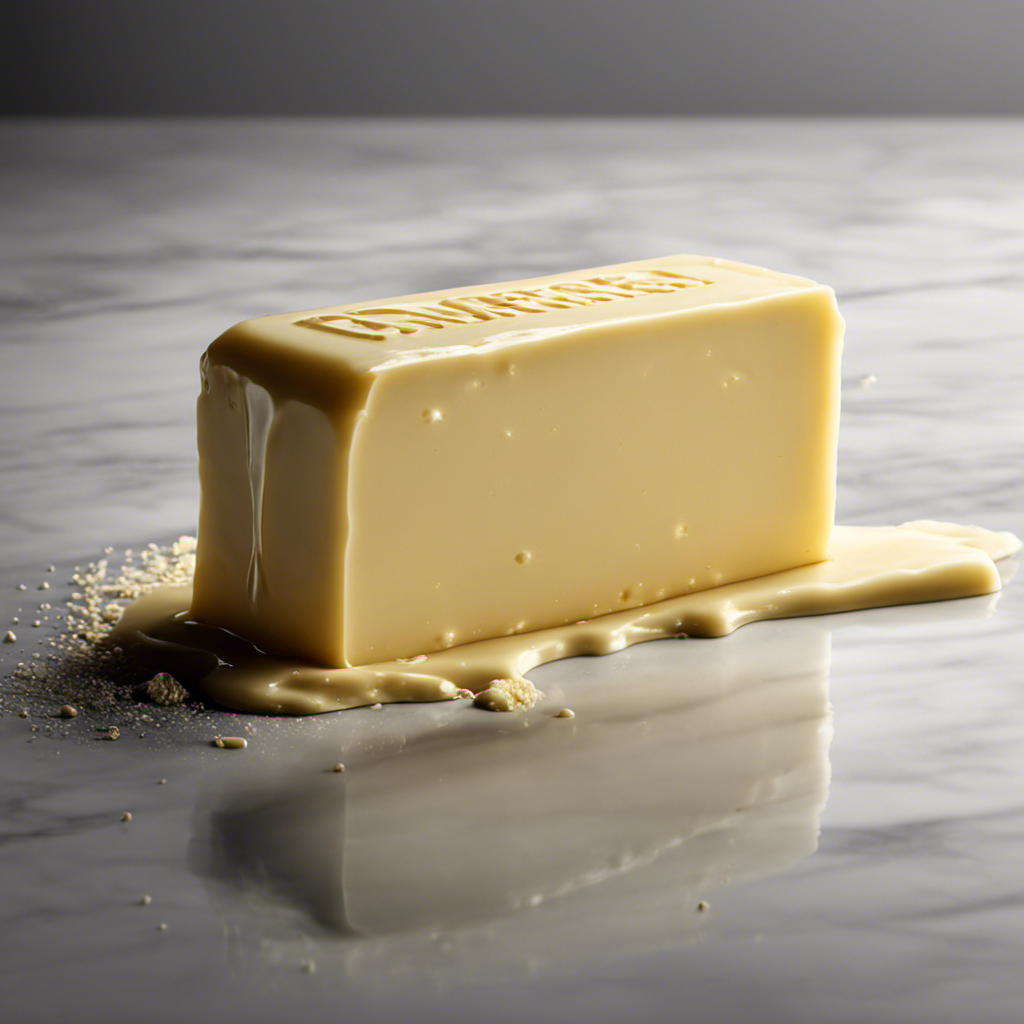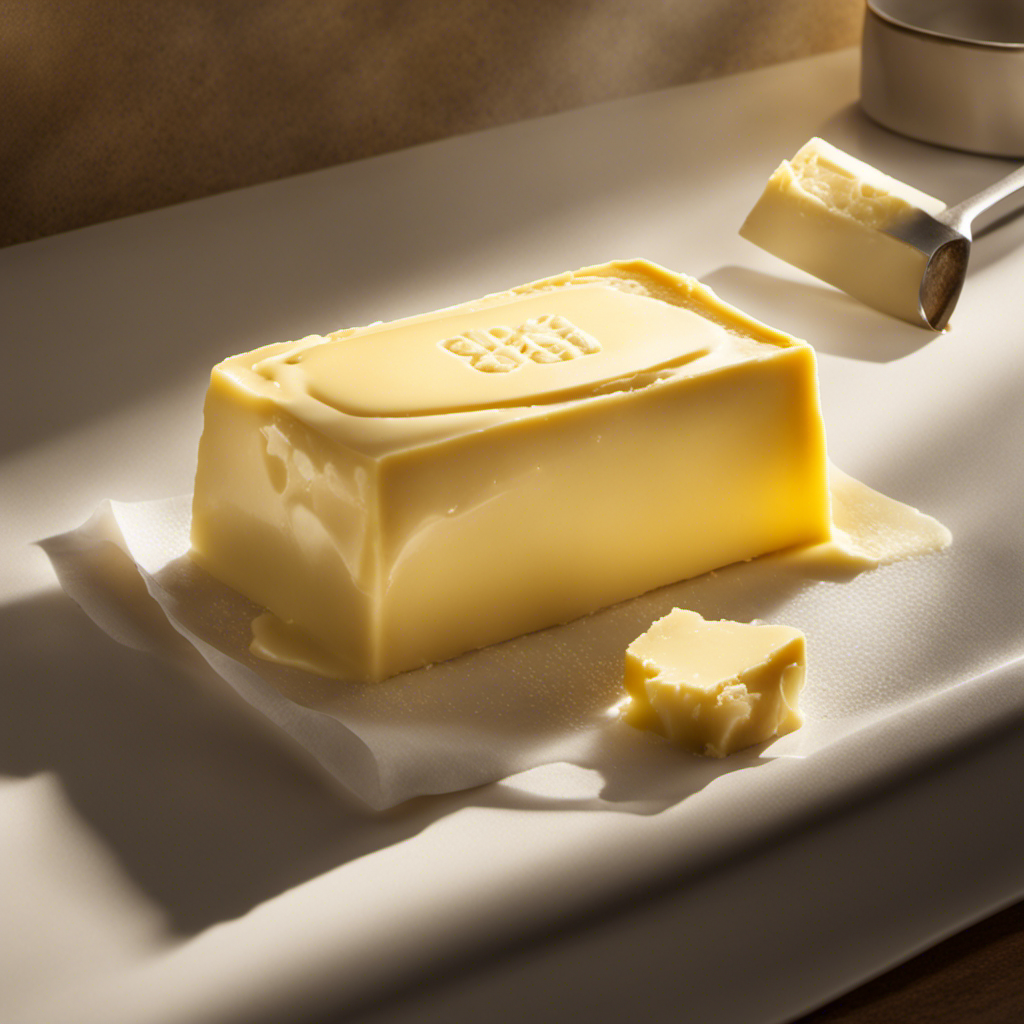
When checking butter labels, remember that “Best By” refers to peak quality, not spoilage. This date means the butter is at its best for flavor and texture but can still be used beyond this time if there are no signs of spoilage. On the other hand, “Use By” indicates the last day for safe consumption. It’s vital for perishable items. Knowing these differences can help you avoid waste and guarantee culinary success. You’ll discover more tips on storage and quality checks next.
Key Takeaways
- “Best By” indicates when butter is at its peak quality, suggesting flavor may decline afterward but isn’t a spoilage indicator.
- “Use By” marks the last recommended day for ideal freshness and should be adhered to for food safety.
- Both labels help assess butter’s freshness, with “Best By” focused on quality and “Use By” on safety.
- Proper storage, like refrigeration or freezing, can extend butter’s shelf life beyond the labels.
- Always check for off smells or discoloration before use, regardless of the date labels.

When you’re grabbing a stick of butter at the store, understanding the labels can save you from a culinary mishap later. Butter often comes with two date labels: “Best By” and “Use By.” Knowing the difference between these dates can help you make informed choices about freshness and flavor. The “Best By” date suggests when the butter will be at its peak quality. It doesn’t mean the butter’s gone bad after this date, but you might notice slight flavor differences as time goes on. On the other hand, the “Use By” date is more serious; it’s a guideline for safety, indicating the last day you should consume the product for *ideal* freshness and flavor.
To get the most out of your butter, proper storage is key. If you plan to use the butter within a week or so, keeping it in the refrigerator is fine. Just grab that stick and stick it in the butter compartment, which helps maintain its texture and flavor. But if you’ve bought a larger quantity or won’t use it soon, consider freezing it. Wrap it tightly in foil or plastic wrap to prevent freezer burn. When you’re ready to use it, just thaw what you need in the fridge overnight, and you’ll be good to go.
Be mindful of the storage tips, too. Butter can absorb odors from other foods, so keeping it in an airtight container can help maintain its flavor. If you’re using salted butter, it has a longer shelf life than unsalted butter, thanks to the salt acting as a preservative. Check for any off smells or discoloration before using butter that’s past its “Best By” or “Use By” date; these are signs it’s time to toss it.
When you’re planning your recipes, remember that the freshness of your butter can impact the overall dish. Fresh butter enhances the flavors of baked goods and savory dishes alike, so it’s worth being aware of those labels. By keeping an eye on storage and understanding the significance of “Best By” and “Use By,” you’ll ensure your butter remains a delicious, reliable ingredient in your kitchen. You’ll not only avoid any culinary mishaps but also enjoy the rich flavors that fresh butter brings to your meals. Additionally, proper storage techniques can help prolong the shelf life of your butter, ensuring it stays fresh for longer.
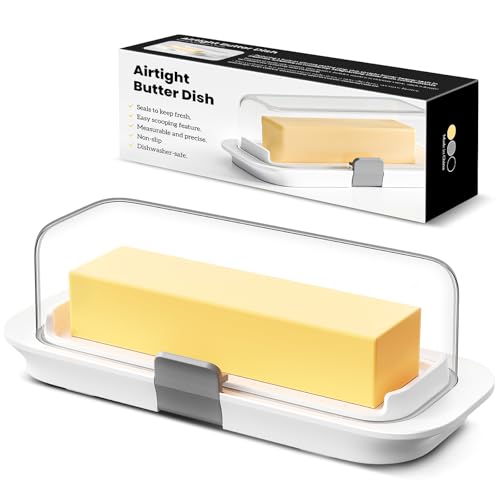
Pisol Butter Dish with Lid for Countertop and Refrigerator Door Shelf, Airtight Butter Keeper Container, Butter Holder for East/West Coast Butter, BPA-free, Microwave/Dishwasher Safe
The Home of American 1/4 LB Butter: 8.03''/20.39cm(L) × 3.31''/8.4cm(W) × 2.64''/6.7cm(H), specially designed for 1 stick butter…
As an affiliate, we earn on qualifying purchases.
As an affiliate, we earn on qualifying purchases.
Frequently Asked Questions
Can Butter Be Frozen Past Its ‘Best By’ Date?
Yes, you can freeze butter past its ‘best by’ date. While the ‘best by’ date indicates ideal quality, butter can still be safe to use for months if stored properly. Just make sure to wrap it tightly to prevent freezer burn. When you’re ready to use it, thaw the butter in the refrigerator. Always check for any off smells or discoloration before using it, as butter can still expire after freezing.
What Happens if I Consume Butter After the ‘Use By’ Date?
If you consume butter after the ‘use by’ date, you’re risking food safety. While its flavor might still seem fine, butter spoilage can lead to unpleasant surprises. Imagine spreading rancid butter on your toast; it’s both unappetizing and potentially harmful. You might experience digestive issues if bacteria have developed. Always trust your senses—if it smells off or looks strange, it’s best to toss it and avoid the risk altogether.
How Can I Tell if Butter Has Gone Bad?
You can tell if butter has gone bad by checking for butter mold or discoloration. If you see any mold spots, it’s best to toss it. Fresh butter should have a consistent color; if it’s turned yellow or has dark patches, it might be spoiled. Additionally, give it a sniff—if it smells sour or off, don’t risk it. Always trust your senses when it comes to food safety!
Does the Type of Butter Affect Its Shelf Life?
Yes, the type of butter can substantially affect its shelf life. Just like a garden blooms differently, butter varieties each have unique characteristics. Salted butter lasts longer than unsalted due to the preservative nature of salt, while whipped butter has more air and may spoil faster. Always check the packaging for specific guidelines, but generally, you’ll find that the more fat and salt, the longer it’ll stay fresh and flavorful.
Can I Use Butter That Smells Fine but Is Past the Date?
You can use butter that smells fine but is past the date, as long as it has a fresh, buttery aroma and shows no signs of spoilage. Remember to check for any off smells, discoloration, or mold. Proper storage techniques, like keeping it in the fridge or freezer, can extend its shelf life. Always trust your senses—if it seems okay, it probably is, but when in doubt, throw it out.
Pisol Butter Dish with Lid for Countertop and Refrigerator Door Shelf, Airtight Butter Keeper Container, Butter Holder for East/West Coast Butter, BPA-free, Microwave/Dishwasher Safe
The Home of American 1/4 LB Butter: 8.03''/20.39cm(L) × 3.31''/8.4cm(W) × 2.64''/6.7cm(H), specially designed for 1 stick butter…
As an affiliate, we earn on qualifying purchases.
As an affiliate, we earn on qualifying purchases.
Conclusion
So, next time you grab that butter, don’t just glance at the label—be the butter whisperer! If it says ‘best by,’ you’re golden for a while longer, but ‘use by’ means it’s time to spread that goodness before it turns into a science experiment. Remember, your taste buds deserve the best, so don’t let a date dictate your culinary adventures. Embrace the butter, and let your toast reach new heights of deliciousness!

400 Pack Butter Wrapping Paper Set, 200 Pcs Aluminum Packaging Wrapping Sheets and 200 Pcs Silicone Oil Sheets, 9.84 x 9.84 and 8.66 x 8.66 Inches, for Homemade Butter Storage and Chocolate Packaging
Perfectly Sized for Freshness & Organization: Our butter paper set complete set of 400 pieces including 200 aluminum…
As an affiliate, we earn on qualifying purchases.
As an affiliate, we earn on qualifying purchases.
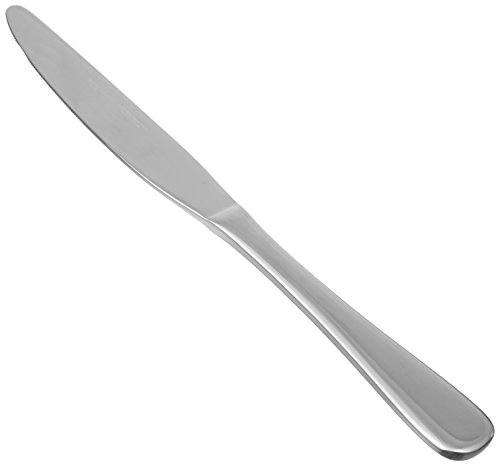
Amazon Basics Stainless Steel Dinner Knives with Round Edge, Silverware, Table Knives, Restaurant Quality, Pack of 12, Silver
Set of 12 stainless steel knives for dining room, kitchen or restaurant use
As an affiliate, we earn on qualifying purchases.
As an affiliate, we earn on qualifying purchases.