
TL;DR

Get kitchen staples and gadgets delivered free with Prime
- Fast, free delivery on millions of items
- Prime Video, Amazon Music and more included
- Member-only deals all year
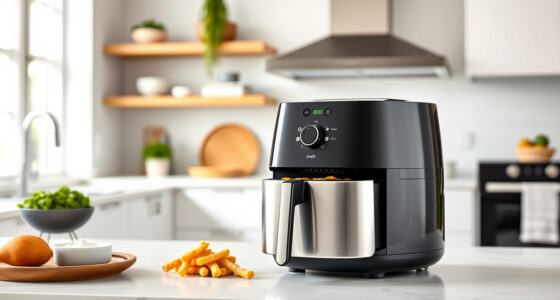
Small kitchens need compact appliances. The best air fryers for tiny spaces are efficient, easy to store, and deliver crispy, delicious results without taking up too much counter or cabinet room.
Picture this: a kitchen so tight, every inch counts. Yet, you still crave crispy fries, roasted veggies, or reheated leftovers with that satisfying crunch. Enter the small kitchen air fryer.
These tiny powerhouses pack a punch. They cook fast, crisp evenly, and fit comfortably on your countertop or tucked away in a cabinet. But with so many models out there, how do you pick one that doesn’t turn your space into clutter? That’s what we’re here for. You’ll learn what really matters—size, capacity, safety, and features—so your new air fryer becomes a trusty sidekick, not a space hog.
Measure your counter and cabinet space before buying to ensure a perfect fit.
Opt for models with removable baskets for easier cleaning and storage.
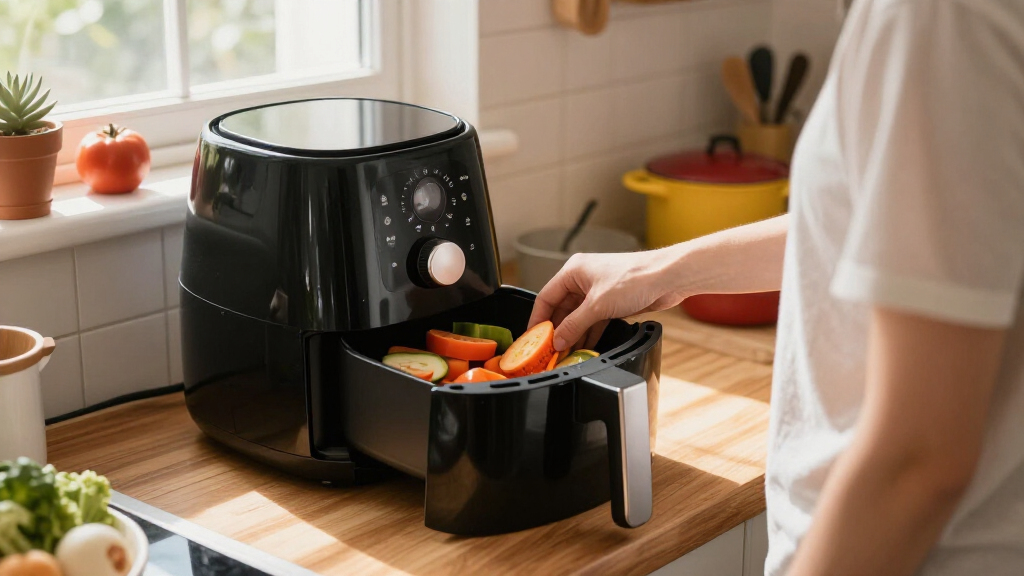
Use single-layer cooking and shake food mid-cycle for crisp results in small air fryers.
Basket models are best for quick snacks; oven-style offers more versatility but takes more space.
Regular cleaning and proper ventilation extend the life of your appliance and keep your kitchen odor-free.
How to Pick an Air Fryer That Fits Your Tiny Kitchen and Your Food
Choosing an air fryer for a small space isn’t just about capacity. It’s about how well it fits your lifestyle and your kitchen’s layout. Measure your available counter and cabinet space first. Remember, you need clearance to open the basket or door comfortably.
For example, if your countertop is only 12 inches wide, a model that measures 10 inches in width is ideal. Also, check the height—some models with controls on top are taller than they seem. Think about your typical meals: if you cook for one or two people, a 2 to 3-quart model might suffice. Want to make crispy chicken wings or roast small veggies? Make sure the basket can hold at least 1.5 pounds of food without crowding.
Ventilation is another key. Many air fryers vent hot air out the back or top. If your kitchen has low cabinets or tight wall space, choose a model with an exhaust that won’t blow directly onto your cabinets or furniture. Proper ventilation is crucial because hot air and moisture need to escape to prevent overheating, odors, and potential damage to nearby surfaces. When space is limited, poor ventilation can cause lingering smells or even heat buildup, which affects both safety and appliance longevity. And don’t forget electrical considerations—most small models draw between 1,200 and 1,800 watts. Make sure your outlet and circuit can handle the load without tripping or risking overload.
Products Worth Considering

Instant Pot Duo Crisp Ultimate 6.5-Quart 13-in-1 Pressure Cooker and Air Fryer

KitchenAid Artisan Series 5-Quart Tilt-Head Stand Mixer, Dried Rose (KSM150PS)

KitchenAid Artisan 5-Quart Tilt-Head Stand Mixer, Almond Cream
As an affiliate, we earn on qualifying purchases.
The Best Small Air Fryers: How They Stack Up in Size, Power, and Features
| Model | Capacity | Dimensions | Wattage | Best For |
|---|---|---|---|---|
| Cosori 2.4 Qt | 2.4 quarts | 9.4 x 8.1 x 11.8 inches | 1500W | Single servings, quick snacks |
| Ninja 4 Qt | 4 quarts | 11 x 11 x 13 inches | 1550W | Small family meals |
| Dash 2 Qt | 2 quarts | 8 x 8 x 10 inches | 1000W | Limited counter space, quick reheats |
When choosing between these, think about your typical meal size. Do you want to cook a full chicken wing batch or just reheat fries? The Ninja 4 Qt is a good middle ground—compact but versatile. The Dash 2 Qt is perfect if space is tight and you’re mainly reheating or making snacks. Remember, larger capacity models can handle more food but often require more space and power, which might not be suitable for very small kitchens. Conversely, smaller models are easier to store but might limit what you can cook at once, so consider your typical cooking needs to find the best fit for your space and lifestyle.
How to Maximize Small Space & Still Get Crispy, Delicious Food
- Choose a model with a removable basket for easy cleaning and storage. This feature not only simplifies maintenance but also allows you to stack or store the basket more efficiently, saving space in your cabinets or drawers.
- Preheat briefly—most small air fryers heat up in under 3 minutes. This quick preheat not only saves time but also ensures that your food starts cooking immediately, resulting in crisper textures and more even browning. Skipping preheating can lead to uneven results, especially in small appliances where heat distribution is rapid but less extensive.
- Arrange your food in a single layer. Overcrowding stifles airflow, leading to soggy results and uneven cooking. When food is spread out properly, hot air circulates freely, promoting uniform crispness. For small appliances, this is especially important because their smaller cooking chambers can become crowded quickly, which compromises quality.
- Shake or turn the food halfway through cooking. This simple step redistributes heat and ensures all sides crisp up evenly. It’s a small effort that makes a big difference in achieving restaurant-quality results in a tiny appliance.
- Use a light coat of oil—just a spray or a teaspoon—your food will brown better without excess fat. This not only enhances texture and color but also helps prevent sticking and burning, especially in models with nonstick coatings that can degrade over time if exposed to too much oil.
For example, reheating pizza slices in a tiny air fryer can restore crispness in 5 minutes, making microwave sogginess a thing of the past. These small tricks turn a compact appliance into a powerful cook, capable of producing crispy, flavorful results that rival larger ovens or fryers. Mastering these techniques maximizes your space and elevates your cooking game.
Pros and Cons of Basket vs. Oven-Style Small Air Fryers
Basket models are popular for small kitchens because their compact size means they take up less counter space and heat up quickly. Their simple design makes them ideal for quick snacks or single servings, and the ability to shake or flip food easily helps achieve even crispness. However, their limited capacity is a tradeoff—most can’t accommodate multiple racks or large roasts, which could restrict your cooking options if you want to prepare larger meals or multiple dishes simultaneously. This means you might need to cook in batches, which can be less efficient and more time-consuming.
Oven-style models, on the other hand, provide greater flexibility with multiple racks, baking, roasting, and even dehydrating. They are excellent for preparing larger meals or multiple dishes at once, saving time and effort. But their size is often a drawback in tiny kitchens—they tend to be bulkier, harder to store, and may require longer preheat times, which can be inconvenient when space and time are limited. The choice depends heavily on your space constraints and cooking habits. If you often prepare small snacks or single servings, a basket model offers speed and simplicity. If you need more versatility and are willing to allocate space, an oven-style unit can expand your cooking capabilities but at the cost of added bulk.
Understanding these tradeoffs helps you choose a model that balances space, convenience, and functionality, aligning with your specific needs and kitchen constraints. Remember, the right choice enhances your cooking experience rather than complicates it, especially when space is at a premium.
Cleaning and Safety Tips for Small Kitchen Air Fryers
Keeping your small air fryer in top shape isn’t just about cleanliness—it’s about safety and extending the lifespan of your appliance. Regularly removing crumbs and grease buildup prevents smoke, odors, and potential fire hazards. Using dishwasher-safe baskets and trays can make cleanup easier, but always check your manual to ensure compatibility; some coatings or materials may not be dishwasher safe. Never pour wet batter into the basket; dry or breaded foods are safer because excess moisture can cause splattering or damage the appliance, and wet batter can stick or cause uneven cooking. Allow the device to cool completely before cleaning to prevent burns and preserve the nonstick surface—cleaning a hot appliance can cause damage or injury. Proper ventilation is also crucial—use near an open window or with an exhaust fan, especially if you notice smoke or strong odors during cooking. This not only keeps your kitchen safe but also prevents lingering smells that can permeate your home. Regular maintenance, like checking for grease buildup and ensuring vents are unobstructed, prolongs the life of your air fryer and maintains optimal performance. Safety isn’t just a precaution; it’s an essential part of enjoying your small kitchen appliance without worry or hassle.
Smart Features and Accessories That Make Small Kitchen Cooking Easier
Modern small air fryers are packed with features designed to simplify cooking in tight spaces. Preset programs for common foods like fries, chicken, or vegetables eliminate guesswork, ensuring consistent results and saving you time. Some models include temperature probes and timers, allowing precise control over cooking processes—particularly useful when multitasking or managing multiple dishes simultaneously. App control can let you start or monitor cooking remotely, which is especially handy when your counter space is limited and you want to prep in advance. Accessories like parchment liners, silicone mats, or stackable racks help optimize space and make cleanup easier. Using liners can prevent food from sticking and reduce mess, but be cautious—blocking too much airflow can affect cooking efficiency and crispness. Features like built-in lights allow you to check on your food without opening the door, helping prevent overcooking and maintaining crispness. These smart features and accessories aren’t essential but can significantly enhance your cooking experience, especially when space is at a premium. They provide convenience and efficiency, making small-space cooking more versatile and less stressful.
Frequently Asked Questions
What size air fryer is best for one person or a couple?
A 2 to 3-quart air fryer typically suits one or two people. It’s compact enough to save space and can still cook enough for small meals or snacks.Can an air fryer operate safely under kitchen cabinets?
Yes, but only if the manufacturer’s manual specifies clearance requirements. Most models vent hot air out the back or top, so ensure there’s adequate space to prevent heat buildup.Are basket air fryers better than oven-style for tiny kitchens?
Basket models are generally more compact and faster, making them ideal for small spaces. Oven-style units offer more features but tend to be bulkier—choose based on your space and cooking needs.Will an air fryer replace my microwave or oven?
It can replace some functions—like reheating or simple roasting—but not everything. For quick reheats, an air fryer crisps better than a microwave. It’s a complementary tool rather than a full replacement.How much oil should I use for air frying?
A light spray or about a teaspoon of oil is enough to help foods crisp up without excess fat. Avoid pouring oil directly into the basket; a spray bottle works best for even coating.Conclusion
Small kitchens don’t have to mean small flavor. A well-chosen, compact air fryer transforms your limited space into a versatile cooking station. It’s about smart sizing, thoughtful features, and knowing how to use it to its fullest.
So, measure your space, pick a model that matches your needs, and start crisping, roasting, and reheating with confidence. Your tiny kitchen just got a whole lot tastier.