
🔍 Read the full analysis: Panforte Di Siena: The Medieval Spice Cake Still Ruling Christmas on Mad Tasting

Get kitchen staples and gadgets delivered free with Prime
- Fast, free delivery on millions of items
- Prime Video, Amazon Music and more included
- Member-only deals all year
TL;DR
Panforte di Siena is a dense Tuscan sweet made with ingredients such as honey, nuts, candied fruit, flour and spices. It is strongly associated with Christmas in Siena, though it is sold year-round; accounts of its medieval origins remain uncertain.
Panforte di Siena, the dense Tuscan cake associated with Christmas in the city, remains a seasonal favorite made with honey, nuts, candied fruit, flour and spices. Siena’s traditions link it to medieval convents and the spice trade, but the cake’s precise origin and earliest recipe are not established.
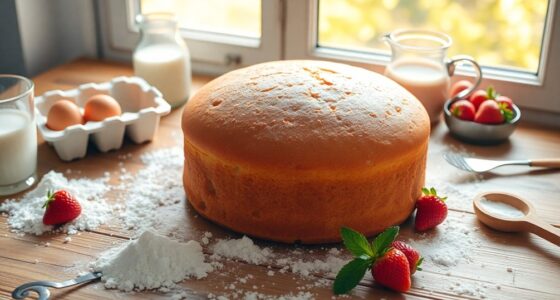
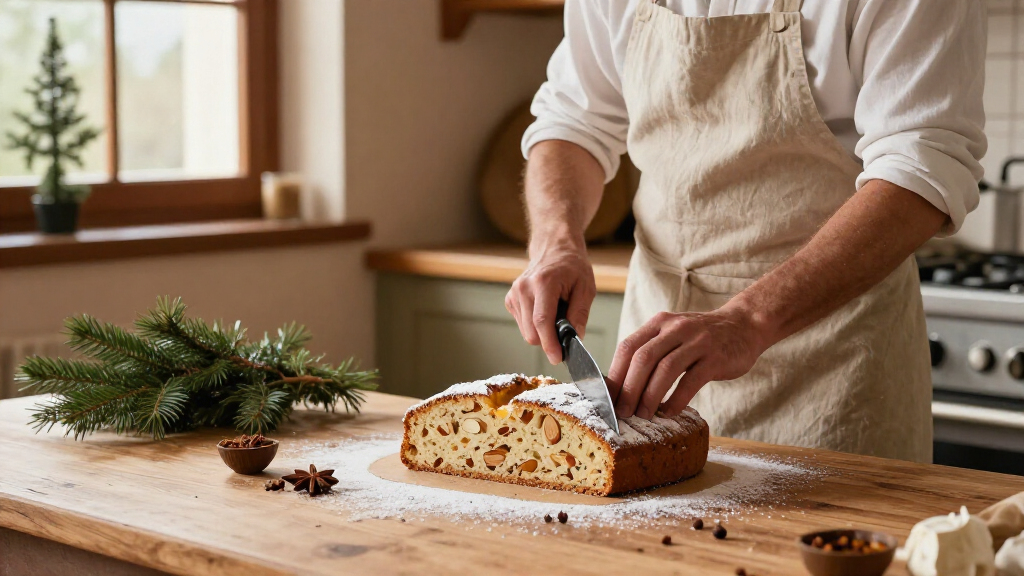
Unlike a fluffy cake, panforte is compact and chewy, with nuts and candied fruit bound together by a sweet mixture. Recipes vary: almonds, candied citrus, honey, sugar, flour and spices are common, while some bakers use hazelnuts, melon or other fruit. Traditional rounds may be set on edible wafer paper and pressed thin, though thickness and proportions differ by maker.
Two familiar styles are panforte nero and panforte margherita. Nero is generally darker and more assertively spiced; some versions include black pepper or cocoa. Margherita is typically lighter and finished with icing sugar. These are broad descriptions, not guarantees: individual recipes vary, so the balance of fruit, nuts and spice depends on the baker.
The name “panforte” means “strong bread.” Despite that translation, the sweet is not a yeasted loaf and is not intended to rise. Its concentrated flavor and firm texture suit narrow portions. It is often served with coffee, and it can be eaten throughout the year even though its strongest association in Siena is with Christmas.
Panforte di Siena A Christmas tradition
This dense Tuscan sweet brings nuts, candied fruit, honey and spice together in a compact, chewy cake. Its medieval origin stories remain unverified.
A sweet made for sharing
Small portions bring several flavors together, making panforte a natural fit for holiday gatherings.
Dense and chewy
Nuts and candied fruit are bound in a sweet mixture rather than a fluffy, risen cake.
Fruit, nuts and spice
Honey, flour and spices are common; ingredient proportions vary by baker.
Two familiar styles
These are broad descriptions; each maker’s recipe can differ.
| Style | Typical character |
|---|---|
| Panforte nero | Darker and more assertively spiced; some versions include black pepper or cocoa. |
| Panforte margherita | Lighter, typically finished with icing sugar. |
Tradition and evidence
Siena’s stories connect panforte with medieval food culture, convents, apothecaries and spice trading.
- Strongly associated with Christmas in Siena.
- Some accounts place its beginnings in the 13th century.
- No precise origin date or first baker is confirmed.
- No unchanged first recipe is established.
Enjoying panforte
Its Christmas association is strongest in Siena, but some makers offer it year-round.
Try nero and margherita, or ask a baker about the ingredients.
A small portion lets the concentrated fruit, nuts and spice shine.
Panforte commonly contains tree nuts and wheat; recipes may include other ingredients.
A Sweet Made for Sharing
Panforte’s compact form makes it easy to cut into small portions and share at gatherings. Its combination of nuts, fruit and spice also gives it a distinct place among holiday sweets: a thin wedge can offer several flavors in a few bites. These qualities help explain its continued appeal during Siena’s Christmas season.
The tradition also connects a local food to the history of ingredients and trade. Spices, candied fruit and nuts were valuable goods, and their use helps explain why stories associate panforte with celebrations and gifts. That historical setting is relevant, though it does not prove a specific origin tale or an unchanged recipe passed down across the centuries.
Products Worth Considering

Ninja CM371 Hot & Iced XL Coffee Maker with Rapid Cold Brew

Le Creuset Heritage Stoneware Rectangular Baking Dish Set, 3-Piece, Marseille

Ninja Foodi 6-in-1 DualZone FlexBasket Air Fryer, 7-Qt MegaZone, Black, DZ071
As an affiliate, we earn on qualifying purchases.
Medieval Roots, Uncertain Dates
Panforte is rooted in Siena’s medieval food culture, but the available accounts do not establish a single inventor, exact starting date or definitive first recipe. Later stories connect the sweet with convents, apothecaries and the trade in spices. Some place its beginnings in the 13th century, when honey, almonds, dried fruit, candied peel and imported spices could make such a sweet costly.
One explanation for the name links it to older sweet breads that could turn sour during fermentation, with panforte’s intense flavor distinguishing it. That is an origin explanation, not a settled fact. The historical associations help describe the cake’s place in Sienese tradition, but they cannot by themselves verify when or how it first appeared.
Christmas remains the cake’s strongest seasonal moment in Siena, while bakeries may offer it year-round. Contemporary rounds can differ in thickness and ingredient ratios, reflecting each maker’s choices. A visit to a local bakery offers a practical way to compare those versions and ask how the maker balances citrus, nuts and spice.
What the Origin Stories Establish
The source material does not identify a verified first baker, a precise origin date or a recipe that has remained unchanged. Links to medieval convents, apothecaries and 13th-century Siena appear as traditions and historical accounts, not conclusive proof of the cake’s beginnings. Ingredient lists and flavor profiles also vary from baker to baker.
The source provides no specific current sales figures, official designation or named statements from historians or producers. It therefore supports describing panforte as a continuing Christmas tradition with year-round availability, but not measuring its present popularity or claiming that one version represents every Sienese recipe.
Finding Panforte in Siena
Panforte’s seasonal cycle will continue with Christmas gatherings in Siena, while the sweet remains available from some makers throughout the year. Visitors can compare nero and margherita, ask about a baker’s ingredients and choose a thin wedge to sample the balance of fruit, nuts and spice.
At home, keep the cake wrapped between servings and follow the producer’s storage guidance. The source material gives no specific storage period or temperature, so those details should not be assumed. Panforte commonly contains tree nuts and wheat; check the ingredient label for allergens and for any additional ingredients used in a particular recipe.
Key Questions
What is panforte di Siena?
It is a dense, chewy Tuscan sweet made with ingredients commonly including honey, nuts, candied fruit, flour, sugar and spices. It is traditionally associated with Siena.
What is the difference between panforte nero and margherita?
Nero is generally darker and more strongly spiced, sometimes with black pepper or cocoa. Margherita is usually lighter and dusted with icing sugar. Recipes vary by maker.
Is panforte only eaten at Christmas?
No. Christmas is its strongest seasonal association in Siena, but panforte may be sold and enjoyed year-round.
Does panforte have a confirmed medieval origin?
No precise origin date or first baker is established by the source material. Medieval stories connect it with convents, apothecaries and spice trading, but these accounts do not verify its exact beginnings.
Source: Mad Tasting