
TL;DR

Get kitchen staples and gadgets delivered free with Prime
- Fast, free delivery on millions of items
- Prime Video, Amazon Music and more included
- Member-only deals all year
Good Housekeeping published nine kitchen organization ideas that use walls, drawers, shelves and refrigerator zones to make everyday items easier to find. The suggestions are practical design options, not independently tested findings; layout, costs and suitability will depend on each kitchen.
Good Housekeeping has published nine kitchen organization ideas aimed at making storage and frequently used tools easier to access, with suggestions ranging from a pegboard for utensils to dividers for platters and a knife block built into a drawer. The list offers design options for homeowners and renters, though it does not provide measured results or cost estimates for the changes.
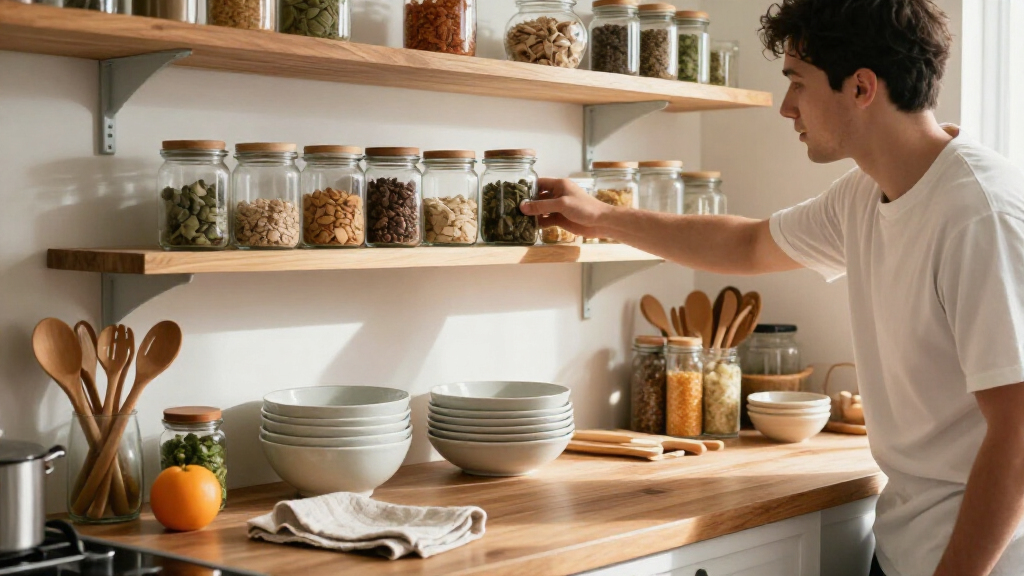
The ideas make use of both vertical space and overlooked storage areas. The report recommends a pegboard wall for items used often, such as a cutting board, whisk or cheese grater, and wall-mounted rows of matching jars for spices. It also suggests a plate rack to move dishes out of a cabinet or drawer and onto the wall. These approaches can make items visible, but the article does not specify installation requirements or weight limits.
For drawers and open shelving, Good Housekeeping proposes small wooden drawers for spices or measuring spoons, customizable dividers to separate platters and casserole dishes, and a built-in knife block in a narrow drawer. Bracketed shelves are another option for glassware, while a towel bar above the sink can hold utensils and other items that need to remain within reach.
The remaining suggestion focuses on the refrigerator: organize food so it is visible, using shelves and crisper drawers for produce and keeping different food categories in designated areas. The report says visibility may help with meal preparation and reduce food being overlooked. It recommends storing leafy greens in crisper drawers, dairy on upper shelves and meat on lower shelves or in bottom drawers; it does not give refrigerator temperature guidance or explain how storage practices vary by appliance.
Storage Changes That Improve Access
The suggestions address a common practical problem: kitchens have limited storage, and items stacked in cabinets or tucked behind other food can be difficult to reach or remember. Moving selected tools and dishes onto walls, separating cookware in drawers and assigning visible refrigerator zones may make routine tasks easier, especially in compact kitchens.
These are design recommendations, not evidence that every change will work in every home. Wall-mounted storage requires suitable surfaces and secure installation, while open displays can take up preparation space or collect dust. The central takeaway is to match each idea to the items used most often and the available layout, rather than add storage for its own sake.
Products Worth Considering

De'Longhi Linea Classic Espresso Machine with Adjustable Milk Frother

Le Creuset Signature Enameled Cast Iron Round Dutch Oven, 5.5 qt, Deep Teal

Breville Bambino Espresso Machine, Brushed Stainless Steel
As an affiliate, we earn on qualifying purchases.
Nine Ideas, Three Storage Areas
The Good Housekeeping report groups its suggestions across walls, drawers and the refrigerator, rather than presenting a single renovation plan. Wall options include a pegboard, spice shelves, a plate rack, bracketed shelves and a towel bar. Drawer options include mini storage drawers, dividers and a knife block. The refrigerator recommendation focuses on placing food where it can be seen and assigning categories to different areas.
The report is credited to freelance lifestyle journalist Laura Millar and includes home design director Monique Valeris in its editorial credits. The supplied source does not state when the piece was published, identify a specific kitchen or provide testing data, product comparisons or installation instructions.
““Use it for the items you reach for constantly, like your cutting board, whisk, and cheese grater.””
— Good Housekeeping report
Fit, Costs and Safety Details
The source does not report costs, installation methods, durability or measured outcomes for the nine ideas. It also does not say whether the recommendations have been tested in different kitchen layouts, or how much wall space, drawer clearance or load capacity each option needs. Readers would need to check product instructions and the suitability of their walls or cabinetry before installing racks, bars or shelves.
The refrigerator advice is broad and does not address appliance-specific temperature settings, food-safety handling or storage times. The article’s claim that visible food can help reduce waste is presented as a practical benefit, but no data or comparison is supplied to quantify that effect.
Choose Ideas for Your Layout
The report does not announce a follow-up, product launch or renovation project. Readers can use the list as a starting point by identifying which items are hardest to access, then checking whether a wall, drawer or shelf can accommodate a storage change. Before mounting anything, confirm that the surface and fasteners can support it; for knife storage, use a setup that keeps blades secured and away from casual reach.
Any further assessment of these ideas would depend on details not supplied in the article, including installation requirements, costs and performance in real kitchens. The next practical step is therefore a layout-specific decision, not a one-size-fits-all set of instructions.
Key Questions
What are the nine kitchen organization ideas?
Good Housekeeping lists a pegboard wall, spice shelves, plate rack, mini drawers, organized refrigerator zones, drawer dividers, a built-in knife block, bracketed shelves and a towel bar.
Which ideas make use of wall space?
The wall-based suggestions include a pegboard, spice shelves, plate rack, bracketed shelves and towel bar. Check the wall and mounting hardware before hanging utensils, dishes or other items.
How does the report suggest organizing refrigerator food?
It recommends keeping food visible, placing produce on shelves and in crisper drawers, putting dairy on upper shelves, and using lower shelves or bottom drawers for meat. The source does not provide temperature settings or detailed food-safety instructions.
Does the article show that these ideas reduce food waste?
No measured result is reported. The article says visible refrigerator contents may help prevent food from being overlooked, but it gives no data or comparison quantifying any reduction in waste.
Source: goodhousekeeping.com