
When comparing imported and domestic butter, you’ll notice that imported varieties often have richer, more complex flavors influenced by regional climates and traditional farming methods, making them ideal for gourmet cooking. Domestic butters tend to be milder and more consistent, focusing on practicality and everyday use. Packaging styles vary too, with imported options highlighting artisanal quality and heritage. If you want to understand how these differences impact flavor and cooking, keep exploring the details behind each choice.

Get kitchen staples and gadgets delivered free with Prime
- Fast, free delivery on millions of items
- Prime Video, Amazon Music and more included
- Member-only deals all year
Key Takeaways
- Imported butters often have richer, nutty, and grassy flavors due to regional climates and traditional farming practices.
- Domestic butters typically have neutral, consistent flavors focused on practicality and everyday use.
- Packaging of imported butters emphasizes artisanal quality, while domestic options prioritize convenience.
- Farming practices in import regions promote biodiversity, enhancing flavor complexity and butter quality.
- Both types offer high quality but cater to different culinary needs and consumer preferences.
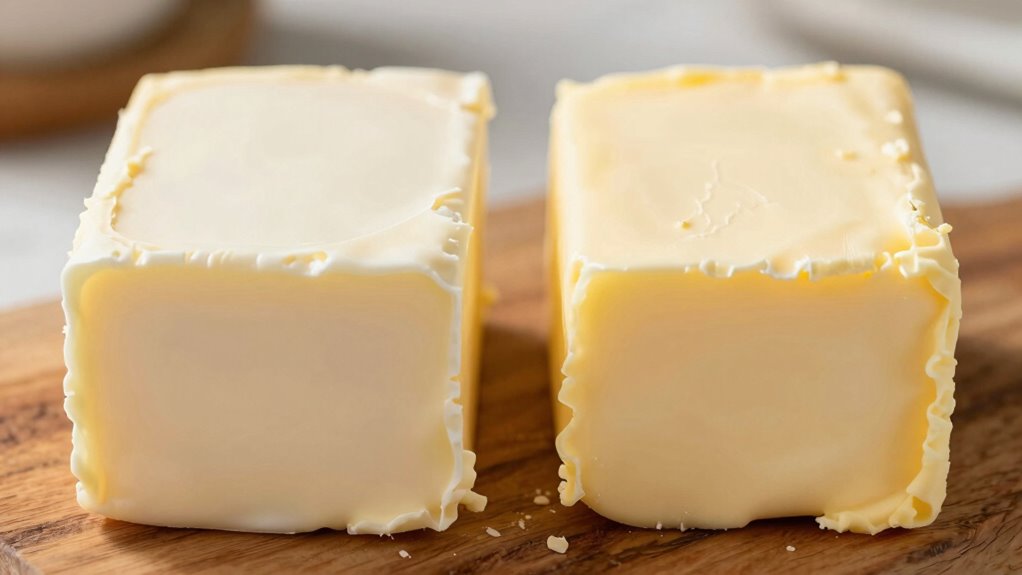
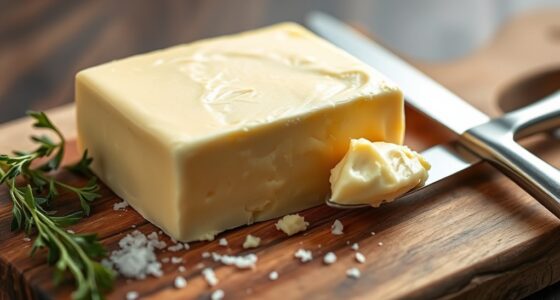
Have you ever wondered what sets imported butter apart from domestic varieties? One of the most noticeable differences is in the flavor profiles. Imported butters often have a richer, more complex taste due to the specific diets of the cows and the regional climates where they’re produced. For example, butter from European countries like France or Ireland tends to have a slightly nutty, grassy flavor that’s hard to replicate elsewhere. This depth of flavor comes from traditional dairy farming practices and the cows’ diet, which often includes fresh pasture grasses and specific feed ingredients. In addition, the product reviews of different butters often highlight these flavor nuances, helping consumers make informed choices. The regional climate and farming methods significantly influence the butter’s flavor, making each imported variety unique. In contrast, domestic butters—especially those mass-produced—may have a more neutral or consistent flavor profile. While they’re still fresh and high-quality, they might lack the subtle nuances that develop from regional farming methods. If you’re a connoisseur or someone who appreciates the nuanced taste, these differences can make imported options more appealing for baking, spreading, or cooking. Additionally, biodiversity in farming practices can contribute to the unique qualities of imported butters, as diverse ecosystems support different feed sources and animal health. Moreover, farming practices play a crucial role in shaping the overall quality and characteristics of the butter. A greater understanding of dairy farming can help consumers appreciate the factors that influence flavor and quality.
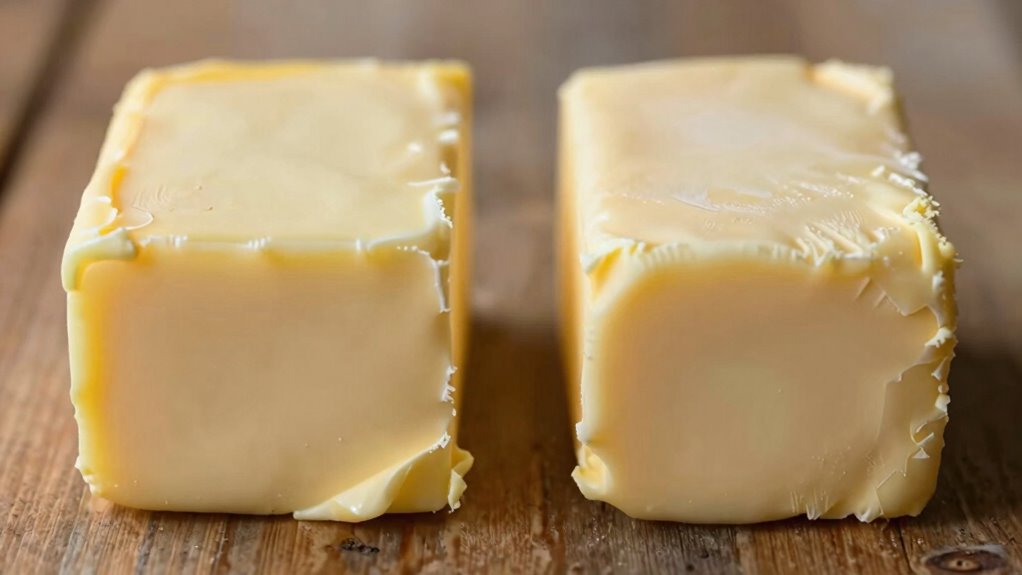
Another key difference lies in packaging. Imported butters are often presented in packaging that emphasizes tradition and quality—think elegant wrappers, foil seals, or uniquely shaped blocks. This packaging not only preserves freshness but also conveys a sense of artisanal craftsmanship. Some imported brands opt for environmentally friendly materials or distinctive designs that highlight their heritage, making the butter feel more like a premium product. Domestic butters, on the other hand, usually come in straightforward, functional packaging meant for convenience and mass distribution. These packages are often standardized, with simple tubs, sticks, or wrappers designed for easy stacking and storage. While they do effectively preserve the butter, they may lack the visual appeal or storytelling elements that come with imported packaging. Both packaging styles reflect differing priorities—whether emphasizing heritage or practicality—and influence how consumers perceive quality.
Ultimately, your choice might come down to what you value more: the flavor complexity and tradition associated with imported butter or the practicality and consistency of domestic options. If you’re baking a delicate pastry or preparing a gourmet dish, you might prefer the nuanced flavor of imported butter, especially if the packaging reflects its artisanal roots. But if you’re looking for everyday use or a reliable product that’s easy to store and handle, domestic butter’s straightforward packaging and stable flavor profile will serve you well. Both types have their merits, but understanding these differences helps you make more informed choices based on your cooking needs and taste preferences.
As an affiliate, we earn on qualifying purchases.
Frequently Asked Questions
How Do Import Tariffs Affect Butter Prices?
Import tariffs directly impact butter prices by increasing costs for imported products. You’ll notice tariff impacts cause price fluctuations, making imported butter more expensive than domestic options. These tariffs act as a financial barrier, raising retail prices and influencing your purchasing choices. When tariffs go up, you might pay more for butter, but if they decrease, prices can drop, making butter more affordable and affecting market dynamics overall.
Are There Nutritional Differences Between Imported and Domestic Butter?
Like a tale of two cities, imported and domestic butter often seem different, but their nutritional content and ingredient quality are quite similar. Both typically contain comparable fats, vitamins, and minerals, though slight variations can occur due to regional farming practices. You won’t notice much difference in health benefits, but checking labels helps guarantee ingredient quality. Ultimately, your choice depends on taste preferences and sourcing priorities, not significant nutritional disparities.
How Does Transportation Impact Butter Quality?
Transportation can impact butter quality through factors like rough handling and extended storage times. Proper butter storage during transit is essential to prevent melting or spoilage. Packaging differences, such as airtight seals or protective wraps, help safeguard butter from moisture, odors, and temperature fluctuations. If transportation isn’t carefully managed, these issues can lead to texture changes, off-flavors, or spoilage, ultimately affecting the butter’s freshness and quality when you buy it.
What Certifications Distinguish Imported Butter?
You’ll notice imported butter often bears certification labels like the EU Organic or ISO standards, signaling adherence to high-quality standards. These certifications act as a gentle assurance, indicating the butter meets rigorous safety and quality criteria. By recognizing these labels, you can confidently select imported options, knowing they are scrutinized under strict standards, ensuring a premium product that aligns with your expectations for quality and authenticity.
Does Taste Vary Significantly Between Imported and Domestic Butter?
Yes, the taste can vary considerably between imported and domestic butter. The flavor profile is influenced by production methods, including the types of cream used and fermentation processes. Imported butter often has a richer, more complex flavor due to traditional techniques and regional ingredients, while domestic butter may have a fresher, milder taste. Your experience depends on these factors, making each type unique in flavor and texture.
Conclusion
So, next time you reach for butter, remember the tales of old trade routes and distant lands. Whether you choose imported or domestic, you’re part of a story that stretches beyond your kitchen. Like the fabled journeys of explorers, your choice reflects history, culture, and values. Ultimately, it’s about more than flavor—it’s about connection. So trust your instincts, and savor every bite, knowing you’re part of a timeless voyage of taste.
NFL season / tailgating Picks
team gear
As an affiliate, we earn on qualifying purchases.