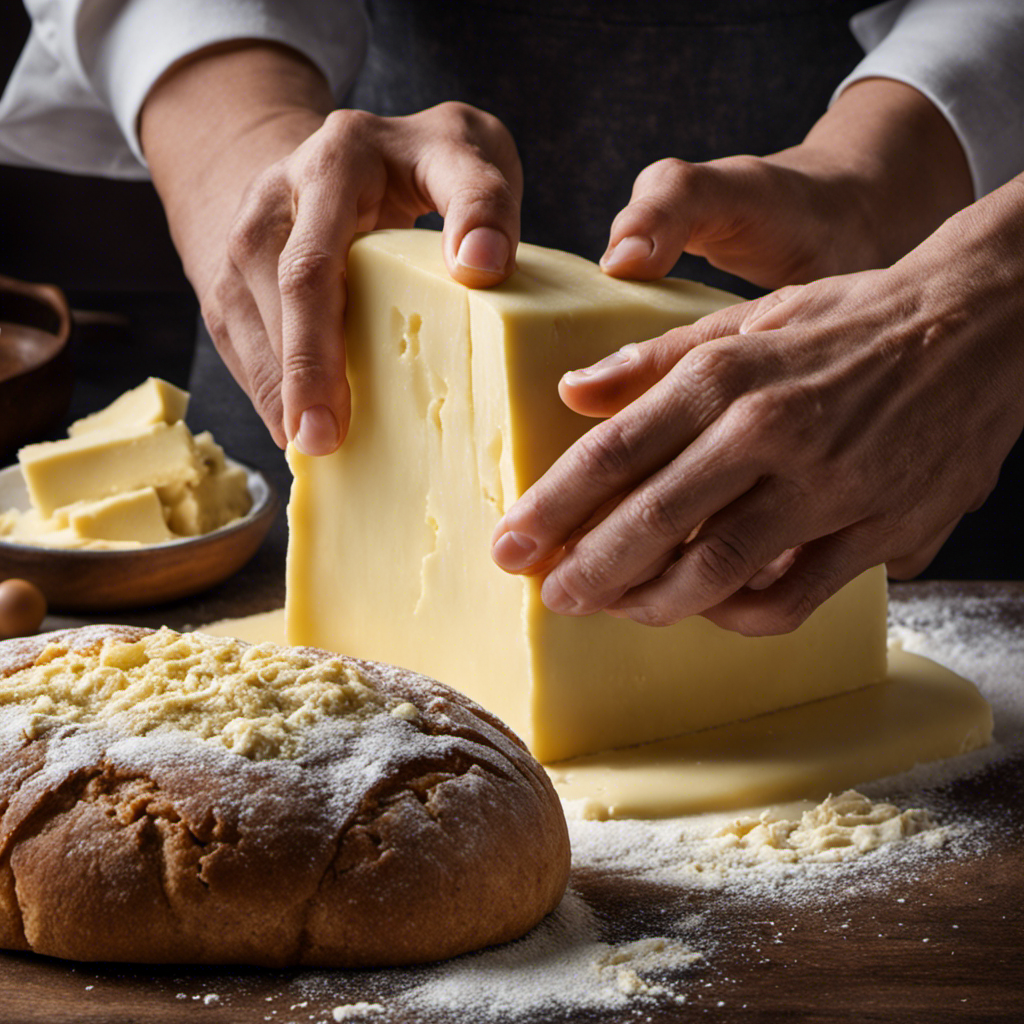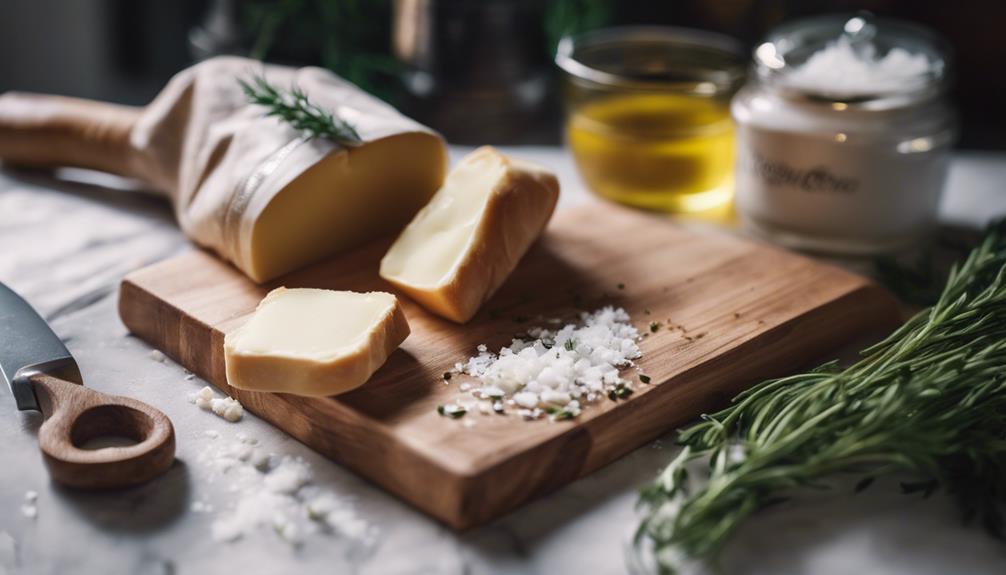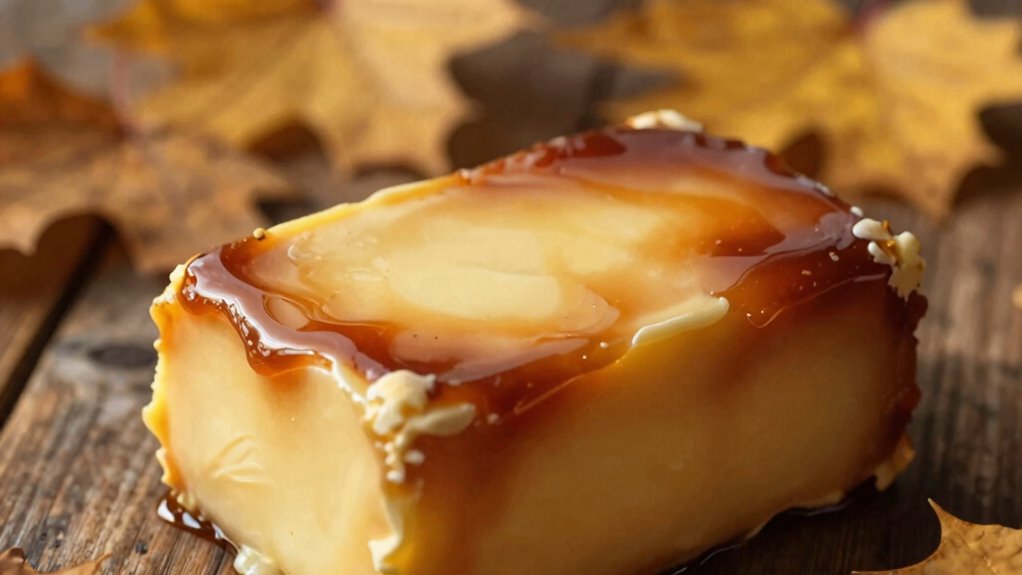

You notice butter looks darker during certain seasons because it reflects the cow’s diet, which changes throughout the year. In warmer months, cows graze on lush pastures rich in carotenoids, giving butter a vibrant yellow or orange hue. In winter, feeds like hay and silage contain fewer carotenoids, making butter appear paler. This natural variation highlights how outdoor grazing and seasonal diets influence butter’s color—if you keep exploring, you’ll uncover even more about this fascinating connection.
Key Takeaways
- Seasonal changes in cow diets affect the amount of carotenoids, which influence butter color.
- Grazing on lush, carotenoid-rich pastures in warmer months results in darker, more vibrant butter.
- During winter, feeding on stored feeds with fewer carotenoids leads to paler butter.
- Regional practices and traditional methods often rely on natural seasonal variations for butter appearance.
- The natural shift in butter color reflects environmental cycles and the cow’s seasonal dietary intake.
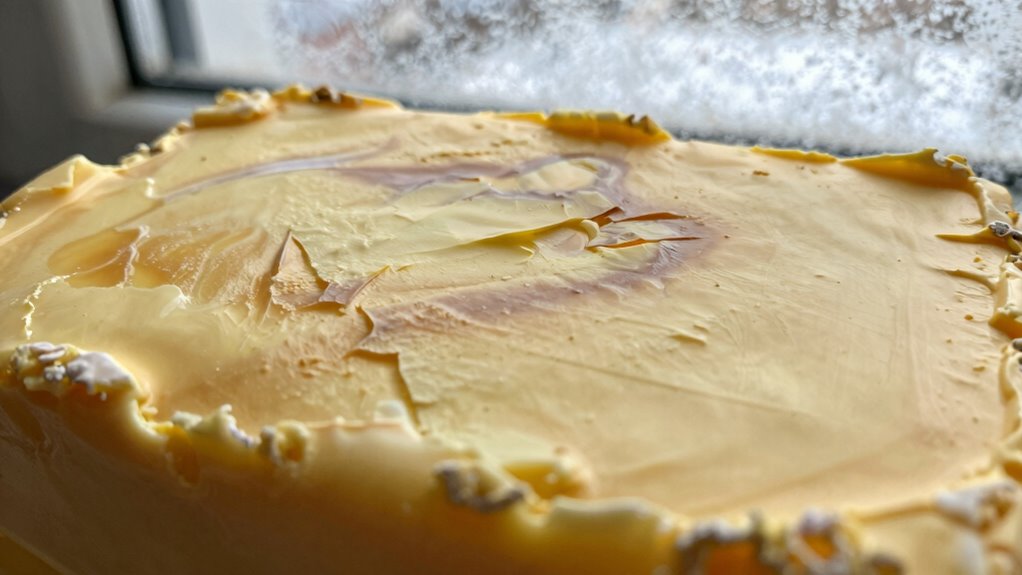
Have you ever noticed that butter sometimes looks darker depending on the season? It’s a common observation, and it all comes down to natural changes in the dairy’s composition throughout the year. Butter color variation is influenced by the cow’s diet, which varies with the seasons. During warmer months, cows graze on fresh green pastures, which are rich in carotenoids—plant pigments responsible for the vibrant greens. These carotenoids are transferred into the milk, giving the butter a warmer, often more yellow or golden hue. Conversely, in winter, when cows are fed stored feed like hay and silage, the milk tends to be paler because these feeds contain fewer carotenoids. This natural shift causes the butter’s appearance to change with the seasons, reflecting the cow’s diet.
Seasonal dairy practices play a significant role in this color variation. Farmers adapt their feeding routines based on the time of year, intentionally or otherwise. In some regions, farmers may supplement cows’ diets with carotenoid-rich feeds during the darker months to maintain a certain butter color, especially if they’re selling to markets that associate a rich yellow hue with higher quality. These practices aren’t just about aesthetics—they’re rooted in tradition and the natural cycle of pasture growth and harvest. When cows graze freely on lush spring and summer pastures, the milk naturally contains more carotenoids, which results in butter that appears darker and more vibrant. During the colder months, when fresh pasture is scarce, the butter naturally lightens, reflecting the diet’s reduced carotenoid content. Additionally, seasonal changes in the cow’s environment can influence other aspects of milk composition, further impacting butter color. Recognizing these seasonal variations helps explain why butter color can differ so markedly throughout the year. Moreover, understanding the natural dietary influences behind these changes fosters greater appreciation for the authenticity of dairy products.
A deeper understanding of dairy farming practices also highlights how different regions and traditions may influence the final product’s appearance. You might notice that butter from different regions or brands varies in color, and that’s often because of these seasonal practices. Some producers might use additives or coloring agents to standardize the butter’s appearance, but most rely on natural seasonal changes. These variations are a testament to the authenticity of dairy farming, showing how closely the product is tied to its environment. Recognizing seasonal diet changes helps deepen your appreciation for the natural process behind butter production.

Tattoo Aftercare Butter Balm, 2.6 oz, Old & New Tattoo Moisturizer Healing Brightener for Color Enhance, Natural Organic Tattoo Cream
Upgraded Design, Easy to Use — Tattoo aftercare balm comes in a tube,this container allows you to glide…
As an affiliate, we earn on qualifying purchases.
As an affiliate, we earn on qualifying purchases.
Frequently Asked Questions
Does the Type of Cow Affect Butter Color?
Yes, the type of cow affects butter color. Different cow breeds produce milk with varying levels of beta-carotene, which influences butter’s hue. Feed variations also impact color; cows eating lush, green pasture tend to produce milk with more carotenoids, resulting in darker butter. So, both cow breeds and what they eat play essential roles in determining the butter’s shade, making it darker or lighter depending on these factors.
How Does Storage Temperature Influence Butter’s Appearance?
Storage temperature considerably impacts butter’s appearance. When you store butter at higher temperatures, it melts slightly, causing it to look softer and sometimes darker. Cold storage preserves its natural color, but if exposed to light, especially in warm conditions, the butter can oxidize, darkening its hue. To keep butter looking fresh and vibrant, store it in a cool, dark place, ideally in an airtight container, away from direct light exposure.
Can Seasonal Changes Impact Butter’s Nutritional Value?
Seasonal milk composition can influence butter’s nutritional value, as milk varies in fat and nutrient levels throughout the year. While these changes might slightly affect butter’s nutritional content, they typically don’t cause significant differences. However, seasonal shifts can impact butter color perception, making it appear darker or lighter, which might influence your perception of its quality. Overall, seasonal variations may subtly affect nutrition, but butter remains a reliable source of essential fats year-round.
Is Darker Butter More Flavorful Than Lighter Butter?
Darker butter tends to be more flavorful than lighter butter because of its richer flavor intensity and deeper color perception. When butter darkens, it often develops more complex, caramel-like notes, enhancing taste. You’ll notice that the color perception influences your expectation of flavor; a richer hue often signals a more robust, intense flavor. So, in many cases, darker butter offers a more satisfying, flavorful experience.
Do Different Dairy Farms Produce Differently Colored Butter?
Yes, different dairy farms produce differently colored butter due to variations in dairy breed and butter coloring techniques. Dairy breed variations influence the milk’s fat content and beta-carotene levels, impacting butter color. Farms may also use different coloring techniques, such as adding natural or artificial colorings. These factors combine to produce a range of butter shades, making each farm’s butter unique in appearance.

Beyond Health Carotene Formula 90 Softgels – Supplement Infused with Carotenoids
As an affiliate, we earn on qualifying purchases.
As an affiliate, we earn on qualifying purchases.
Conclusion
So, now you see why butter can look darker in certain seasons — it’s all about the cow’s diet and the grass they graze on. Don’t judge a book by its cover; that darker hue doesn’t mean lower quality. Instead, it’s just nature’s way of changing with the seasons. Next time you spot a darker stick of butter, remember, beauty’s often in the eye of the beholder, and this darker shade has a story to tell.

Natural Food Coloring – 6 Colors Dye Free Food Coloring, Strong Color Power, Gluten-Free, FD&C & Artificial Dye Free Formula for Baking, Icing and Cooking, Cakes, Cupcakes, Frosting,Easter Eggs & Holiday Treats
Dye Free Food Coloring – 6 Essential Colors: Made with clean ingredients like turmeric, paprika, and β-carotene, this…
As an affiliate, we earn on qualifying purchases.
As an affiliate, we earn on qualifying purchases.

365 by Whole Foods Market, Organic Butter Salted, 1 lb
Brought to you by Whole Foods Market
As an affiliate, we earn on qualifying purchases.
As an affiliate, we earn on qualifying purchases.