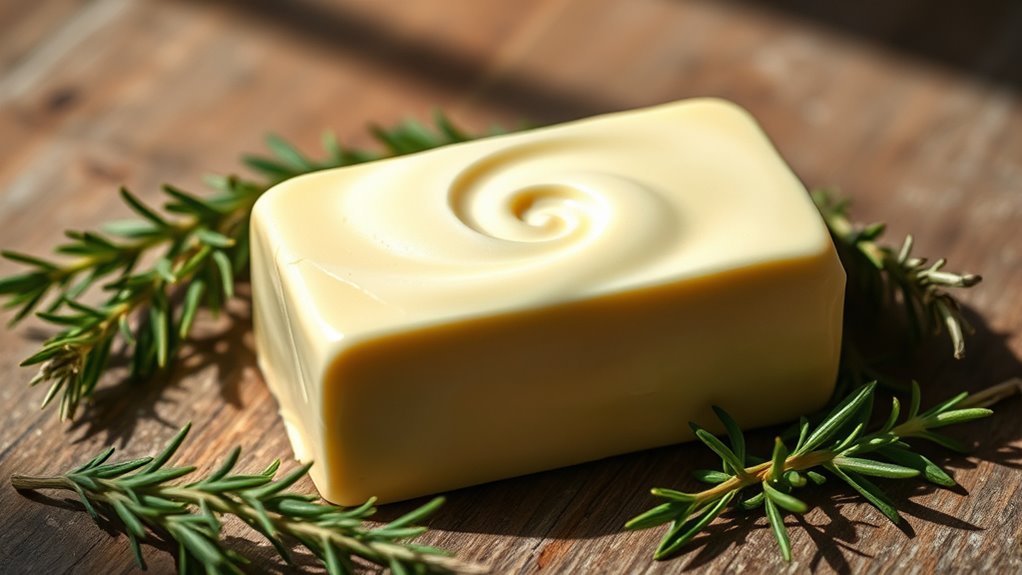

When you see ‘cultured’ on a butter package, it means the butter’s made through a fermentation process with live bacterial cultures. This fermentation gives the butter a tangy flavor and a creamier texture. It’s also more spreadable right from the fridge, making it great for cooking and baking. Plus, the probiotics from the fermentation can help with digestion. There’s so much more to learn about cultured butter’s benefits and culinary uses!
Prime for Young Adults — start your free trial
Fast free delivery, streaming and member deals for eligible 18–24 year olds.
As an affiliate, we earn on qualifying purchases.
Key Takeaways
- “Cultured” butter is made through a fermentation process where bacterial cultures are added to cream before churning.
- The fermentation enhances the flavor, resulting in a distinct tang and richer taste profile.
- Cultured butter has a creamier texture and is more spreadable straight from the refrigerator compared to regular butter.
- It contains beneficial probiotics that can aid digestion and support gut health, although in smaller amounts than yogurt.
- Using cultured butter in cooking and baking can elevate dishes and improve the overall quality of baked goods.
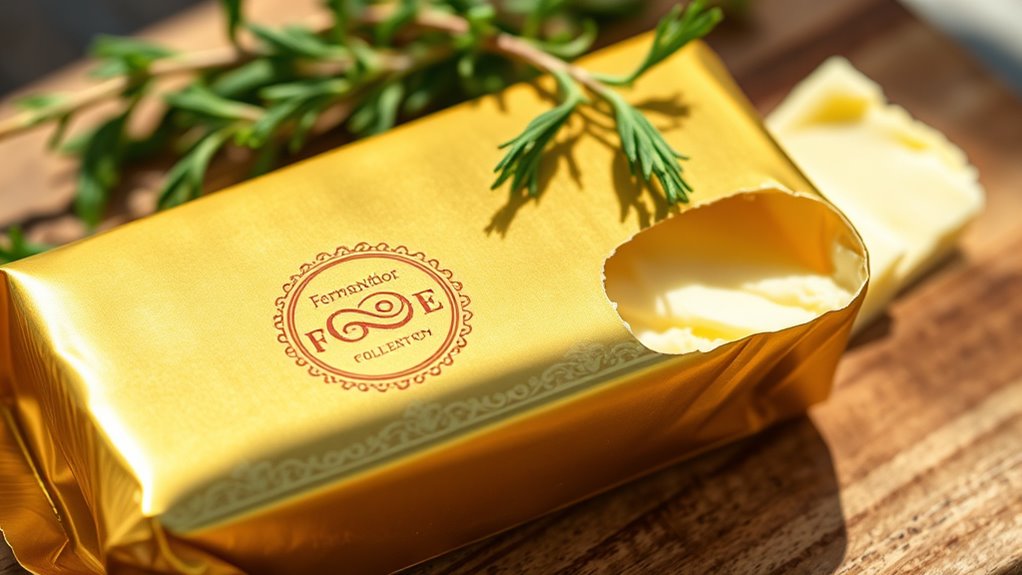
When you pick up a butter package, you might notice something intriguing—the term “cultured.” This label isn’t just a marketing gimmick; it signifies a specific process that enhances flavor and texture. Cultured butter is made by introducing specific bacterial cultures into cream before the butter is churned. This fermentation process transforms ordinary cream into something extraordinary, giving it a distinct tang that sets it apart from its non-cultured counterpart.
During this fermentation process, the bacteria break down lactose into lactic acid, which not only contributes to that signature flavor but also helps create a creamier texture. You’ll find that cultured butter tends to be more spreadable straight from the refrigerator, making it a favorite among many home cooks and bakers. The complexity of flavors that develop during fermentation can elevate simple dishes, adding a rich, buttery depth that’s hard to replicate.
Beyond the taste, there are also health benefits associated with cultured butter. The probiotic benefits of the bacteria used in the fermentation process can aid digestion and may support gut health. These live cultures can introduce beneficial bacteria to your system, which might help balance your gut flora. While the amount of probiotics in cultured butter is not as high as in yogurt or other fermented foods, it’s still a delicious way to incorporate some health benefits into your diet. Additionally, the fermentation process enhances the overall flavor profile, similar to how pimple patches work by targeting specific skin concerns for improved clarity.
You may be surprised to learn that cultured butter often contains a higher fat content and a lower water content than regular butter, which contributes to its superior performance in baking. Because of its unique properties, it can create flakier pastries or richer sauces. If you’re trying to achieve that perfectly golden croissant or buttery pie crust, opting for cultured butter could be your secret weapon.
Cultured butter’s higher fat and lower water content make it ideal for achieving flaky pastries and rich sauces.
As you’re perusing the butter aisle, remember that choosing cultured butter isn’t just about flavor; it’s about embracing the art of fermentation. It’s a nod to traditional dairy practices that have stood the test of time. So the next time you reach for that butter, consider how its cultured nature can enhance your culinary creations, provide some probiotic goodness, and bring a little more joy to your meals. You might just find that this small detail makes a big difference in your kitchen.
As an affiliate, we earn on qualifying purchases.
Frequently Asked Questions
Is Cultured Butter Suitable for Baking?
Yes, cultured butter’s perfect for baking! Its rich flavor enhancement, thanks to artisanal techniques, elevates your baked goods. When you use it in recipes, you’ll notice a deeper, more complex taste that regular butter can’t match. Whether you’re making pastries or cookies, this butter adds moisture and a delightful tang. Just remember to adjust your recipes slightly, as its acidity can impact leavening. You’ll love the results!
How Does Cultured Butter Differ From Regular Butter?
Cultured butter differs from regular butter mainly in its production process and flavor enhancement. While regular butter is made from sweet cream, cultured butter uses cream that’s been fermented with live bacteria. This fermentation process gives cultured butter a tangy taste and creamier texture, enriching your dishes. You’ll notice that it can elevate your baking and cooking, adding depth to recipes that regular butter might not achieve. So, give it a try!
Can I Make Cultured Butter at Home?
Yes, you can make cultured butter at home! Start by whipping heavy cream until it thickens, then let it sit at room temperature for homemade fermentation. This allows beneficial bacteria to develop. After about 12 to 24 hours, churn the mixture again until it separates into butter and buttermilk. Rinse the butter under cold water, and you’ll have a delicious, creamy product that showcases artisanal techniques. Enjoy your homemade cultured butter!
What Are the Health Benefits of Cultured Butter?
When you savor cultured butter, you’re indulging in a creamy delight packed with health perks. Thanks to its fermentation benefits, this buttery treat supports digestion and enhances nutrient absorption. Its probiotic properties promote a healthy gut flora, giving your immune system a little boost. Plus, it adds a rich flavor to your dishes without compromising health. So, go ahead and enjoy that dollop of cultured butter guilt-free—it’s a delicious way to nourish yourself!
Does Cultured Butter Require Special Storage?
Yes, cultured butter does require special storage. To maintain its freshness and flavor, you should keep it in the refrigerator. Use airtight containers or wrap it tightly to prevent it from absorbing other odors. While cultured butter has a longer shelf life than regular butter, it’s still best to consume it within a month or two. By following proper storage techniques, you’ll enjoy its rich taste for longer!
Conclusion
So, next time you grab that butter package labeled “cultured,” remember it’s not just about fancy words. It’s the blend of tradition and innovation, where age-old fermentation meets modern convenience. You’re not just spreading a creamy delight; you’re embracing a rich history of flavor and nutrition. In a world that often rushes, this cultured butter invites you to savor each bite, making every meal a little more special. Who knew a simple package could hold such depth?
NFL season / tailgating Picks
team gear
As an affiliate, we earn on qualifying purchases.