
When choosing between defatted peanut flour and peanut butter, consider your nutritional goals. Defatted peanut flour packs 50-60% protein with low fat, making it ideal for low-calorie diets. In contrast, peanut butter contains healthy fats and offers a rich, creamy flavor. If you want to maximize protein while minimizing fat, go for the flour. But if you crave a satisfying taste and healthy calories, peanut butter’s the way to go. There’s much more to explore about these options!

Get kitchen staples and gadgets delivered free — and shop member deals
- Fast, free delivery on millions of items
- Access to Prime Big Deal Days deals on October 6–7
- Prime Video, Amazon Music and more included
Key Takeaways
- Defatted peanut flour contains 50-60% protein and is low in fat, making it ideal for low-fat diets.
- Traditional peanut butter has about 25% protein and provides healthy fats that contribute to satiety and energy needs.
- Defatted peanut flour is versatile for baking and smoothies, while peanut butter is great for spreads and dips due to its creamy texture.
- The flavor of defatted peanut flour is neutral and adaptable, whereas peanut butter has a rich, distinct taste that enhances dishes.
- Choosing between them depends on dietary goals: maximizing protein or incorporating healthy fats into your diet.
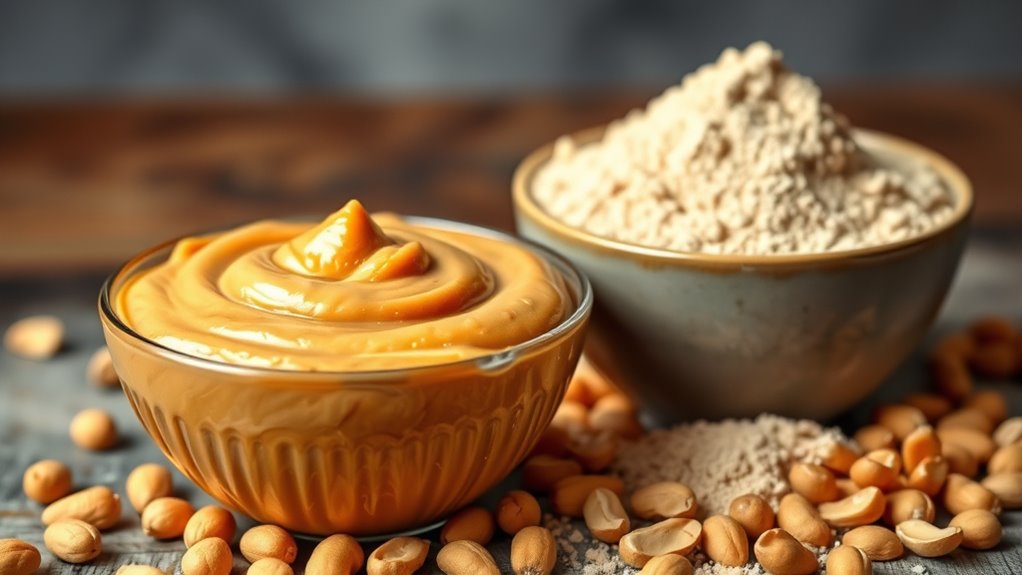
When you’re looking to add protein to your diet, you might wonder whether defatted peanut flour or traditional peanut butter is the better choice. Both options have their merits, but they differ markedly in nutritional content and culinary uses, which can impact how you incorporate them into your meals.
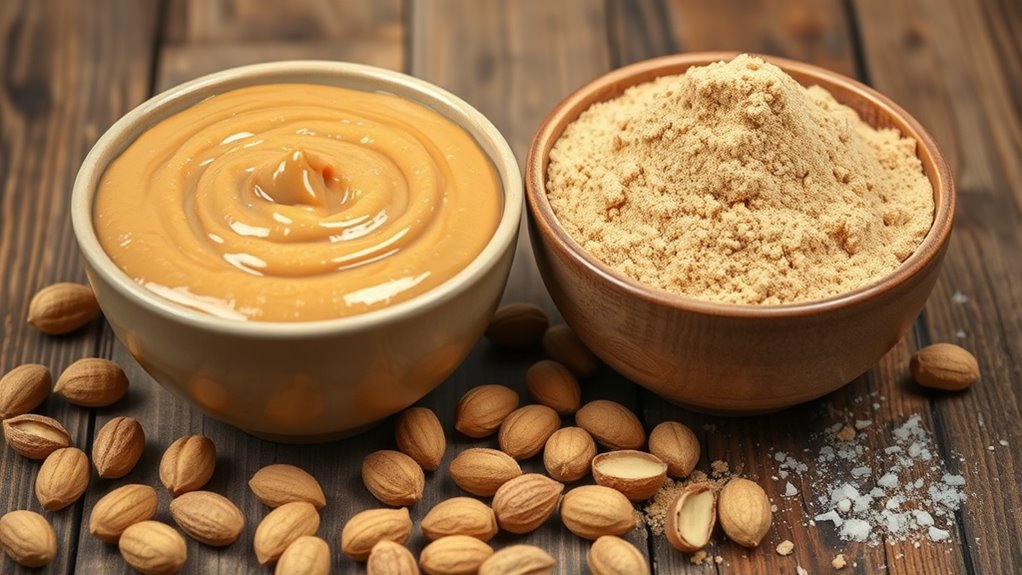
Defatted peanut flour is made by pressing peanuts to remove most of their oil, resulting in a powder rich in protein but low in fat. This makes it an appealing choice if you’re watching your caloric intake or trying to reduce fat consumption. In contrast, traditional peanut butter retains the healthy oils, offering a creamier texture and richer flavor. While it’s also a good source of protein, it contains more calories and fat per serving compared to defatted peanut flour. If you’re focused on maximizing protein while minimizing fat, defatted peanut flour could be your go-to option.
When it comes to nutritional differences, defatted peanut flour boasts around 50-60% protein, whereas traditional peanut butter contains about 25% protein. This stark contrast can help you make a decision based on your dietary goals. Additionally, defatted peanut flour has fewer carbohydrates and sugars, which can be beneficial if you’re following a low-carb diet. However, you’ll miss out on some of the healthy fats found in peanut butter, which can be important for overall health and satiety.
In terms of culinary uses, both ingredients shine in different scenarios. Defatted peanut flour is versatile and can be used in baking, smoothies, or as a thickening agent in sauces and soups. It blends well into recipes without altering the texture too much, making it perfect for those looking to up their protein intake discreetly. You can easily mix it into pancakes, protein bars, or even oatmeal for a nutritious boost.
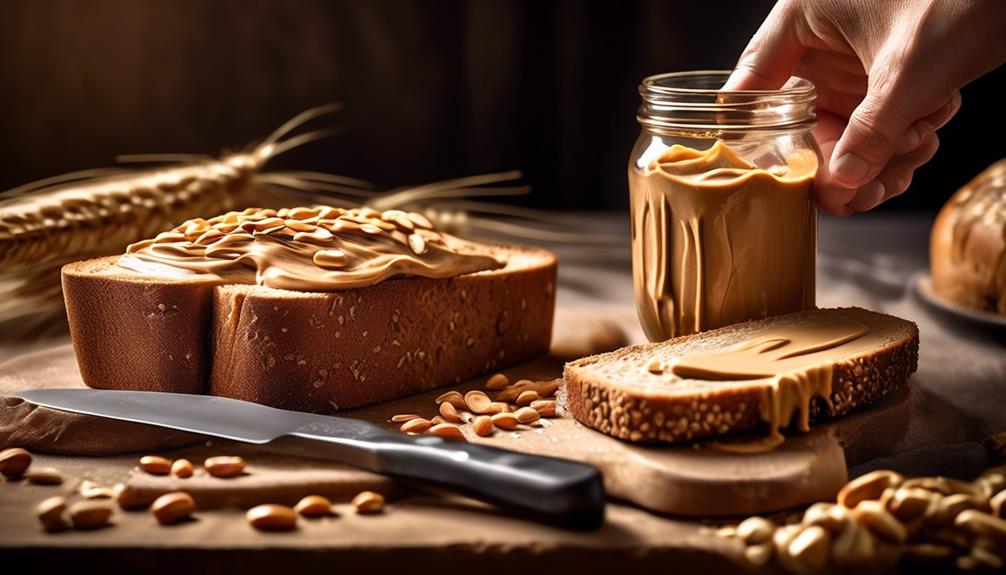
On the other hand, traditional peanut butter is a staple for many. Its rich flavor makes it ideal for spreads, dips, and dressings, giving you that satisfying creaminess. You can slather it on toast, blend it into smoothies, or use it as a base for savory sauces. The culinary possibilities are endless with peanut butter, and it’s hard to beat the nostalgic comfort it brings.
Ultimately, your choice between defatted peanut flour and traditional peanut butter depends on your nutritional goals and culinary preferences. Both can be valuable additions to a balanced diet, but understanding their differences will help you make the best choice for your needs.
defatted peanut flour protein powder
As an affiliate, we earn on qualifying purchases.
As an affiliate, we earn on qualifying purchases.
Frequently Asked Questions
Can Defatted Peanut Flour Be Used in Baking Recipes?
Yes, you can definitely use defatted peanut flour in baking recipes! It adds a unique flavor profile while boosting the nutritional benefits of your baked goods. You’ll find that it complements cookies, pancakes, and muffins beautifully. Just remember to adjust the liquid in your recipes, as the flour absorbs more moisture. Experimenting with it can lead to delicious, healthier treats that still satisfy your cravings without compromising on taste!
Is Defatted Peanut Flour Gluten-Free?
Yes, defatted peanut flour is gluten-free. Like a beacon guiding those with gluten sensitivities, it’s a safe choice for your baking needs. While you don’t have to worry about gluten concerns, keep allergen considerations in mind, as peanut flour does contain peanuts. If you’re baking for someone with peanut allergies, it’s best to choose alternatives. Always read labels to verify the product meets your dietary requirements.
How Long Does Peanut Butter Last After Opening?
Once you open peanut butter, it typically lasts about three to four months when stored properly. To maximize its shelf life, keep it in a cool, dark place like your pantry or refrigerator. Make sure the lid’s tightly sealed to prevent air and moisture from getting in. If you notice any off smells or mold, it’s best to toss it. Following these storage tips will help you enjoy your peanut butter longer!
What Is the Protein Content Difference Between the Two?
When you look at the protein comparison, defatted peanut flour usually has a higher protein content than peanut butter. Defatted peanut flour contains around 50-60% protein, while peanut butter typically offers about 25% protein. These nutritional differences make defatted peanut flour a great option if you’re aiming to increase your protein intake without the added fats found in peanut butter. So, if protein’s your goal, consider incorporating defatted peanut flour into your meals!
Can I Substitute Peanut Butter for Defatted Peanut Flour?
You can substitute peanut butter for defatted peanut flour, but keep in mind the nutritional comparison and flavor differences. Peanut butter contains more fat and calories, while defatted peanut flour is lower in fat and higher in protein. This means your dish might end up richer and creamier with peanut butter, but you could lose some protein. Adjust other ingredients accordingly to maintain the desired texture and taste in your recipe.
Conclusion
In the epic showdown of defatted peanut flour versus peanut butter, it’s clear you can’t go wrong! If you’re after a protein-packed powerhouse with fewer calories, defatted peanut flour is your superhero. But if you crave that creamy, dreamy indulgence, peanut butter swoops in like a delicious sidekick. So, whether you’re baking, blending, or slathering, both options are here to save your snacking day. Choose your champion, and let the tasty adventures begin!
NFL season / tailgating Picks
team gear
As an affiliate, we earn on qualifying purchases.