
Palm oil is added to peanut butter to enhance its texture, keep it creamy, and prevent separation of oils and solids. It also extends shelf life, helping your favorite spread stay fresh longer. While palm oil adds to the mouthfeel and flavor, it’s important to contemplate its health implications, like being high in saturated fats. By understanding these aspects, you’ll make better choices about your peanut butter and the brands you support. There’s more to explore on this topic!

Get kitchen staples and gadgets delivered free — and shop member deals
- Fast, free delivery on millions of items
- Access to Prime Big Deal Days deals on October 6–7
- Prime Video, Amazon Music and more included
Key Takeaways
- Palm oil enhances the texture and creaminess of peanut butter, making it smoother and more enjoyable to eat.
- It prevents the separation of oils and solids, ensuring a consistent product that is ready-to-use.
- Palm oil extends the shelf life of peanut butter by minimizing spoilage, allowing for longer storage.
- The oil contributes to the desired flavor and mouthfeel, improving the overall eating experience.
- Sustainable sourcing of palm oil can mitigate environmental concerns, so consumers should prioritize eco-friendly brands.
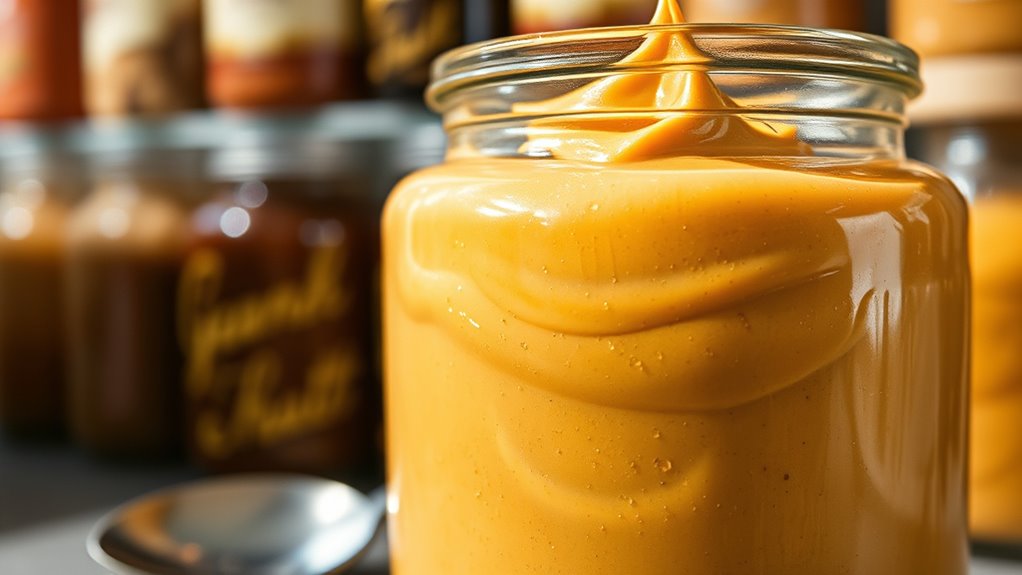
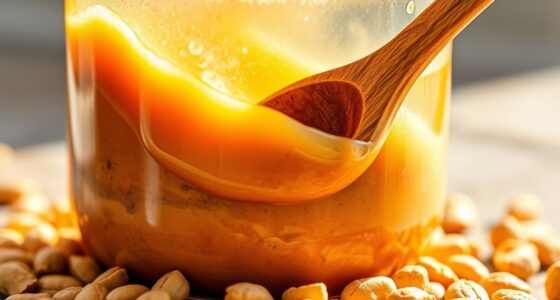
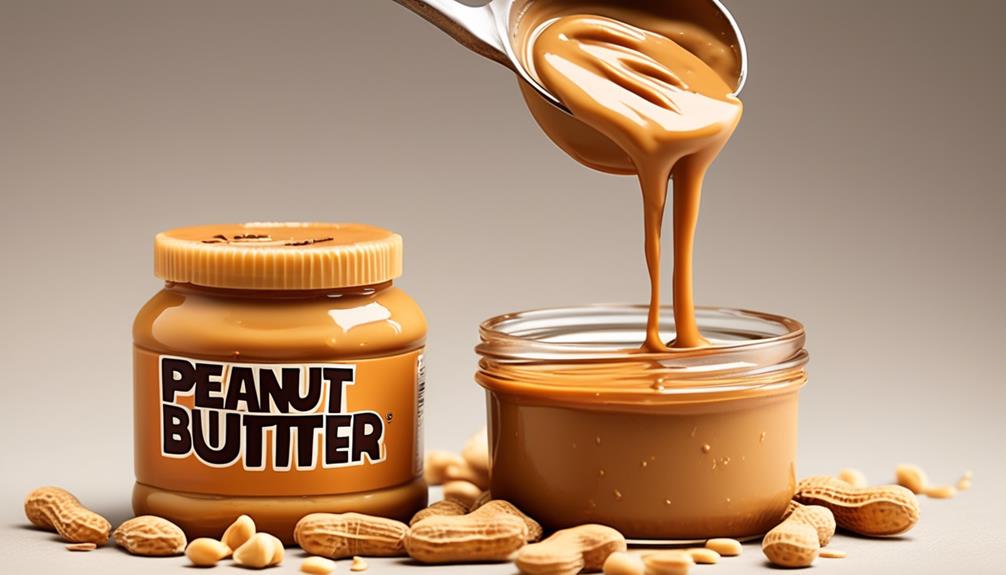
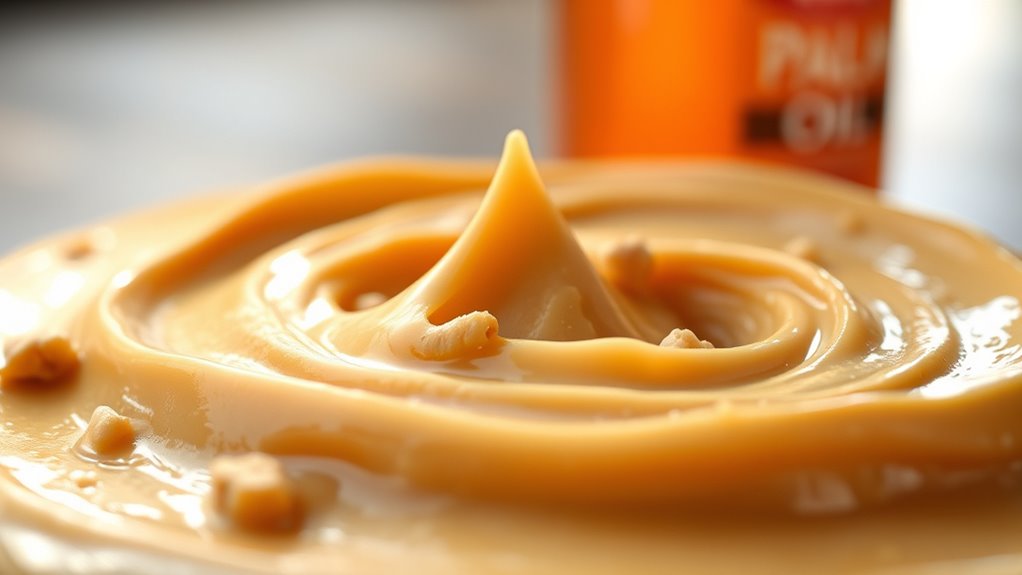
Have you ever wondered why some peanut butter brands list palm oil among their ingredients? It’s a common question, especially if you’re trying to make informed choices about what you eat. Palm oil serves a few purposes in peanut butter, primarily enhancing texture and extending shelf life. When you spread that creamy goodness on your toast, you might appreciate the smooth consistency that palm oil helps maintain, as it prevents separation. This can be particularly appealing if you prefer your peanut butter already mixed and ready to use.
Some peanut butter brands use palm oil to enhance texture and prevent separation, ensuring a smooth, ready-to-use spread.
However, the use of palm oil also raises concerns about sustainable sourcing. The palm oil industry has faced criticism for its environmental impact, including deforestation and habitat destruction. As a conscientious consumer, you might want to look for brands that prioritize sustainable sourcing practices. Some companies are committed to sourcing palm oil from certified sustainable plantations, which aim to minimize environmental damage while supporting local communities. By choosing these brands, you can indulge in your peanut butter fix without compromising your values regarding sustainability.
Beyond environmental concerns, it’s essential to contemplate the health implications of palm oil in your peanut butter. While palm oil is plant-based and contains some beneficial nutrients, it’s also high in saturated fats. This can be a double-edged sword. On one hand, moderate consumption of saturated fats can be part of a balanced diet. On the other hand, excessive intake may lead to health issues like elevated cholesterol levels and an increased risk of heart disease. So, if you’re watching your saturated fat intake, it’s worth checking the nutritional labels of the peanut butter you choose.
Another factor to keep in mind is how palm oil interacts with other ingredients. Some peanut butter brands blend it with natural oils to achieve a specific texture or flavor profile. This could mean you’re getting a product that’s not only tasty but also has a longer shelf life, reducing the chances of spoilage. With that said, you should always weigh the benefits against the potential health implications. Additionally, proper storage in airtight containers can help maintain the freshness of your peanut butter for a longer time.
In the end, understanding why palm oil is added to peanut butter can help you make better choices. By choosing brands that focus on sustainable sourcing and being aware of the health implications, you can enjoy your peanut butter without any guilt. So, next time you reach for that jar, you can feel good about what you’re putting on your plate.
sustainable palm oil peanut butter
As an affiliate, we earn on qualifying purchases.
As an affiliate, we earn on qualifying purchases.
Frequently Asked Questions
Is Palm Oil Sustainable for the Environment?
Palm oil can be sustainable for the environment if it’s sourced from farms that practice sustainable farming methods. When you choose products made with certified sustainable palm oil, you help reduce the negative environmental impact associated with deforestation and habitat loss. It’s important to support brands that prioritize eco-friendly practices. By doing so, you contribute to a more sustainable future and encourage responsible sourcing in the palm oil industry.
Does Palm Oil Affect Peanut Butter’s Taste?
When you savor a spoonful of peanut butter, you’re indulging in a symphony of flavors, much like a fine wine pairing. Palm oil can enhance that taste, acting as a flavor preservative that keeps your peanut butter creamy and fresh. While it may not substantially alter the classic peanut taste, it helps maintain texture and richness. So, you get a delightful spread that’s both delicious and consistent, making your snack experience even better.
Can Palm Oil Cause Allergic Reactions?
Yes, palm oil can cause allergic reactions in some individuals, but it’s not common. If you’re concerned, always check ingredient labels carefully. Allergies can vary widely, so if you’ve had reactions to other oils or similar products, it’s best to consult your doctor. They can provide guidance tailored to your situation. Always listen to your body, and don’t hesitate to avoid products that contain palm oil if you suspect it’s a trigger for you.
Is Palm Oil Vegan-Friendly?
Yes, palm oil can be vegan-friendly, but you need to take into account ethical concerns. Just because it’s plant-based doesn’t mean it’s produced responsibly. Many brands don’t have vegan certification, raising questions about sustainability and animal welfare. You might feel conflicted about choosing products with palm oil due to its environmental impact. Always check for certifications and research brands to verify their palm oil is sourced sustainably, aligning with your values as a conscious consumer.
What Is the Nutritional Value of Palm Oil?
Palm oil packs a caloric content of about 120 calories per tablespoon, making it a high-energy food. Its nutritional benefits include a good balance of saturated and unsaturated fats, which can support heart health when consumed in moderation. You’ll also find vitamins A and E, which are antioxidants that help protect your cells. So, if you’re looking for energy and some nutritional perks, palm oil can be a valuable addition to your diet.
Conclusion
Incorporating palm oil in peanut butter isn’t just a trend; it’s a practical choice. It enhances texture, extends shelf life, and keeps that creamy goodness intact. So, the next time you spread that velvety delight on your toast, remember that palm oil plays its part behind the scenes. Like a silent partner in a dance, it helps your favorite snack stay fresh and delicious, ensuring you savor every last bite without a worry in the world.
Halloween Picks
halloween
As an affiliate, we earn on qualifying purchases.