To grease pans with butter for even coverage, start by removing a small piece of butter from the stick. Use your fingers, a paper towel, or a brush to apply an even coat across all surfaces, including corners and edges. Make sure there are no bare spots, as they can lead to sticking. Once you’ve greased the pan well, set it aside before pouring in your batter. There’s more to discover about choosing the right greasing technique!
Key Takeaways
- Use a small piece of butter, applying it with your fingers, a paper towel, or a brush for even coverage.
- Ensure you cover all surfaces, including corners and edges, to avoid bare spots.
- Aim for an even coat of butter to prevent sticking and ensure smooth batter application.
- Allow the greased pan to sit briefly before pouring in the batter for optimal results.
- Lightly grease even non-stick pans for an extra layer of protection against sticking.

When you’re ready to bake, greasing your pans with butter is a simple yet essential step to guarantee your treats come out easily. You want to ensure that your cakes, brownies, or cookies slide out without sticking, and butter is a classic choice for this task. Start by taking a stick of butter and removing a small piece. It doesn’t have to be much—just enough to cover the surface of your pan. If you prefer, you can also use a paper towel or your fingers to spread it evenly. Make sure you get into all the corners and edges; otherwise, you risk having parts of your baked goods cling to the pan.
If you’re using a non-stick pan, you might think you can skip this step, but it’s still a good idea to grease it lightly. Greasing creates an extra layer of protection, ensuring your treats come out perfectly every time. As you spread the butter, be mindful of applying an even coat. You don’t want any bare spots where your batter could stick. Once you’re done, you can set the pan aside and focus on your batter, confident that you’ve done your part in preventing disaster.
For those who can’t or prefer not to use butter, there are plenty of baking alternatives available. Vegetable oil, coconut oil, or even shortening can work well as butter substitutes. If you choose to use oil, just pour a small amount into the pan and use a brush or paper towel to spread it evenly. Keep in mind that some substitutes might alter the flavor slightly, so choose one that complements your recipe.
If you’re looking for healthier options, consider using applesauce or mashed bananas as greasing agents. These natural substitutes can add moisture to your baked goods while keeping them from sticking. Just remember that these alternatives might change the final texture and taste of your treats, so it’s wise to experiment and find what you like best.
In the end, whether you stick with classic butter or try a baking alternative, the key is even coverage. A well-greased pan sets the stage for delicious results, transforming your baking endeavors into sweet successes. So, grab your butter or your chosen substitute, and get ready to create something delicious!
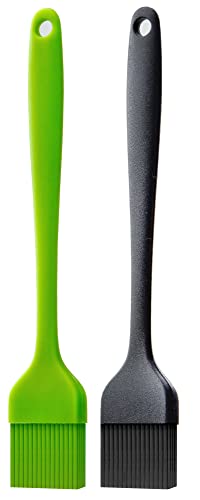
Ortarco Silicone Basting Pastry Brush for Baking Cooking Bbq Grill Spread Oil Butter Sauce 2 Pack
- BPA-Free Silicone Material: Safe and non-toxic
- High Temperature Resistance: Up to 446℉
- Easy to Clean: Dishwasher safe
As an affiliate, we earn on qualifying purchases.
As an affiliate, we earn on qualifying purchases.
Frequently Asked Questions
Can I Use Margarine Instead of Butter for Greasing Pans?
Yes, you can use margarine instead of butter for greasing pans. Margarine is a popular butter alternative that mimics butter’s consistency, making it suitable for baking. Just make sure you spread it evenly to prevent sticking. Keep in mind that some margarine brands might contain additives that could affect your baked goods. If you prefer a healthier option, consider using oil or cooking spray as alternatives for greasing. Enjoy your baking!
How Do I Know if the Pan Is Properly Greased?
You’ll know the pan’s properly greased if you see a shiny, even layer of butter coating the surface. Look for visual cues like a smooth, glossy finish without any dry spots. After baking, check for any pan residue sticking to the edges; if it’s clean, you’ve done it right. If you notice food clinging, it means you might need to grease it better next time to guarantee easy release.
Is It Necessary to Grease Non-Stick Pans?
You might think non-stick pans don’t need greasing, but it’s a good idea to use a little butter or oil. Just like a classic baking technique, proper pan maintenance guarantees your baked goods release easily and helps prolong your pan’s life. A light coating can enhance flavor and texture, making your treats even better. So, don’t skip this simple step; it can make all the difference in your baking adventures!
What Type of Butter Is Best for Greasing Pans?
For greasing pans, unsalted butter is your best bet. Its butter consistency spreads easily, ensuring an even layer that prevents sticking. Plus, using unsalted butter enhances the flavor of your baked goods without adding extra saltiness. If you want a more robust taste, consider using clarified butter, which has a higher smoke point and a rich flavor. Just remember to apply it generously for ideal results!
Can I Reuse Butter From Greasing a Pan?
You can reuse butter from greasing a pan, but it’s best to contemplate its condition first. If the butter looks clean and hasn’t picked up any burnt bits, it can add to your greasing efficiency. Just strain it to remove any particles, and store it properly. However, if it looks or smells off, it’s better to toss it. Always prioritize freshness for your next baking adventure!
Conclusion
Now that you know how to grease pans with butter for even coverage, you can confidently tackle any baking project. Remember, using butter not only prevents sticking but also adds a rich flavor that enhances your treats. In fact, studies show that about 70% of home bakers prefer butter over other greasing methods. So grab that stick of butter, and enjoy the satisfaction of perfectly baked goods every time! Happy baking!