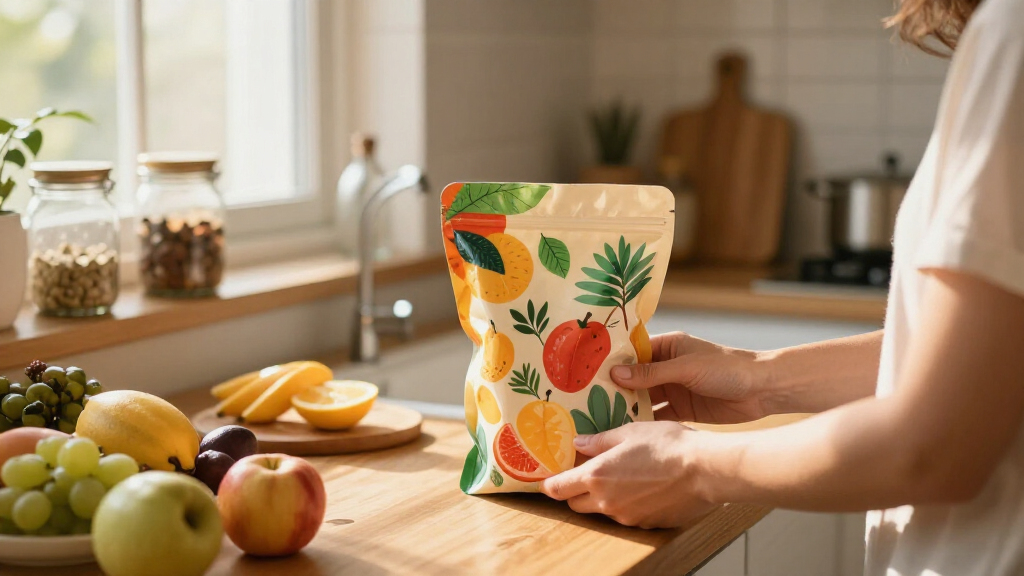

The best organic fruit pouches pair age-appropriate blends with practical portions, useful variety, and a pack size that matches how quickly a household uses them. My best overall pick is the Happy Baby Organics Stage 2 Fruit and Veggie Variety Pack in the 16-pack format because its 4-ounce portions and mixed assortment offer the broadest everyday flexibility. Kirkland Signature’s 24-pack is the stronger value choice for frequent pouch users, while Happy Tot Super Morning stands apart for older toddlers who benefit from fruit-and-oat breakfast blends. The main tradeoffs are fruit-only versus fruit-and-vegetable recipes, 3.2- versus 4-ounce servings, age-stage labeling, and the risk of buying too many unfamiliar flavors. Continue reading for my full breakdown of which pouch format makes the most sense for each buyer.

Get kitchen staples and gadgets delivered free with Prime
- Fast, free delivery on millions of items
- Prime Video, Amazon Music and more included
- Member-only deals all year
Key Takeaways
- Happy Baby’s 16-pack variety format earns the top position because it combines 4-ounce servings with fruit-and-vegetable diversity, giving it wider everyday appeal than the single-flavor and smaller-portion choices.
- Kirkland’s 24-count box offers the clearest value proposition for regular use, but its larger commitment makes less sense when a child is still developing flavor preferences.
- The lineup divides into two distinct groups: Stage 2 blends for younger eaters and Stage 4 or school-snack options for older children, so age fit matters more than brand familiarity.
- Fruit-and-oat blends, led by Happy Tot Super Morning and Gerber Banana Blueberry Blackberry Oatmeal, have more breakfast utility than the fruit-forward GoGo squeeZ and Peter Rabbit packs.
- Pack size changes the buying decision as much as flavor: single and four- to six-count options reduce trial risk, while 24- and 48-count boxes suit established favorites and predictable routines.


| organic fruit pouch | Pouch size |
|---|---|
| Happy Baby Organics Stage 2 Fr | 4 ounces |
| Kirkland Signature Organic Fru | — |
| Signature Organic Fruit and Ve | — |
| Peter Rabbit Organics Fruit Fl | — |
| Gerber Organic Pear Peach Stra | 3.5 ounces |
| Gerber Organic Baby Food Pouch | 3.5 ounces |
| Plum Organics Peach | 4 ounces |
| Gerber Stage 2 Organic Pear Pe | 3.5 ounces |
| Gerber Organic Baby Food Pouch | 3.5 ounces |
| Happy Baby Organics Stage 2 Ba | 4 ounces |
| GoGo squeeZ No Sugar Added Org | 3.2 oz |
| GoGo squeeZ No Sugar Added Org | 3.2 oz |
| Happy Tot Organics Stage 4 Sup | 4 oz |
| Plum Organics Stage 2 Organic | 4 oz |
| Happy Tot Organics Stage 4 Fru | 4 oz |
More Details on Our Top Picks
Happy Baby Organics Stage 2 Fruit & Veggie Variety Pack
I rank Happy Baby Organics Stage 2 Variety Pack first because its fruit-and-vegetable assortment, 4-ounce portions, and Stage 2 focus offer the best balance for babies developing broader tastes. Its clear packaging gives caregivers a visibility benefit not listed for Kirkland Signature Organic Pouches. Compared with the fruit-focused Peter Rabbit Organics pack, Happy Baby introduces vegetables alongside fruit, making it better suited to varied flavor exposure. The USDA organic, non-GMO, vegan, and gluten-free profile also accommodates more household preferences. The tradeoff is quantity: 10 pouches provide less pantry coverage than the 18-count Peter Rabbit or 24-count Kirkland packs. These are also limited to smooth fruit-and-vegetable purees, with no grains or protein-rich ingredients, and an opened pouch may be awkward to reseal.
Pros:- USDA organic and non-GMO ingredient standards
- Fruit-and-vegetable variety supports broader flavor exposure
- Clear packaging makes the puree visible
- Vegan and gluten-free formulation
Cons:- Ten-count pack runs out faster than the larger Kirkland and Peter Rabbit packs
- Puree-only selection lacks grains and protein-rich ingredients
- Pouches may be difficult to reseal after opening
Best for: Caregivers introducing Stage 2 babies to varied organic fruit and vegetable flavors while accommodating vegan or gluten-free diets
Not ideal for: Families seeking a large pantry pack, grain-based blends, added protein, or a reliably resealable pouch
- Pouch size:4 ounces
- Pack size:10 pouches
- Food stage:Stage 2
- Puree type:Fruit and vegetable
- Organic standard:USDA organic
- GMO status:Non-GMO
- Dietary profile:Vegan and gluten-free
- Packaging:Clear pouch
Our verdict“This is my strongest all-around pick for Stage 2 babies who need organic variety more than bulk quantity.”
Kirkland Signature Organic Fruit & Vegetable Pouches
I place Kirkland Signature Organic Fruit & Vegetable Pouches in the bulk role because the 24-count box gives frequent snackers much more pantry coverage than Happy Baby’s 10-count pack. Each 3.2-ounce pouch is smaller than Happy Baby or Peter Rabbit’s 4-ounce portions, which can reduce leftovers for younger children but may feel light for older kids. The no-sugar-added recipe keeps the focus on fruit and vegetables rather than sweeteners. Organic Fruit and Vegetable Pouches by Signature matches the 24-pouch quantity and explicitly highlights resealable packaging and multiple kitchen uses; Kirkland’s supplied details do not make either promise. Buyers also face packaging that may vary, and the listed 15-pound package weight suggests a bulky order. I favor this for routine grab-and-go use, not for occasional snacking or buyers wanting detailed flavor information.
Pros:- Twenty-four pouches provide strong pantry coverage
- No added sugar
- Compact 3.2-ounce portions suit lunchboxes and short outings
- Made with organic ingredients
Cons:- Smaller serving may not satisfy older children
- Packaging may vary between orders
- Large listed package weight may be excessive for low-use households
Best for: High-use households that want 24 small organic fruit-and-vegetable snacks for lunchboxes, travel, or regular pantry stocking
Not ideal for: Occasional users and older children who need larger servings or buyers who want clearly documented flavors and resealability
- Quantity:24 pouches
- Size per pouch:3.2 ounces
- Ingredients:Organic fruit and vegetables
- Added sugar:None
- Country of origin:United States
- Package dimensions:9.8 x 5.6 x 5.6 inches
- Listed package weight:15 pounds
Our verdict“I recommend this pack for families that prioritize organic bulk convenience over larger portions and detailed flavor choices.”
Signature Organic Fruit and Vegetable School Snack Variety Pack
I give Signature Organic Fruit and Vegetable Pouches the multipurpose spot because these 3.17-ounce pouches can serve as standalone snacks, smoothie ingredients, or baking additions. That flexibility separates them from Kirkland Signature’s similarly sized 24-pack, which is presented mainly as an on-the-go snack. The resealable format is also useful when a baby or toddler does not finish a pouch at once. Still, the listed apple, banana, and sweet potato selection is narrower than Peter Rabbit Organics’ broader fruit ingredient list. My larger reservation is the organic documentation: the ingredients are described as 100% organic, but no specific certification details are supplied. Plastic pouch waste is another drawback for frequent users. This pack earns its place through versatility and all-age appeal, though buyers who prioritize clearly stated USDA certification should choose Happy Baby or Peter Rabbit instead.
Pros:- Resealable pouches help manage unfinished portions
- Suitable for snacking, smoothies, and baking
- No added sugars, preservatives, or artificial flavors
- Twenty-four-count pack serves multiple age groups
Cons:- Only a limited apple, banana, and sweet potato selection is listed
- Specific organic certification details are not provided
- Plastic pouches create substantial packaging waste
Best for: Households that want resealable organic puree for children, adult snacks, smoothies, and baking rather than a baby-only product
Not ideal for: Certification-focused buyers or families wanting a wide flavor rotation and lower-packaging-waste snacks
- Quantity:24 pouches
- Size per pouch:3.17 ounces
- Ingredient standard:100% organic fruits and vegetables
- Listed flavors:Apple, banana, and sweet potato
- Added sugar:None
- Preservatives:None
- Artificial flavors:None
- Closure:Resealable pouch
Our verdict“This is my pick for mixed-age households that value kitchen versatility and resealability more than extensive flavors or explicit certification details.”
Peter Rabbit Organics Fruit Flavors Variety Pack
I choose Peter Rabbit Organics Fruit Flavors Variety Pack for buyers who want a clearly certified, fruit-led assortment in substantial 4-ounce servings. Its named ingredients span banana, mango, orange, raspberry, blueberry, and lemon juice concentrate, offering broader fruit exposure than the single pear-peach-strawberry Gerber pouch. The 18-pouch supply also lasts longer than Happy Baby’s 10-pack without reaching Kirkland’s larger 24-count commitment. USDA organic and non-GMO labeling strengthens its case for shoppers focused on sourcing, while BPA-free squeezable packaging supports travel and independent eating. The main compromise is nutritional range: unlike Happy Baby, this pack does not introduce vegetables. The exact flavor distribution, shelf life, and storage guidance are not supplied, making advance planning harder. A potentially higher price than conventional snacks also makes this better for committed organic buyers than bargain-focused households.
Pros:- USDA Certified Organic and non-GMO ingredients
- Broader named fruit selection than the Gerber single blend
- Eighteen full-size 4-ounce pouches
- BPA-free squeezable packaging
Cons:- Fruit-focused selection lacks vegetable variety
- Flavor distribution, shelf life, and storage details are not provided
- May cost more than comparable non-organic snacks
Best for: Families with children aged six months or older who want certified organic fruit variety in full 4-ounce portions
Not ideal for: Buyers seeking vegetable exposure, clearly documented flavor quantities, storage guidance, or the lowest snack cost
- Quantity:18 pouches
- Size per pouch:4 ounces
- Organic standard:USDA Certified Organic
- GMO status:Non-GMO
- Named fruits:Banana, mango, orange, raspberry, blueberry, and lemon
- Packaging:BPA-free squeezable pouch
- Recommended age:6 months and older
Our verdict“I favor this pack for families committed to certified organic fruit variety who do not need vegetables in every pouch.”
Gerber Organic Pear Peach Strawberry Pouch
I assign Gerber Organic Pear Peach Strawberry the trial-pouch role because its single 3.5-ounce listing lets caregivers introduce one Stage 2 blend without committing to Gerber’s 12-pack of the same flavor. The pear, peach, and strawberry combination supplies two fruit servings with no added sweeteners, artificial colors, or artificial flavors. Compared with Happy Baby’s variety pack, however, this pouch offers neither vegetable exposure nor multiple recipes, so it is a narrower choice for developing tastes. Its re-closeable design is more practical for unfinished portions than Happy Baby’s potentially difficult-to-reseal format. Buyers should still account for naturally occurring fruit sugars, and babies must already be ready for Stage 2 textures. I rank it below the variety packs for routine buying, but it makes sense when a caregiver wants a low-commitment flavor check before ordering multiples.
Pros:- Single-pouch format limits commitment when trying the flavor
- Provides two servings of fruit
- No added sweeteners, artificial colors, or artificial flavors
- Re-closeable pouch supports divided servings
Cons:- One blend offers less variety than the Happy Baby and Peter Rabbit packs
- Contains naturally occurring fruit sugars
- Suitable only for babies ready for Stage 2 textures
Best for: Caregivers who want to trial a specific organic Stage 2 fruit blend before buying a multipack
Not ideal for: Families seeking vegetable exposure, low natural sugar, several flavors, or food for babies not yet ready for Stage 2 textures
- Pouch size:3.5 ounces
- Food stage:Stage 2
- Fruit blend:Pear, peach, and strawberry
- Fruit servings:2 servings
- Added sweeteners:None
- Artificial colors:None
- Artificial flavors:None
- Closure:Re-closeable pouch
Our verdict“I recommend this pouch as a low-commitment Stage 2 flavor trial rather than a varied everyday pantry solution.”
Gerber Organic Baby Food Pouches, 2nd Foods, Fruit & Veggie Variety Pack
I rank the Gerber Fruit & Veggie Variety Pack as the strongest choice here for parents who want babies to encounter several flavor combinations without buying separate boxes. Its three blends pair familiar fruits with spinach, carrot, or mango, offering more range than the Gerber Pear Peach Strawberry 12-pack. The 18-pouch supply also suits regular use better than Plum Organics’ four-pack. Each recipe omits added sweeteners, colors, and flavors, keeping the focus on organic produce. The tradeoff is commitment: families must store 18 small pouches, and a baby who rejects one blend leaves six less-useful servings. At 3.5 ounces, these are also smaller than Happy Baby Organics’ 4-ounce pouches. I see this as a variety-first Stage 2 buy, not the best match for older children seeking a larger snack.
Pros:- Three distinct blends introduce a wider range of fruits and vegetables
- No added sweeteners, colors, or flavors
- Eighteen-pouch pack supports frequent feeding and fewer reorders
- Reclosable format is practical for travel and divided servings
Cons:- Any disliked flavor leaves multiple unwanted pouches
- Opened pouches require refrigeration and use within one day
- Stage 2 texture and 3.5-ounce portion have limited appeal for older toddlers
Best for: I recommend it for parents of Stage 2 babies who want several fruit-and-vegetable blends in one substantial supply.
Not ideal for: I would skip it for older toddlers or households unwilling to commit to six pouches of each included blend.
- Quantity:18 pouches
- Pouch Size:3.5 ounces
- Total Net Content:63 ounces
- Feeding Stage:Stage 2
- Flavor Count:3 blends
- Flavors:Apple Blueberry Spinach; Pear Peach Strawberry; Carrot Apple Mango
- Added Ingredients:No added sweeteners, colors, or flavors
Our verdict“This is my pick for Stage 2 families who value flavor range more than larger portions or a single dependable recipe.”
Plum Organics Peach, Banana & Apricot Baby Food Pouches
The Plum Organics Peach, Banana & Apricot pack earns its place as a low-commitment way to try an organic tropical-stone-fruit blend. Four 4-ounce pouches are easier to finish than Gerber’s 12- or 18-count boxes if a baby’s preferences are still changing. It also carries USDA Organic, non-GMO, and Kosher Parve credentials, giving label-focused shoppers more stated certification detail than several Gerber options in this group. Compared with the Gerber Fruit & Veggie Variety Pack, though, this box supplies only one recipe and no vegetable blend, so it offers less exposure to contrasting flavors. Banana may make the puree approachable, but an all-fruit formula can deliver more natural sugar than mixed fruit-and-vegetable choices. I favor this as a careful first purchase, while frequent pouch users will find the four-count format less economical and less convenient to restock.
Pros:- Four-pack limits waste if the flavor is not accepted
- USDA Organic, non-GMO, and Kosher Parve certifications
- Unsalted and unsweetened fruit blend
- Four-ounce pouch provides more puree than the 3.5-ounce Gerber options
Cons:- Single flavor offers no variety within the pack
- All-fruit recipe may be relatively high in naturally occurring sugars
- Small pack requires frequent reordering for regular use
Best for: I recommend it for parents introducing pouches who want a certified organic four-pack before committing to a bulk box.
Not ideal for: I would skip it for high-volume households or parents seeking vegetables, multiple recipes, or lower fruit-sugar exposure.
- Pack Size:4 pouches
- Pouch Size:4 ounces
- Total Net Content:16 ounces
- Age Range:6 months and older
- Flavor:Peach, banana, and apricot
- Certifications:USDA Organic, Non-GMO, Kosher Parve
- Seasoning and Sweetening:Unsalted and unsweetened
Our verdict“This is my choice for cautious first-time buyers who prefer a small certified-organic pack over bulk value or broad flavor variety.”
Gerber Stage 2 Organic Pear Peach Strawberry Pouches
I give the Gerber Pear Peach Strawberry 12-pack the single-blend role because it offers a sensible middle ground between a trial box and a large mixed case. Each pouch provides two fruit servings without added sweeteners or artificial colors, making it a straightforward fruit-focused choice for Stage 2 feeding. Compared with Plum Organics Peach, Banana & Apricot, Gerber provides three times as many pouches but slightly smaller 3.5-ounce portions. It is also less adventurous than the Gerber Fruit & Veggie Variety Pack, which includes three recipes and vegetable ingredients. That consistency can help families stocking a flavor their baby already accepts, yet it becomes the main weakness if preferences change. The pack may also cost more than preparing puree at home. I reserve this pick for repeat buyers who already know the blend works, rather than parents still identifying favorite flavors.
Pros:- Two fruit servings are provided in each pouch
- No added sweeteners or artificial colors or flavors
- Twelve-pack balances supply with less commitment than larger cases
- Reclosable pouches travel easily and allow divided feeding
Cons:- Every pouch has the same flavor blend
- Stage 2 format is not aimed at older toddlers
- Can cost more than homemade fruit puree
Best for: I recommend it for parents of Stage 2 babies who already favor pear, peach, and strawberry and want a moderate stock-up.
Not ideal for: I would skip it for flavor exploration, vegetable exposure, or families seeking the lowest-cost alternative to homemade puree.
- Pack Count:12 pouches
- Pouch Size:3.5 ounces
- Total Net Content:42 ounces
- Feeding Stage:Stage 2
- Flavor:Pear, peach, and strawberry
- Fruit Content:Two fruit servings per pouch
- No Added:Sweeteners, artificial colors, or artificial flavors
Our verdict“This makes the most sense as a reliable stock-up after a Stage 2 baby has already accepted the pear-peach-strawberry blend.”
Gerber Organic Baby Food Pouches, Stage 2, Banana Blueberry Blackberry Oatmeal
The Gerber Banana Blueberry Blackberry Oatmeal pouch has the most distinct nutritional role in this group: it combines fruit with oatmeal and includes DHA and choline rather than offering fruit puree alone. That makes it better suited to parents seeking a more substantial fruit-and-grain combination than the Gerber Pear Peach Strawberry pouch. The banana and berries provide a familiar fruit base, while the oatmeal broadens texture and ingredient exposure for babies six months and older. Still, this is not the purest fit for shoppers who interpret “fruit pouch” as fruit only, and every pouch repeats the same recipe. Happy Baby Organics’ 16-pack also supplies broader fruit-and-vegetable variety and a larger 4-ounce portion. I place Gerber’s oatmeal blend in a specialist slot: useful for dietary variety, but less flexible for families who want multiple flavors or grain-free recipes.
Pros:- Oatmeal adds grain exposure beyond a standard fruit puree
- DHA and choline are included to support brain development
- No added sugars, artificial colors, or artificial flavors
- Twelve portable pouches suit regular Stage 2 feeding
Cons:- Single recipe provides no pack-level variety
- Oatmeal makes it unsuitable for buyers seeking fruit-only pouches
- Stage 2 positioning limits its usefulness for older children
Best for: I recommend it for parents of babies six months and older who want organic fruit paired with oatmeal plus DHA and choline.
Not ideal for: I would skip it for grain-free households, fruit-only shoppers, or babies who need several flavors within one box.
- Pack Size:12 pouches
- Pouch Size:3.5 ounces
- Total Net Content:42 ounces
- Feeding Stage:Stage 2
- Age Range:6 months and older
- Flavor:Banana, blueberry, blackberry, and oatmeal
- Added Nutrients:DHA and choline
- No Added:Sugars, artificial colors, or artificial flavors
Our verdict“This is my specialist pick for Stage 2 families who want a fruit pouch with oatmeal and added developmental nutrients.”
Happy Baby Organics Stage 2 Baby Food Pouches, Fruit & Veggie Puree Variety Pack
I rank the Happy Baby Organics Stage 2 Variety Pack highest for households balancing organic standards with stated dietary needs. Its USDA Organic, non-GMO, vegan, and gluten-free positioning is more accommodating than the grain-containing Gerber Banana Blueberry Blackberry Oatmeal recipe. The clear packaging also lets caregivers inspect the puree before serving, a practical distinction that opaque pouches do not offer. Sixteen 4-ounce pouches provide larger portions than Gerber’s 3.5-ounce choices, while fruit-and-vegetable variety supports broader flavor exploration. The compromise is that these remain produce-only purees, without the oatmeal, DHA, or choline found in Gerber’s grain blend, so they may not feel as substantial. Plastic pouch waste is another meaningful drawback for frequent users. I see this as the most flexible dietary pick, while the Gerber 18-pack wins for shoppers prioritizing a larger count and clearly listed flavor combinations.
Pros:- USDA Organic and non-GMO ingredient standards
- Vegan and gluten-free for broader dietary compatibility
- Clear pouches allow visual inspection before serving
- Sixteen 4-ounce servings combine useful quantity with larger portions
Cons:- Fruit-and-vegetable purees do not provide a meaningful protein source
- Lacks the grains and added nutrients available in Gerber’s oatmeal blend
- Single-use plastic pouches create substantial packaging waste
Best for: I recommend it for families needing vegan, gluten-free, USDA Organic Stage 2 pouches with fruit-and-vegetable variety.
Not ideal for: I would skip it for parents seeking added protein, grains, DHA, or a lower-waste packaging format.
- Pack Count:16 pouches
- Pouch Size:4 ounces
- Total Net Content:64 ounces
- Feeding Stage:Stage 2
- Puree Type:Fruit and vegetable variety
- Dietary Suitability:Vegan and gluten-free
- Certifications:USDA Organic and Non-GMO
- Packaging:Clear pouches
Our verdict“This is my preferred option for dietary flexibility and visible puree, provided added protein and lower-waste packaging are not priorities.”
GoGo squeeZ No Sugar Added Organic Applesauce and Fruit Puree Variety Pack
I assign GoGo squeeZ Variety Pack this role because its mix of apple, strawberry, and banana gives families more choice without moving away from 100% organic fruit. That makes it more adaptable than the single-flavor GoGo squeeZ Apple Strawberry 48-pack, especially when children tire of repeated lunches. The shelf-stable, recloseable format also suits backpacks and travel, while the gluten-, dairy-, and nut-free formulation simplifies shopping for households managing several dietary restrictions. The tradeoff is portion size: each 3.2-ounce pouch supplies only half a fruit serving, so I view it as a light snack rather than a substantial one. Its 12-count box also costs more per pouch than many bulk or non-organic alternatives, and the selection still revolves around three familiar fruits rather than adventurous blends.
Pros:- Uses 100% organic fruit with no added sugar
- Three-fruit assortment reduces flavor repetition
- Recloseable, shelf-stable packaging works well for travel
- Gluten-free, dairy-free, nut-free, Non-GMO, and BPA-free
Cons:- Provides only half a serving of fruit per pouch
- Costs more than many non-organic fruit pouches
- Flavor range remains fairly conventional
Best for: Families with school-age children who want several allergen-friendly organic fruit flavors in a manageable 12-pouch box
Not ideal for: Bulk shoppers or parents seeking a full fruit serving from each individual pouch
- Pouch Size:3.2 oz
- Pack Count:12 pouches
- Fruit Flavors:Apple, strawberry, and banana
- Fruit Content:100% organic fruit
- Added Sugar:None
- Storage:Shelf-stable
- Package:Recloseable BPA-free pouch
- Dietary Features:Gluten-free, dairy-free, nut-free, and Non-GMO
Our verdict“I recommend this pack for families prioritizing flavor choice and dietary flexibility over maximum portion size or bulk value.”
GoGo squeeZ No Sugar Added Organic Applesauce and Fruit Puree Apple Strawberry
I place GoGo squeeZ Apple Strawberry in the bulk slot because its 48-pouch case is built for families packing snacks almost every day. Compared with the 12-count GoGo squeeZ Variety Pack, it offers fewer flavor choices but reduces how often a household needs to reorder. The organic apple-and-strawberry puree contains no added sugar or artificial ingredients, and its shelf-stable pouch keeps lunch preparation simple. A recloseable cap and built-in straw also help limit spills when children eat away from a table. Buyers pay for that convenience in two ways: the single flavor may create snack fatigue, and 48 disposable pouches generate more packaging waste than reusable containers. Children accustomed to sweeter snacks may also find the unsweetened profile less appealing, making this case a risky first purchase for uncertain eaters.
Pros:- Large 48-pouch case supports frequent snack packing
- Made from organic fruit without added sugar or artificial ingredients
- Recloseable design and built-in straw reduce mess
- Shelf-stable and compatible with several dietary restrictions
Cons:- Single-flavor case can lead to snack fatigue
- Large quantity is risky for children who have not tried the flavor
- Individual pouches create substantial packaging waste
Best for: High-use households that regularly pack the same organic apple-strawberry snack for school, daycare, or outings
Not ideal for: Children who need frequent flavor changes or families trying to reduce single-use packaging
- Pouch Size:3.2 oz
- Pack Count:48 pouches
- Flavor:Apple strawberry
- Fruit Content:100% real organic fruit
- Added Sugar:None
- Package:Recloseable BPA-free pouch with built-in straw
- Storage:Shelf-stable
- Dietary Features:Gluten-free, dairy-free, nut-free, kosher, and Non-GMO
Our verdict“I recommend this case for committed apple-strawberry fans who value bulk convenience more than variety or reusable packaging.”
Happy Tot Organics Stage 4 Super Morning Fruit & Oat Variety Pack
I choose Happy Tot Organics Super Morning for toddlers who need more substance than a plain fruit puree provides. Its combination of organic fruit, whole-grain oats, fiber, and omega-3s gives the pouch a breakfast-style profile that the GoGo squeeZ fruit-only packs cannot match. The 4-ounce portion is also larger than GoGo squeeZ’s 3.2-ounce format. Compared with Happy Tot’s Fruit & Veggie Puree, however, this variety emphasizes grains and fruit instead of vegetable diversity. That distinction matters for parents seeking a broad produce mix. I rank it below simpler fruit pouches for ingredient minimalism because it is not purely fruit, and its fruit-forward taste may seem overly sweet to some families even without a stated added-sugar amount. The Stage 4 positioning also makes it unsuitable for babies below the listed age.
Pros:- Combines organic fruit with whole-grain oats
- Includes fiber and omega-3s for a more substantial snack
- Larger 4-ounce serving than the GoGo squeeZ pouches
- USDA Organic, Non-GMO, and gluten-free
Cons:- Not a pure fruit pouch because it includes oats and added nutrients
- Fruit-forward profile may taste too sweet for some families
- Stage 4 formulation is limited to toddlers aged two and older
Best for: Toddlers aged two and older who need a portable organic fruit-and-oat snack with more staying power than plain puree
Not ideal for: Babies under two or families seeking a simple fruit-only pouch without grains or added nutrients
- Pouch Size:4 oz
- Pack Count:16 pouches
- Stage:Stage 4
- Age Range:Toddlers 2 years and older
- Blend Type:Fruit and whole-grain oat varieties
- Added Nutrients:Fiber and omega-3s
- Certification:USDA Organic and Non-GMO
- Dietary Feature:Gluten-free
Our verdict“I recommend this pouch for older toddlers who need a portable morning snack rather than the simplest possible fruit puree.”
Plum Organics Stage 2 Organic Baby Food Pear and Mango
I give Plum Organics Pear and Mango the starter role because its unsalted, unsweetened two-fruit recipe keeps the flavor profile focused for babies aged six months and older. Compared with Happy Tot Super Morning, this Stage 2 blend avoids oats and added nutrients, making it the simpler route for introducing a pouch. It also has a more tropical character than Plum Organics Peach, Banana & Apricot while using fewer fruits at once. The 4-ounce resealable format supports feeding away from home, and USDA Organic certification keeps it aligned with this roundup’s central standard. Its limitations are equally clear: every pouch contains the same pear-mango blend, the six-pack offers less stocking value than larger cases, and texture-sensitive babies may reject a blended puree. Parents wanting vegetables or broader flavor exposure should choose another entry.
Pros:- Simple pear-and-mango blend suited to early flavor exploration
- Unsalted and unsweetened formulation
- USDA Organic, Non-GMO, and Kosher Parve
- Resealable 4-ounce pouch supports feeding on the go
Cons:- Only one flavor is included
- Six-pouch pack offers limited bulk value
- Blended texture may not suit every baby
Best for: Parents introducing an organic two-fruit puree to babies aged six months and older
Not ideal for: Families wanting vegetable blends, a large bulk case, or several flavors in one box
- Pouch Size:4 oz
- Pack Count:6 pouches
- Flavor:Pear and mango
- Age Range:6 months and older
- Feeding Stage:Stage 2
- Sweetening and Salt:Unsweetened and unsalted
- Certifications:USDA Organic, Non-GMO, and Kosher Parve
Our verdict“I recommend this six-pack as a focused organic starter blend for babies ready for Stage 2 fruit puree.”
Happy Tot Organics Stage 4 Fruit & Veggie Puree
I select Happy Tot Organics Fruit & Veggie Puree for parents who want organic produce variety without relying on fruit alone. Its combination of fruits, vegetables, added fiber, and protein is better suited to a more filling toddler snack than the GoGo squeeZ Apple Strawberry pouch. Against Happy Tot Super Morning, this version trades the breakfast-like oat component for vegetables, so the better choice depends on whether produce range or a grain-based morning snack matters more. The USDA Organic and Non-GMO credentials are strong, while gluten-free and vegan labeling helps households working around common dietary preferences. Still, the available data does not identify the individual flavors, making the 16-pack harder to evaluate for selective eaters. The pouch may also be difficult to reseal after opening, and fruit-only shoppers may dislike the vegetable emphasis.
Pros:- Combines organic fruits and vegetables in one portable snack
- Includes fiber and protein for a more substantial toddler option
- USDA Organic and Non-GMO
- Gluten-free and vegan
Cons:- Individual flavor varieties are not specified
- Pouches may be difficult to reseal after opening
- Vegetable content will not suit buyers seeking fruit-only puree
Best for: Families with toddlers aged two and older who want an organic vegan pouch combining fruit, vegetables, fiber, and protein
Not ideal for: Selective eaters who need exact flavor details or buyers specifically seeking a pure fruit snack
- Pouch Size:4 oz
- Pack Count:16 pouches
- Stage:Stage 4
- Age Range:Toddlers 2 years and older
- Ingredients:Organic fruits and vegetables
- Nutritional Additions:Fiber and protein
- Dietary Features:Gluten-free and vegan
- Certifications:USDA Organic and Non-GMO
Our verdict“I recommend this pack for older toddlers who benefit from a broader produce blend and do not require clearly listed individual flavors.”
How We Picked
I ranked these pouches by age and use-case fit, recipe variety, portion size, dietary positioning, pack practicality, and likely value per serving. I gave more weight to products that could cover several snack situations without forcing buyers into a narrow flavor profile. Fruit-and-vegetable variety ranked above repetitive fruit blends for overall versatility, while oatmeal recipes received credit for their more defined breakfast role. I also separated 3.2-ounce school-snack portions from 4-ounce baby and toddler portions, since they serve different appetites and routines.
The order reflects how readily I can recommend each format to its intended buyer, not simply how many pouches come in the box. Smaller trial packs scored well for low commitment, but they could not match the convenience or potential per-pouch value of established bulk favorites. Large boxes moved higher only when their flavors and format had broad enough appeal to justify the commitment. I treated organic positioning as the baseline and used no-sugar-added wording, gluten-free or vegan labeling, and oats or vegetables as meaningful points of separation. Because this is an editorial comparison rather than a hands-on test, my ranking centers on published product format and buyer fit, with tradeoffs stated alongside each recommendation.
Factors to Consider When Choosing Best Organic Fruit Pouches
Choosing among these products starts with the person eating them, not the logo on the box. I would narrow the field by matching developmental stage, recipe type, portion size, and pack count to the household’s routine. The right choice might be a small Gerber trial pouch for a new flavor or a 48-count GoGo squeeZ box for a proven lunchbox favorite. The sections below explain where buyers commonly overbuy, misread labels, or choose a blend that does not match the intended snack.
Match the Stage Label to the Eater
Age-stage labeling helps separate products intended for babies from those aimed at older toddlers, but I would treat it as a starting point rather than the only rule. The Stage 2 selections generally fit younger eaters who are already comfortable with smooth purees and mixed ingredients. Stage 4 Happy Tot pouches are positioned for older toddlers and include combinations such as fruit with oats or vegetables. A common mistake is choosing by flavor alone while overlooking the recipe’s intended developmental stage. I would also match the pouch to the child’s current swallowing and self-feeding skills, following the age guidance on the package. Parents with questions about readiness, allergies, or feeding development should ask their pediatrician before introducing a new format.
Choose Between Fruit-Forward, Vegetable, and Oat Blends
A fruit-forward profile usually has the easiest flavor entry point, which helps explain the appeal of GoGo squeeZ, Peter Rabbit, and the simpler Plum combinations. Blends containing vegetables or oats serve a different purpose: they can widen flavor exposure or create a more substantial snack format. I would not assume a vegetable pictured on the front means it is a major ingredient, so the ingredient order deserves a quick read. Oatmeal blends may suit breakfast routines, but buyers seeking a light lunchbox add-on may prefer a smaller applesauce-based pouch. The useful distinction is the snack versus mini-meal role, not whether one recipe sounds more sophisticated. If a child accepts only familiar fruit, I would introduce a broader blend through a small pack before ordering 16 or 18 pouches.
Balance Pack Size Against Flavor Risk
Pack count can lower ordering frequency and may improve value, but only when every flavor gets eaten. The 24-count Kirkland and Signature boxes fit recurring household or school use, while the 48-count GoGo squeeZ case asks for much more confidence in one flavor. I would compare cost per ounce, not just cost per pouch, because this lineup mixes 3.2-, 3.5-, and 4-ounce servings. Variety packs reduce repetition yet can create leftovers when one blend is unpopular. For a new eater, the smallest suitable pack is often the better buy even if its unit price is higher. Once preferences are clear, moving to a larger box improves pantry turnover and reduces the chance of paying for unwanted flavors.
Read Organic and Sugar Claims Separately
Organic describes how qualifying ingredients are produced; it does not automatically mean a pouch contains no added sugar or has a low total sugar content. A separate no-sugar-added claim, such as the wording on the GoGo squeeZ products, answers a different question. I would still read the ingredient list because juice concentrates, grains, and the order of fruits can change the nutritional profile and taste. The Nutrition Facts panel also helps buyers compare naturally occurring fruit sugar across different serving sizes. Another common mistake is treating every fruit pouch as nutritionally interchangeable simply because the front labels use similar language. My preference is to use organic status as one filter, then judge ingredient order, serving size, and recipe purpose separately.
Fit Portion Size and Dietary Labels to the Routine
The difference between a 3.2-ounce pouch and a 4-ounce pouch looks small, yet it can affect fullness, waste, and lunchbox space across daily use. Smaller GoGo squeeZ and Kirkland formats suit quick snacks and compact bags, while larger Happy Baby, Happy Tot, Peter Rabbit, and Plum portions may better match bigger appetites. I would avoid automatically choosing the largest serving when a child regularly leaves part of a pouch unfinished. Claims such as vegan or gluten-free can narrow the list, but allergy and gluten statements should be checked on the current package rather than inferred from a product family. Pouches should also be served according to the maker’s age and supervision directions, especially when caps are present. Before serving, I would check the intact cap and pouch, expiration date, and storage directions.
Frequently Asked Questions
Should I Buy Stage 2 or Stage 4 Organic Fruit Pouches?
Stage 2 pouches are the more natural starting point for babies already eating smooth purees, while Stage 4 products are aimed at older toddlers with more established feeding skills. The distinction also affects recipe style: this lineup’s Stage 4 choices include fruit with oats or broader fruit-and-vegetable combinations. I would base the choice on current eating ability and the package’s age guidance, not a desire to move up stages quickly. A child who is new to mixed flavors may benefit from a familiar Stage 2 blend before trying a more layered recipe. When developmental readiness is uncertain, a pediatrician can offer guidance tailored to the child.
Does Organic Mean the Pouch Has No Added Sugar?
No, organic and no sugar added are separate label claims. Organic labeling relates to ingredient production standards, while a no-sugar-added statement addresses whether sweeteners were introduced during processing. Fruit still contains naturally occurring sugars, so the Nutrition Facts panel may show sugar even when none was added. I would compare products using the same serving size or calculate the difference when one pouch contains 3.2 ounces and another contains 4 ounces. The ingredient list offers the clearest view of what supplies the sweetness and whether oats or vegetables change the recipe.
Is a Bulk Box Better Than a Variety Pack?
A bulk box is the better purchase when the flavor is already accepted and pouches are used often enough to finish the supply comfortably. A variety pack suits households testing preferences or trying to reduce flavor fatigue, though disliked varieties can weaken its value. I would start with a single pouch or a four- to six-count pack when introducing an unfamiliar blend. The 24- and 48-count formats make more sense after eating habits become predictable. Buyers should compare price per ounce and usable flavors rather than assuming the highest pouch count offers the lowest real cost.
Are Fruit-and-Oat Pouches Better for Breakfast?
Fruit-and-oat pouches fit breakfast routines better than plain fruit puree because the grain changes both the texture and the snack’s composition. Happy Tot Super Morning has the clearest breakfast role in this roundup, while Gerber’s Banana Blueberry Blackberry Oatmeal offers a Stage 2 alternative. I would still view a pouch as one part of breakfast unless the package specifically supports a complete serving for the eater’s needs. Pairing it with another age-appropriate food can add variety in texture and nutrients. Buyers wanting a light snack or the simplest ingredient profile may prefer a fruit-only blend instead.
Which Pouch Size Is Best for Lunchboxes and Travel?
3.2-ounce pouches are the easiest fit for crowded lunchboxes and quick outings, which favors GoGo squeeZ and Kirkland. A 3.5-ounce Gerber pouch sits between compact school formats and larger baby-food portions. Four-ounce pouches give bigger appetites more food but can create waste when the eater rarely finishes one sitting. I would choose the smallest size that reliably satisfies the intended snack occasion, then compare cost per ounce within that size group. For travel, cap design, package condition, storage directions, and supervision guidance matter as much as the extra fraction of an ounce.
Conclusion
For the broadest mix of portion size, recipe variety, and everyday flexibility, my best overall choice is the Happy Baby Organics Stage 2 16-pack. Frequent pouch buyers seeking stronger quantity-based value should start with Kirkland Signature’s 24-pack, provided its flavors are already accepted. I would choose the Peter Rabbit Organics 18-pack as the premium fruit-forward option for buyers who value a dedicated squeezable-snack format over oats or a stronger vegetable focus.
For beginners, the single Gerber Organic Pear Peach Strawberry pouch keeps the commitment low before moving to its 12-pack counterpart. Older toddlers needing a breakfast-oriented blend are better matched with Happy Tot Super Morning, while GoGo squeeZ serves school lunchboxes with compact 3.2-ounce portions and no-sugar-added positioning. Buyers seeking a narrower fruit combination can choose Plum Organics Pear and Mango, while those prioritizing mixed fruit and vegetables should stay with Happy Baby or Happy Tot variety packs.
Fall Picks
fall essentials
As an affiliate, we earn on qualifying purchases.