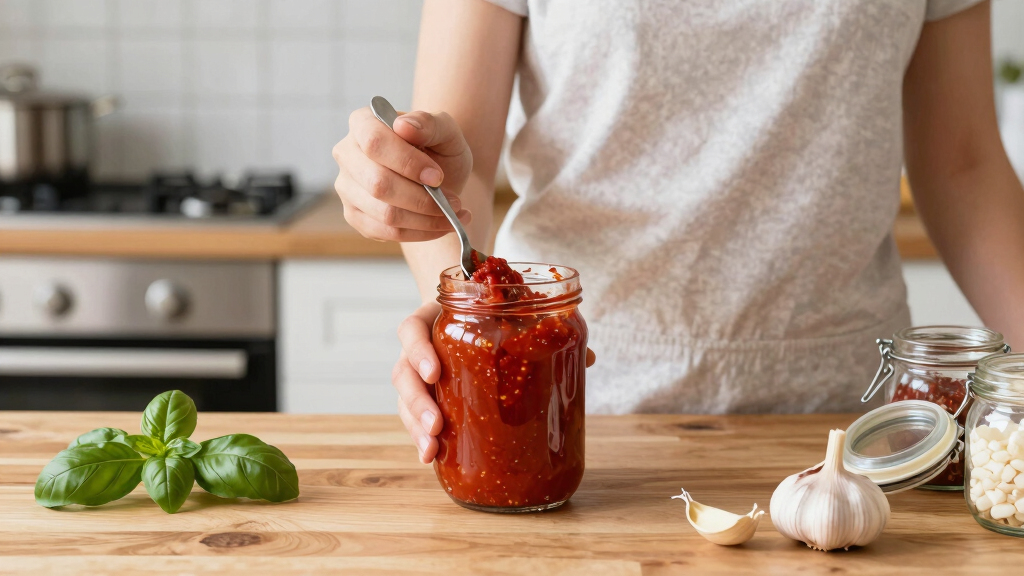

The best jarred marinara sauce for most buyers is Rao’s Homemade Marinara, thanks to its balanced tomato flavor, restrained sweetness, and broad usefulness across pasta, pizza, and baked dishes. 365 Organic Marinara is my value pick for shoppers who want an organic everyday sauce without moving into premium pricing, while Carbone Marinara makes more sense when richer flavor matters more than cost. The main tradeoffs are sweetness, acidity, texture, dietary fit, jar size, and whether a premium sauce saves enough preparation time to justify its price. Larger jars and multipacks can lower the cost per serving, but they are poor buys when leftovers go unused or the sauce is too distinctive for multiple recipes. Continue reading for my full breakdown of which sauces suit different budgets, meals, and dietary priorities.

Get kitchen staples and gadgets delivered free with Prime
- Fast, free delivery on millions of items
- Prime Video, Amazon Music and more included
- Member-only deals all year
Key Takeaways
- Rao’s Homemade Marinara earns the best overall position because its balanced profile is more versatile than Carbone‘s richer style and less sweet than Prego‘s familiar crowd-pleasing approach.
- 365 Organic Marinara offers the strongest value balance, while the fat-free 365 version is a targeted alternative rather than a direct upgrade.
- Carbone Marinara is the premium choice, but its higher-cost positioning makes the most sense when the sauce will remain a prominent part of the finished dish.
- Package format changes the value equation: Rao’s 40-ounce jar suits frequent users, while Bertolli‘s six-packs can create waste for households that want more variety.
- The two Michael’s of Brooklyn 32-ounce listings represent the same buying choice, so I treat them as one formula rather than pretending they offer different benefits.
| 365 by Whole Foods Market Organic Marinara Pasta Sauce |  | Best Organic Value | Jar size: 25 ounces | Sauce type: Marinara pasta sauce | Organic: Yes | VIEW LATEST PRICE | See Our Full Breakdown |
| Victoria Marinara Sauce |  | Best Traditional-Style Marinara | Jar size: 24 ounces | Sauce type: Traditional marinara | Origin: Italy/Brooklyn | VIEW LATEST PRICE | See Our Full Breakdown |
| Bertolli Pasta Sauce with Olive Oil and Garlic |  | Best Bulk Pantry Pack | Pack quantity: 6 jars | Jar size: 24 ounces each | Total sauce: 144 ounces | VIEW LATEST PRICE | See Our Full Breakdown |
| Rao’s Homemade Marinara Sauce |  | Best Overall | Jar size: 15.5 ounces | Sauce type: Marinara | Made in: Italy | VIEW LATEST PRICE | See Our Full Breakdown |
| Carbone Pasta Sauce Marinara |  | Best for Additive-Aware Shoppers | Jar size: 24 ounces | Sauce type: Marinara pasta sauce | Hydrogenated fats: None | VIEW LATEST PRICE | See Our Full Breakdown |
| Bertolli Marinara Sauce with Burgundy Wine, 24 oz (Pack of 6) |  | Best for Bulk Weeknight Cooking | Jar Size: 24 oz | Jar Count: 6 | Total Net Contents: 144 oz | VIEW LATEST PRICE | See Our Full Breakdown |
| Michael’s of Brooklyn Marinara Sauce, 32 oz |  | Best Large-Jar Classic | Net Weight: 32 oz | Sauce Style: Classic Italian-style tomato sauce | Country of Manufacture: United States | VIEW LATEST PRICE | See Our Full Breakdown |
| Rao’s Homemade Sensitive Sauce Made with Italian Tomatoes, 24 oz |  | Best Without Onion or Garlic | Jar Size: 24 oz | Tomato Type: Whole-peeled Italian tomatoes | Onion: None | VIEW LATEST PRICE | See Our Full Breakdown |
| 365 by Whole Foods Market Organic Fat-Free Marinara Pasta Sauce, 25 Ounce |  | Best Fat-Free Organic Pick | Jar Size: 25 oz | Sauce Type: Marinara pasta sauce | Organic: Yes | VIEW LATEST PRICE | See Our Full Breakdown |
| Rao’s Marinara Sauce, 40 Ounce |  | Best Premium Family Size | Jar Size: 40 oz | Sauce Type: All-purpose marinara | Tomato Source: Imported Italian tomatoes | VIEW LATEST PRICE | See Our Full Breakdown |
| Yo Mama’s Foods Keto Marinara Pasta Sauce |  | Best for Keto Diets | Package Quantity: 3 jars | Jar Size: 12.5 ounces | Total Sauce Quantity: 37.5 ounces | VIEW LATEST PRICE | See Our Full Breakdown |
| Michael’s of Brooklyn Marinara Sauce |  | Best Large-Jar Specialty Sauce | Net Weight: 32 ounces | Product Type: Marinara sauce | Sauce Base: Tomato based | VIEW LATEST PRICE | See Our Full Breakdown |
| Prego Marinara Sauce |  | Best for Family Weeknight Meals | Jar Size: 23 ounces | Product Type: Marinara sauce | Texture: Thick and smooth | VIEW LATEST PRICE | See Our Full Breakdown |
| Bionaturae Organic Marinara Pasta Sauce |  | Best Organic Pick | Jar Size: 24 ounces | Tomato Origin: Italy | Core Ingredients: Italian tomatoes, basil, and extra virgin olive oil | VIEW LATEST PRICE | See Our Full Breakdown |
| jarred marinara sauce | Jar size | Sauce type |
|---|---|---|
| 365 by Whole Foods Market Orga | 25 ounces | Marinara pasta sauce |
| Victoria Marinara Sauce | 24 ounces | Traditional marinara |
| Bertolli Pasta Sauce with Oliv | 24 ounces each | Spaghetti tomato sauce |
| Rao’s Homemade Marinara Sauce | 15.5 ounces | Marinara |
| Carbone Pasta Sauce Marinara | 24 ounces | Marinara pasta sauce |
| Bertolli Marinara Sauce with B | 24 oz | — |
| Michael’s of Brooklyn Marinara | — | — |
| Rao’s Homemade Sensitive Sauce | 24 oz | — |
| 365 by Whole Foods Market Orga | 25 oz | Marinara pasta sauce |
| Rao’s Marinara Sauce | 40 oz | All-purpose marinara |
| Yo Mama’s Foods Keto Marinara | 12.5 ounces | — |
| Michael’s of Brooklyn Marinara | — | — |
| Prego Marinara Sauce | 23 ounces | — |
| Bionaturae Organic Marinara Pa | 24 ounces | — |
More Details on Our Top Picks
365 by Whole Foods Market Organic Marinara Pasta Sauce
I rank 365 Organic Marinara as the value-minded organic pick because it combines certified organic positioning, a generous 25-ounce jar, and no added sugar. That makes it more suitable for ingredient-conscious weeknight cooking than Bertolli Olive Oil and Garlic, whose added salt and stronger seasoning offer less control over the finished dish. Its restrained herb-and-tomato profile should also work across pasta, baked dishes, and other Italian recipes. The tradeoff is transparency: the supplied product data does not provide a full ingredient list or much detail about texture and seasoning. Compared with Victoria Marinara, there is also no stated slow-cooking method or imported-ingredient story to support a richer flavor expectation. I place it below the premium sauces, but its organic ingredients and everyday versatility give it a clear role.
Pros:- Certified organic positioning at an everyday-grocery level
- No added sugar leaves the tomato flavor less sweetened
- 25-ounce jar offers more sauce than several 24-ounce alternatives
- Neutral marinara format adapts to several Italian dishes
Cons:- Full ingredient list is not included in the supplied product data
- Flavor intensity and texture are not described
- Lacks the stated slow-cooked preparation of Victoria and Rao’s
Best for: Budget-aware organic shoppers who want an unsweetened everyday sauce they can season for pasta, baked ziti, or pizza
Not ideal for: Buyers seeking a fully documented ingredient list or a bold, slow-cooked Italian flavor profile
- Jar size:25 ounces
- Sauce type:Marinara pasta sauce
- Organic:Yes
- Tomato base:Premium organic tomatoes
- Added sugar:None
- Seasoning:Herbs and seasonings
- Suggested uses:Pasta and Italian recipes
Our verdict“I recommend this as the practical organic choice for buyers who value flexibility and no added sugar more than a premium flavor pedigree.”
Victoria Marinara Sauce
Victoria Marinara Sauce earns my traditional-style slot through its imported tomatoes, fresh onion, garlic, basil, and Italian olive oil. Its slow-cooked, undiluted recipe contains no water, tomato paste, fillers, or preservatives, giving buyers more reason to expect concentrated tomato character than from the less-documented 365 Organic Marinara. It also comes in a larger jar than Rao’s 15.5-ounce sauce, making it better suited to a full family pasta dinner. Victoria is not the universal choice, though. The flavor may read as spicy to sensitive diners, organic certification is not stated, and absent sodium data makes dietary comparison harder. Rao’s counters with no-added-sugar and no-MSG claims, while Victoria leans on traditional ingredients and slow cooking. I rank it highly for buyers who prize recipe style over dietary labeling.
Pros:- Imported tomatoes and Italian olive oil support a traditional flavor profile
- Slow-cooked without added water for a more concentrated sauce
- No tomato paste, fillers, or preservatives
- 24-ounce jar is better suited to family meals than Rao’s 15.5-ounce jar
Cons:- Seasoning may taste spicy to sensitive diners
- No organic certification is stated
- Sodium information is absent from the supplied data
Best for: Home cooks who want a concentrated, traditional Italian-style sauce without tomato paste, water, fillers, or preservatives
Not ideal for: Spice-sensitive or sodium-conscious shoppers who need mild flavor and complete nutritional detail
- Jar size:24 ounces
- Sauce type:Traditional marinara
- Origin:Italy/Brooklyn
- Tomatoes:Imported tomatoes
- Oil:Italian olive oil
- Aromatics:Fresh onion and garlic
- Preservatives:None
- Added water, paste, or fillers:None
Our verdict“I would choose Victoria for a traditional, concentrated marinara when authentic-style ingredients matter more than organic or low-sodium labeling.”
Bertolli Pasta Sauce with Olive Oil and Garlic
I give Bertolli Olive Oil and Garlic the bulk-pantry role because six 24-ounce jars suit households that serve tomato-sauce meals regularly. The vine-ripened tomatoes, extra-virgin olive oil, herbs, spices, and pronounced garlic profile offer a ready-seasoned shortcut: buyers can pour it over noodles without building flavor separately. That convenience separates it from 365 Organic Marinara, which is the better canvas for cooks who prefer seasoning control. Bertolli is also a weaker fit for anyone seeking the cleanest expression of classic marinara; the product is labeled spaghetti tomato sauce, and its olive-oil-and-garlic identity is more specific than Victoria’s traditional approach. Added salt and spices may conflict with restricted diets, while six jars require storage and commitment to one flavor. I rank it for volume and weeknight ease, not artisanal simplicity.
Pros:- Six-jar pack supports frequent meal preparation
- Vine-ripened tomatoes and extra-virgin olive oil provide a flavorful base
- Garlic-forward seasoning reduces the need for extra preparation
- Useful beyond spaghetti in other tomato-based Italian dishes
Cons:- Six identical jars demand storage space and commitment to one flavor
- Added salt and spices reduce control for restricted diets
- Garlic-forward spaghetti sauce is less neutral than a classic marinara
Best for: Busy families and frequent pasta eaters who have pantry space and want six ready-seasoned jars for quick dinners
Not ideal for: Small households, sodium-conscious buyers, or cooks who want a plain marinara they can customize
- Pack quantity:6 jars
- Jar size:24 ounces each
- Total sauce:144 ounces
- Sauce type:Spaghetti tomato sauce
- Flavor:Olive oil and garlic
- Tomatoes:Vine-ripened tomatoes
- Oil:Extra-virgin olive oil
Our verdict“I recommend this six-pack for high-use households that favor speed and garlic flavor over customization or a strictly traditional marinara recipe.”
Rao’s Homemade Marinara Sauce
Rao’s Homemade Marinara Sauce takes my overall spot because its whole-peeled Italian tomatoes, garlic, onion, and basil support a classic recipe while no added sugar, MSG, or artificial colors broaden its appeal. Slow simmering also gives it a stronger premium proposition than the lightly documented Carbone and 365 sauces. Victoria comes closest: it provides a larger 24-ounce jar and similarly emphasizes Italian ingredients, but Rao’s carries clearer dietary and additive claims. The main compromise is value. At 15.5 ounces, this jar holds much less than every other option in this batch, and the brand may cost more than generic alternatives. It also offers only one listed flavor here, leaving sensitive eaters better served by Rao’s separate Sensitive Sauce. I rank it first for ingredient clarity and rich, classic character, not portion size.
Pros:- Whole-peeled Italian tomatoes anchor a classic marinara recipe
- No added sugar, MSG, or artificial colors
- Slow-simmered preparation supports richer flavor
- Short, familiar ingredient profile includes garlic, onion, and basil
Cons:- 15.5-ounce jar is markedly smaller than the 24- and 25-ounce alternatives
- May cost more than generic sauces
- Only one flavor option is represented in this listing
Best for: Flavor-focused households that want a classic Italian-tomato sauce without added sugar, MSG, or artificial colors
Not ideal for: Large families and budget shoppers who need more sauce per jar at a lower expected cost
- Jar size:15.5 ounces
- Sauce type:Marinara
- Made in:Italy
- Main ingredients:Italian tomatoes, garlic, onion, and basil
- All-natural:Yes
- Added sugar:None
- Artificial colors:None
- MSG:None
Our verdict“I rank Rao’s first for buyers willing to trade jar size and price for a classic recipe with clear no-added-sugar and additive-free claims.”
Carbone Pasta Sauce Marinara
I assign Carbone Marinara the additive-aware role because the listing explicitly excludes hydrogenated fats, high-fructose corn syrup, synthetic nitrates or nitrites, and bleached or bromated flour. Those exclusions provide a useful screening shortcut for shoppers avoiding certain processed ingredients, while the 24-ounce jar offers more sauce than Rao’s 15.5-ounce option. Carbone still sits below Rao’s and Victoria in my ranking because its supplied data says little about the tomatoes, herbs, cooking method, texture, or dominant flavors. Many of its exclusions also concern ingredients buyers would not normally expect to define marinara, so they reveal less about taste than Victoria’s imported tomatoes and slow-cooked recipe. Organic status and nutrition details are also missing. This pick makes sense for label-focused buyers, but flavor-led shoppers have better-documented choices elsewhere in the lineup.
Pros:- Free from hydrogenated fats and high-fructose corn syrup
- Contains no synthetic nitrates or nitrites
- Excludes bleached and bromated flour
- 24-ounce jar provides more sauce than the featured Rao’s jar
Cons:- Tomato variety, herbs, texture, and cooking method are not described
- Organic certification is not stated
- No sodium or broader nutrition information is supplied
Best for: Ingredient-screening shoppers who want a 24-ounce marinara free from several named processed additives
Not ideal for: Flavor-focused, organic, or nutrition-conscious buyers who need detailed tomato, seasoning, certification, and sodium information
- Jar size:24 ounces
- Sauce type:Marinara pasta sauce
- Hydrogenated fats:None
- High-fructose corn syrup:None
- Bleached flour:None
- Bromated flour:None
- Synthetic nitrates or nitrites:None
Our verdict“I would pick Carbone for its named ingredient exclusions, but choose Rao’s or Victoria when recipe detail and flavor cues carry more weight.”
Bertolli Marinara Sauce with Burgundy Wine, 24 oz (Pack of 6)
I rank Bertolli Marinara Sauce with Burgundy Wine as the bulk-cooking pick because six 24-ounce jars offer a practical pantry supply for pasta, casseroles, and stuffed peppers. The Burgundy wine and extra-virgin olive oil give it more savory depth than 365 Organic Fat-Free Marinara, which is aimed at buyers avoiding fat. It is also likely to feel more seasoned than a plain tomato-forward sauce. The tradeoff is flexibility: wine excludes some households, and buyers sensitive to salt may prefer a simpler option such as Victoria Marinara Sauce. A six-pack also demands more storage and commitment than a single jar. I place it behind the premium Rao’s choices for ingredient-focused shoppers, but its versatility and multi-jar format make it better suited to frequent, convenient cooking.
Pros:- Burgundy wine adds savory depth beyond a basic tomato sauce
- Six-jar pack supports frequent cooking and pantry stocking
- Vine-ripened tomatoes and extra-virgin olive oil provide a strong ingredient base
- Versatile enough for pasta, casseroles, and stuffed vegetables
Cons:- Wine makes it unsuitable for some dietary or religious requirements
- Seasoning may taste too salty to sodium-sensitive buyers
- Six jars require more storage and commitment than a single purchase
Best for: Frequent pasta eaters and families who want six versatile jars ready for weeknight meals
Not ideal for: Households avoiding wine, limiting sodium, or lacking pantry space for a six-jar order
- Jar Size:24 oz
- Jar Count:6
- Total Net Contents:144 oz
- Flavor:Burgundy Wine
- Tomato Type:Vine-ripened tomatoes
- Oil:Extra-virgin olive oil
- Seasonings:Herbs, spices, and garlic
Our verdict“I recommend this pack to busy households that value savory flavor and pantry quantity more than dietary flexibility.”
Michael’s of Brooklyn Marinara Sauce, 32 oz
Michael’s of Brooklyn Marinara Sauce earns my large-jar classic role because its 32-ounce container holds more than the 24-ounce Victoria Marinara Sauce without reaching the oversized 40-ounce format of Rao’s Marinara. That middle ground can cover a family pasta dinner while creating less leftover risk than Rao’s. Its American-made, Italian-style positioning also suits shoppers seeking a straightforward sauce rather than Bertolli’s wine-accented profile. Yet the available product data leaves major questions unanswered: there is no ingredient list, tomato origin, added-sugar statement, or detailed flavor description. That makes it harder to judge against Rao’s clearer dietary claims or Bionaturae’s organic positioning. I see this as a quantity-led choice, not the strongest pick for buyers who compare labels closely.
Pros:- 32-ounce jar offers more sauce than standard 24- or 25-ounce options
- Size is more manageable than Rao’s 40-ounce family jar
- Classic Italian-style format works for familiar pasta dinners
- Manufactured in the United States
Cons:- Ingredient list and tomato origin are not provided in the supplied data
- No disclosed information about added sugar, allergens, or artificial ingredients
- Flavor profile is too vaguely described for buyers seeking a distinctive sauce
Best for: Families who want a larger single jar of classic Italian-style sauce for one substantial pasta meal
Not ideal for: Ingredient-focused shoppers who need clear details about sugar, tomato origin, allergens, or additives
- Net Weight:32 oz
- Sauce Style:Classic Italian-style tomato sauce
- Country of Manufacture:United States
- Package Length:8.6 inches
- Package Width:7.8 inches
- Package Height:5 inches
- Package Format:Single jar
Our verdict“I would choose this for its practical 32-ounce capacity, but label-conscious buyers have better-documented alternatives.”
Rao’s Homemade Sensitive Sauce Made with Italian Tomatoes, 24 oz
I give Rao’s Homemade Sensitive Sauce the dietary-specialist role because it removes onion and garlic without falling back on added sugar, MSG, or artificial colors. That distinction matters for shoppers who cannot use standard marinara; Rao’s regular 40-ounce Marinara and Bertolli Olive Oil and Garlic Sauce do not serve the same need. Whole-peeled Italian tomatoes and small-batch slow simmering also position it above a purely restrictive substitute, preserving a rich tomato base for pasta, chicken, or meatballs. Still, anyone who wants the familiar aromatic bite of garlic and onion may find the profile less complete. Its 24-ounce jar offers less sauce than Michael’s of Brooklyn’s 32-ounce jar, while the premium positioning can mean paying more per meal. I rank it highly for a narrow audience rather than as a universal marinara.
Pros:- Made without onion or garlic for sensitive diets
- Contains no added sugar, MSG, or artificial colors
- Whole-peeled Italian tomatoes provide a focused tomato base
- Slow-simmered in small batches for developed flavor
Cons:- Lacks the allium flavor many buyers associate with classic marinara
- Premium positioning may cost more than standard grocery-store sauces
- 24-ounce jar is smaller than the 32- and 40-ounce options in the lineup
Best for: Buyers avoiding onion and garlic who still want a premium, tomato-led sauce without added sugar
Not ideal for: Budget shoppers or diners who expect pronounced garlic and onion flavors in traditional marinara
- Jar Size:24 oz
- Tomato Type:Whole-peeled Italian tomatoes
- Onion:None
- Garlic:None
- Added Sugar:None
- Artificial Colors:None
- MSG:None
- Cooking Method:Slow-simmered in small batches
- Made In:Italy
Our verdict“I recommend this to onion- and garlic-sensitive shoppers who are willing to pay more for a carefully formulated sauce.”
365 by Whole Foods Market Organic Fat-Free Marinara Pasta Sauce, 25 Ounce
365 Organic Fat-Free Marinara fills a specific gap in my ranking: it combines organic positioning with a completely fat-free formula. Compared with Bertolli Marinara with Burgundy Wine, which contains extra-virgin olive oil, this sauce better fits buyers tracking fat intake and avoids the wine-flavored profile. Its 25-ounce size also provides slightly more sauce than most 24-ounce jars without creating the leftover burden of Rao’s 40-ounce Marinara. The compromise is richness. Removing fat can reduce body and flavor carry, so shoppers seeking an olive-oil-led, restaurant-style texture may prefer Rao’s or Victoria. The supplied data also gives little detail about tomato origin, seasonings, or added sugar, limiting close label comparison. I view it as a diet-first organic choice rather than the lineup’s most layered marinara.
Pros:- Certified-positioned organic option for ingredient-conscious shopping
- Fat-free formula suits buyers limiting dietary fat
- 25-ounce jar is slightly larger than common 24-ounce alternatives
- Classic profile is easy to pair with everyday pasta
Cons:- Fat-free formulation may have less body than olive-oil-based sauces
- Supplied data does not identify tomato origin or detailed seasonings
- No added-sugar claim is provided
Best for: Organic shoppers following a fat-free eating plan who mainly need sauce for straightforward pasta meals
Not ideal for: Buyers seeking olive-oil richness, a detailed ingredient story, or a strongly differentiated flavor profile
- Jar Size:25 oz
- Sauce Type:Marinara pasta sauce
- Organic:Yes
- Fat-Free:Yes
- Flavor Style:Italian-style
- Primary Suggested Use:Pasta dishes
Our verdict“I would pick this for an organic, fat-free pasta dinner, while richness-focused buyers should choose an olive-oil-based sauce.”
Rao’s Marinara Sauce, 40 Ounce
I rank Rao’s Marinara Sauce, 40 Ounce as the premium family-size choice. Its imported Italian tomatoes and no-added-sugar recipe give ingredient-conscious households clearer buying signals than Michael’s of Brooklyn, whose supplied details omit both tomato origin and sugar information. The 40-ounce jar also stretches farther than Rao’s 24-ounce Sensitive Sauce, making it better for family pasta, meatballs, or recipes requiring several cups. Unlike the Sensitive version, however, this sauce is not described as onion- or garlic-free, so buyers with those restrictions should choose its smaller sibling. Price is the other major hurdle: Rao’s premium positioning can be difficult to justify when 365 Organic Marinara or Prego covers a basic weeknight meal. Small households may also waste leftovers. For larger servings, I find its size, versatility, and dietary clarity especially persuasive.
Pros:- Imported Italian tomatoes support a premium tomato-focused profile
- 40-ounce jar is the largest reviewed in this batch
- No added sugar offers a clear advantage over sauces without that claim
- Gluten-free formula serves a wider range of households
Cons:- Premium pricing may be hard to justify for basic weeknight pasta
- Large jar can create leftovers or waste in one- or two-person households
- Supplied data does not clarify preservative content
Best for: Families and batch cooks who want a large premium marinara with no added sugar and a gluten-free claim
Not ideal for: Small households, strict budget shoppers, or buyers who need an onion- and garlic-free formula
- Jar Size:40 oz
- Sauce Type:All-purpose marinara
- Tomato Source:Imported Italian tomatoes
- Added Sugar:None
- Gluten-Free:Yes
- Package Format:Single jar
Our verdict“I recommend this to families who will use the full 40 ounces and value premium tomatoes, no added sugar, and gluten-free versatility.”
Yo Mama’s Foods Keto Marinara Pasta Sauce
I rank Yo Mama’s Foods Keto Marinara as the lineup’s strongest fit for buyers following keto, paleo, or Whole30 plans. Its no-added-sugar, low-sodium recipe removes two common sticking points in jarred sauce, while garlic, basil, and organic chicken stock add savory depth. Compared with Prego Marinara, this sauce is tailored to more restrictive eating patterns and comes in smaller 12.5-ounce jars that reduce leftovers. The tradeoff is narrower appeal: the chicken stock means it cannot serve vegan households, unlike Prego or Bionaturae. The three-jar bundle also provides only 37.5 ounces altogether, so frequent pasta makers may prefer Rao’s 40-ounce jar. I see this as a diet-focused specialty pick, not the most flexible sauce for mixed-diet families.
Pros:- No added sugar and low sodium support restrictive meal plans
- Compatible with keto, paleo, Whole30, and gluten-free diets
- Fresh non-GMO tomatoes, garlic, and basil provide a simple flavor base
- Three small jars help limit waste after opening
Cons:- Organic chicken stock makes the sauce unsuitable for vegans and vegetarians
- Smaller jars offer less sauce per opening than 23- to 40-ounce alternatives
- The available data does not disclose preservatives or full nutrition details
Best for: Keto, paleo, or Whole30 shoppers who want small jars with no added sugar and lower sodium
Not ideal for: Vegans and high-volume households, since the recipe contains chicken stock and each jar holds only 12.5 ounces
- Package Quantity:3 jars
- Jar Size:12.5 ounces
- Total Sauce Quantity:37.5 ounces
- Tomato Source:Fresh non-GMO tomatoes
- Seasonings:Garlic and basil
- Stock:Organic chicken stock
- Sugar and Sodium:No added sugar; low sodium
- Dietary Compatibility:Gluten free, paleo friendly, low carb, and Whole30 compatible
Our verdict“I recommend this for low-carb shoppers who value dietary compatibility more than vegan suitability or large-jar economy.”
Michael’s of Brooklyn Marinara Sauce
Michael’s of Brooklyn Marinara Sauce earns its place through a generous 32-ounce format, which suits a family pasta dinner better than Rao’s 15.5-ounce jar or Yo Mama’s 12.5-ounce jars. I would place it below sauces with fuller label transparency, though. The supplied product data describes a flavorful, tomato-based sauce made in the United States, but it does not identify the tomato source, seasonings, dietary certifications, sugar content, or nutrition profile. That makes Michael’s harder to compare confidently with Bionaturae’s certified-organic recipe or Prego’s clearly stated vegan and gluten-free status. Its size is the main buying advantage, giving cooks more sauce without stepping up to Rao’s 40-ounce jar. I recommend this as a capacity-led specialty choice for buyers comfortable checking the physical label before serving anyone with dietary restrictions.
Pros:- Large 32-ounce size suits family meals and sauce-heavy recipes
- Tomato-based marinara works across several savory dishes
- Made in the United States
- Fills the size gap between standard 24-ounce jars and Rao’s 40-ounce option
Cons:- No ingredient list or tomato-source details are supplied
- No dietary certifications or allergen guidance are provided
- Sugar, sodium, and other nutrition information are unavailable
Best for: Families who want more than a standard 24-ounce jar for a single pasta meal or layered casserole
Not ideal for: Allergy-aware and ingredient-focused shoppers who need published dietary, nutrition, and ingredient details before buying
- Net Weight:32 ounces
- Product Type:Marinara sauce
- Sauce Base:Tomato based
- Country of Manufacture:United States
- Flavor Description:Flavorful
- Suggested Use:Suitable for various dishes
Our verdict“I would choose Michael’s for its larger serving capacity only if sparse ingredient and nutrition disclosures are not a barrier.”
Prego Marinara Sauce
I give Prego Marinara Sauce the family-weeknight role because its thick, smooth consistency is easy to spread on pizza, fold into baked pasta, or spoon over noodles without a watery result. The 23-ounce jar is more practical for an ordinary dinner than Yo Mama’s smaller 12.5-ounce format, while producing fewer leftovers than Michael’s of Brooklyn’s 32-ounce jar. Prego also states that the sauce is vegan and gluten-free, an advantage for mixed-diet households, and it contains no high-fructose corn syrup or added MSG. Its weakness is ingredient transparency: beyond vine-ripened tomatoes, the supplied data says little about seasonings, sugar, sodium, or flavor complexity. Buyers seeking organic certification and extra virgin olive oil should move toward Bionaturae. I view Prego as the dependable crowd-friendly option, though not the lineup’s most distinctive marinara.
Pros:- Thick, smooth texture clings well to pasta and spreads easily on pizza
- Vegan and gluten-free formulation accommodates common household diets
- Vine-ripened tomatoes provide a recognizable tomato base
- Contains no high-fructose corn syrup or added MSG
Cons:- No organic or non-GMO certification is listed
- Available product data gives little insight into seasoning complexity
- Sugar and sodium amounts are not provided
Best for: Busy families seeking a thick, smooth vegan sauce in a manageable jar for pasta, pizza, and baked dishes
Not ideal for: Organic-focused shoppers or buyers who want detailed seasoning, sugar, and sodium information
- Jar Size:23 ounces
- Product Type:Marinara sauce
- Texture:Thick and smooth
- Tomato Type:Vine-ripened tomatoes
- Vegan:Yes
- Gluten Free:Yes
- High-Fructose Corn Syrup:None
- Added MSG:None
Our verdict“I recommend Prego for uncomplicated family meals where texture and broad dietary compatibility matter more than organic credentials.”
Bionaturae Organic Marinara Pasta Sauce
Bionaturae Organic Marinara Pasta Sauce takes my organic slot because its claims are backed by USDA Organic and Non-GMO Project Verified certifications, giving label-conscious buyers more concrete information than Michael’s of Brooklyn provides. Italian tomatoes, basil, and extra virgin olive oil create a focused ingredient profile, while no added sugar keeps sweetness from masking the tomato base. Compared with Yo Mama’s, Bionaturae remains gluten-free without relying on chicken stock, making it a better fit for meat-free tables. Its 24-ounce jar also lands near Prego’s family-friendly size. The limits lie in flexibility and disclosure: the flavor profile is strongly geared toward Italian dishes, and the supplied data omits shelf-life and preservative details. I rank it as the best certification-led choice, but buyers prioritizing low sodium should favor Yo Mama’s because Bionaturae makes no sodium claim.
Pros:- USDA Organic and Non-GMO Project Verified
- Italian tomatoes, basil, and extra virgin olive oil form a simple ingredient profile
- No added sugar allows the tomato flavor to remain central
- Gluten-free, kosher, and glyphosate-free claims broaden its appeal
Cons:- No low-sodium claim or nutrition figures are supplied
- Italian flavor profile is less adaptable to non-Italian recipes
- Shelf-life and preservative information are not provided
Best for: Organic and non-GMO shoppers who want a meat-free, no-added-sugar sauce for pasta, pizza, or lasagna
Not ideal for: Low-sodium shoppers and cooks seeking a neutral tomato sauce for cuisines beyond Italian-style dishes
- Jar Size:24 ounces
- Tomato Origin:Italy
- Core Ingredients:Italian tomatoes, basil, and extra virgin olive oil
- Organic Certification:USDA Organic
- Non-GMO Certification:Non-GMO Project Verified
- Added Sugar:None
- Dietary Features:Gluten free and kosher
- Glyphosate Claim:Glyphosate free
Our verdict“I recommend Bionaturae to certification-focused buyers who want a simple organic marinara and do not need a stated low-sodium formula.”
How We Picked
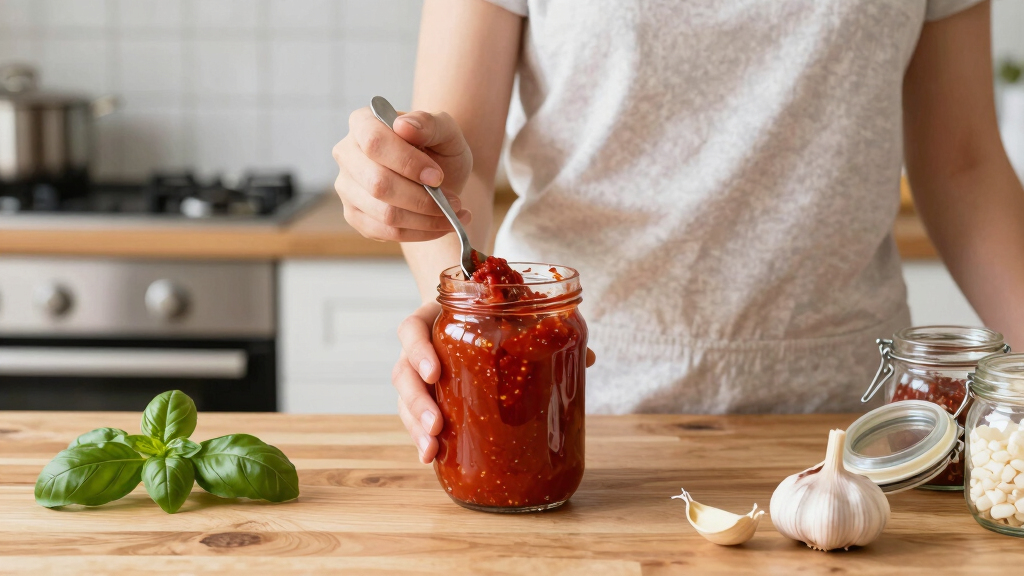
I compared each sauce by its tomato-forward character, expected balance of sweetness and acidity, seasoning style, texture, and ability to work in more than one recipe. I also examined ingredient and dietary positioning, including organic, fat-free, keto-focused, and onion- or garlic-sensitive options. A versatile sauce ranked higher when it could support pasta, lasagna, meatballs, and pizza without forcing the buyer to correct an overly sweet, thin, or heavily seasoned base. This placed Rao’s Homemade Marinara ahead of sauces with narrower flavor profiles.
Value was judged through package size, multipack commitment, and likely waste, rather than shelf price alone. I gave smaller jars credit for portion control and larger formats credit when they suit families or batch cooking. Premium sauces needed a clear reason to cost more, while dietary products were ranked by how well they serve their stated buyer rather than by treating every restriction as a universal benefit. I also separated formula quality from format, which is why Rao’s 15.5-ounce and 40-ounce options serve different households without automatically receiving different flavor rankings.
| jarred marinara sauce | Sauce type |
|---|---|
| 365 by Whole Foods Market Orga | Marinara pasta sauce |
| Victoria Marinara Sauce | Traditional marinara |
| Bertolli Pasta Sauce with Oliv | Spaghetti tomato sauce |
| Rao’s Homemade Marinara Sauce | Marinara |
| Carbone Pasta Sauce Marinara | Marinara pasta sauce |
| Bertolli Marinara Sauce with B | — |
| Michael’s of Brooklyn Marinara | — |
| Rao’s Homemade Sensitive Sauce | — |
| 365 by Whole Foods Market Orga | Marinara pasta sauce |
| Rao’s Marinara Sauce | All-purpose marinara |
| Yo Mama’s Foods Keto Marinara | — |
| Michael’s of Brooklyn Marinara | — |
| Prego Marinara Sauce | — |
| Bionaturae Organic Marinara Pa | — |
Factors to Consider When Choosing Best Jarred Marinara Sauces
I use five questions to narrow the field: how the sauce balances sweetness and acidity, what restrictions it must satisfy, which texture the recipe needs, how much the household will finish, and whether premium pricing will change the meal enough to matter. Those choices reveal more than a front-label claim or a low shelf price.
Match Sweetness and Acidity to the Meal
I start with flavor balance because marinara can range from bright and tart to mellow and sweet. A sweeter sauce can make a quick family dinner approachable, but it may become cloying in lasagna or chicken Parmesan, where cheese adds richness of its own. A sharper tomato profile cuts through meat and dairy, though it may need softening for children or acidity-sensitive diners. I favor balanced sauces for multipurpose use and more distinctive formulas for meals where the sauce is the main attraction. Buyers often mistake added herbs or garlic for deeper tomato flavor, even though heavy seasoning can limit later customization. If you regularly adjust sauce at the stove, choose a restrained base that leaves room for your own aromatics, chile, or cheese.
Read Dietary Labels as Separate Claims
I treat organic, keto-focused, sensitive, and fat-free as separate purchasing signals because none guarantees that another dietary need is covered. An organic label addresses sourcing standards, while keto positioning usually focuses more on carbohydrate and sugar choices. A sensitive formula may help shoppers avoiding onion or garlic, but buyers still need to check the label for their own allergens and restrictions. Fat-free sauce can fit a specific eating plan, yet removing oil may produce a leaner mouthfeel than a classic olive-oil-based marinara. I would not pay more for a claim that does not solve a real need in the household. The better approach is to identify the restriction that actually matters, then compare flavor, jar size, and price within that smaller group.
Choose Texture for the Recipe, Not the Jar
Texture changes how marinara behaves even when two sauces have similar seasoning. A thick sauce clings well to spaghetti and helps baked pasta avoid excess liquid, while a looser sauce spreads more easily across pizza dough or simmering meatballs. Chunkier tomato pieces can create a homemade-style appearance, but they may be less appealing to diners who prefer a smooth coating. I avoid assuming that thicker always means better, since a dense sauce can become pasty after time in the oven. For baked dishes, I choose a sauce that can handle evaporation without drying out; for quick pasta, I prioritize immediate coating power. Matching consistency to the cooking method prevents unnecessary thinning, reducing, or blending later.
Calculate Value by Usable Servings
I judge value by the amount actually eaten, not the lowest price per ounce. A 40-ounce jar can be economical for a family meal or batch cooking, but it can cost more in practice if half of it sits unused. Multipacks bring the same problem on a larger scale: a low unit cost matters only when the household wants that flavor repeatedly. Smaller jars make sense for one- or two-person households, occasional pasta nights, and buyers trying an unfamiliar sauce. I also account for how much doctoring a budget sauce needs, since extra olive oil, herbs, or tomato paste reduce the apparent savings. The best value is the right quantity with minimal waste, not automatically the largest container.
Know When Premium Sauce Earns Its Price
I pay closer attention to premium sauce when marinara will carry the meal, such as spaghetti with little more than Parmesan or a simple plate of meatballs. In a heavily layered lasagna, casserole, or dish with strong sausage, subtle differences between expensive and midpriced sauces can disappear. Premium pricing may still be worthwhile when a polished sauce removes the need for extra seasoning or simmering. It offers less value when the buyer routinely adds wine, cream, meat, or a large amount of cheese. A common mistake is reserving expensive sauce for elaborate recipes, even though simple preparations give its character more room to show. I would spend more for flavor clarity and convenience, then choose a dependable value sauce for dishes dominated by other ingredients.
Frequently Asked Questions
Is Rao’s Marinara Worth Paying More For?
Rao’s Homemade Marinara makes sense for buyers who want a balanced sauce that needs little adjustment. Its advantage over Prego and many budget options is versatility rather than sheer quantity or sweetness. I would pay the premium for simple pasta, meatballs, or dishes where tomato flavor remains prominent. For casseroles packed with meat and cheese, 365 Organic Marinara may deliver better practical value because the finer flavor differences can get buried. Rao’s is a strong default, but it is not the automatic choice for every budget or recipe.
Should I Buy a Large Jar or a Multipack?
I would buy a large jar when one recipe uses most of it or when batch cooking is already part of the plan. Rao’s 40-ounce format suits families better than its 15.5-ounce jar, while Bertolli’s six-packs demand a much longer commitment to one flavor. Multipacks can lower unit cost, but they also limit variety and occupy more storage space. Smaller formats are safer for households still learning whether they like a sauce’s sweetness, garlic level, or texture. The right format is the one that matches real consumption habits, not the one with the largest advertised savings.
Which Marinara Is Better for Shoppers Avoiding Onion or Garlic?
Rao’s Homemade Sensitive Sauce is the most targeted choice in this lineup for shoppers avoiding onion and garlic. I would choose it over a standard marinara rather than assuming a mild-tasting sauce lacks those ingredients. Sensitive formulas can taste less aromatic, so they may need compatible herbs or chile if the buyer wants more intensity. That tradeoff is worthwhile when ingredient avoidance matters more than a classic garlic-led profile. Anyone managing an allergy or medical restriction should still verify the current jar label, since recipes and manufacturing information can change.
Does Organic or Keto-Focused Marinara Automatically Taste Better?
No; organic and keto-focused labels describe particular production or nutritional priorities, not a guaranteed flavor advantage. Bionaturae and 365 Organic suit buyers who value organic sourcing, while Yo Mama’s targets shoppers watching carbohydrates. Either can be the right purchase without replacing the balanced everyday appeal of Rao’s or the richer positioning of Carbone. I compare sweetness, acidity, texture, and price after narrowing the field by dietary need. A specialized label earns its cost only when it supports the buyer’s goals without creating an unwanted flavor or texture compromise.
Which Sauce Style Works Best for Pizza, Pasta, and Baked Dishes?
I favor a balanced, moderately thick marinara for buyers who want one jar to cover several recipes. Pasta needs enough body to cling, pizza benefits from easy spreading, and baked dishes require a sauce that will not become watery or dry. Rao’s and Victoria are stronger all-purpose candidates than a sweeter sauce such as Prego or a more distinctive Burgundy-wine formula from Bertolli. A specialized sauce can still be better when the recipe calls for its particular character. If one jar must do everything, choose versatility over intensity and adjust the seasoning for each meal.
Conclusion
For most buyers, I recommend Rao’s Homemade Marinara as the best overall choice because it offers the strongest balance of flavor, texture, and recipe flexibility. 365 Organic Marinara is my best value pick, while Carbone Marinara is the premium option for simple meals where a richer sauce can justify the added cost. Beginners who want a familiar, forgiving profile should start with Prego Marinara; buyers seeking a less sweet all-purpose alternative can move to Victoria. For specific needs, I would choose Rao’s Sensitive for onion- and garlic-conscious shopping, Yo Mama’s for keto-focused households, Bionaturae for an organic premium option, and 365 Fat-Free for buyers explicitly limiting added fat. Families and batch cooks should favor the Rao’s 40-ounce jar, while smaller households gain more control from the 15.5-ounce format. My final choice would follow the meal: Rao’s for flexibility, 365 for economy, Carbone for a sauce-led dinner, and the specialized formulas only when their dietary benefit matches a real household need.
NFL season / tailgating Picks
team gear
As an affiliate, we earn on qualifying purchases.